By Tasha Mesina | Cindra Grooming Products | Professional Groomer
Every coat has a job.
Before you choose a shampoo, brush, or drying method, you need to understand what that coat was designed to do. A double coat regulates temperature. A wire coat protects from debris. A drop coat grows continuously. A smooth coat reflects skin health immediately.
Most long-term grooming damage happens when every coat is treated the same.
This guide breaks down the primary coat types and how grooming should change for each one. If you want the fast decision path for choosing the right wash, start here: How to choose dog shampoo by coat type.
Why Coat Type Must Come First
Coat function determines everything. How often you bathe. How you dry. Whether you condition. Even which tools are appropriate.
When grooming ignores coat structure, you see the consequences:
- Undercoat that will not release
- Texture that turns soft and cottony
- Guard hair breakage
- Chronic dry skin
- Dull or collapsed coats
Correct grooming supports what the coat was built to do. It does not fight it. If shedding is the problem you are trying to solve, read this next: Managing seasonal shedding in dogs.
Smooth Coated Dogs
Smooth coats sit close to the body. Some are single coated. Some carry a tight undercoat. Because the hair is short, skin condition shows immediately.
If the skin is dry, the coat looks dull. If the skin is balanced, the coat gleams.
These dogs are often over-bathed or scrubbed too aggressively in an attempt to control shedding. That usually makes things worse.
How to Groom Smooth Coats
- Use Cindra’s moisturizing wash to support skin hydration without leaving residue.
- Keep conditioner light and purposeful.
- Between baths, apply a small amount of Cindra Maxi Care to maintain skin comfort and natural shine.
A healthy smooth coat should feel clean and flexible, never tight or flaky.
Double Coated Dogs
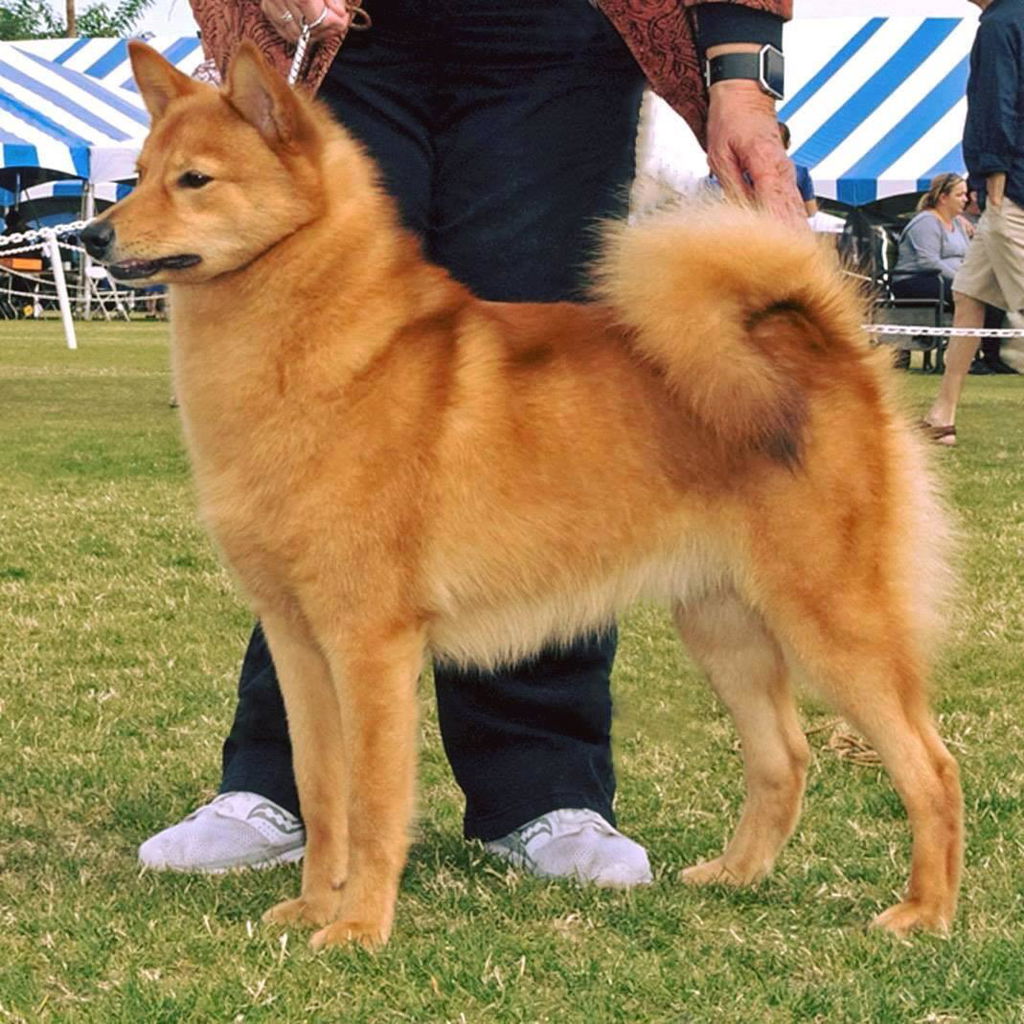
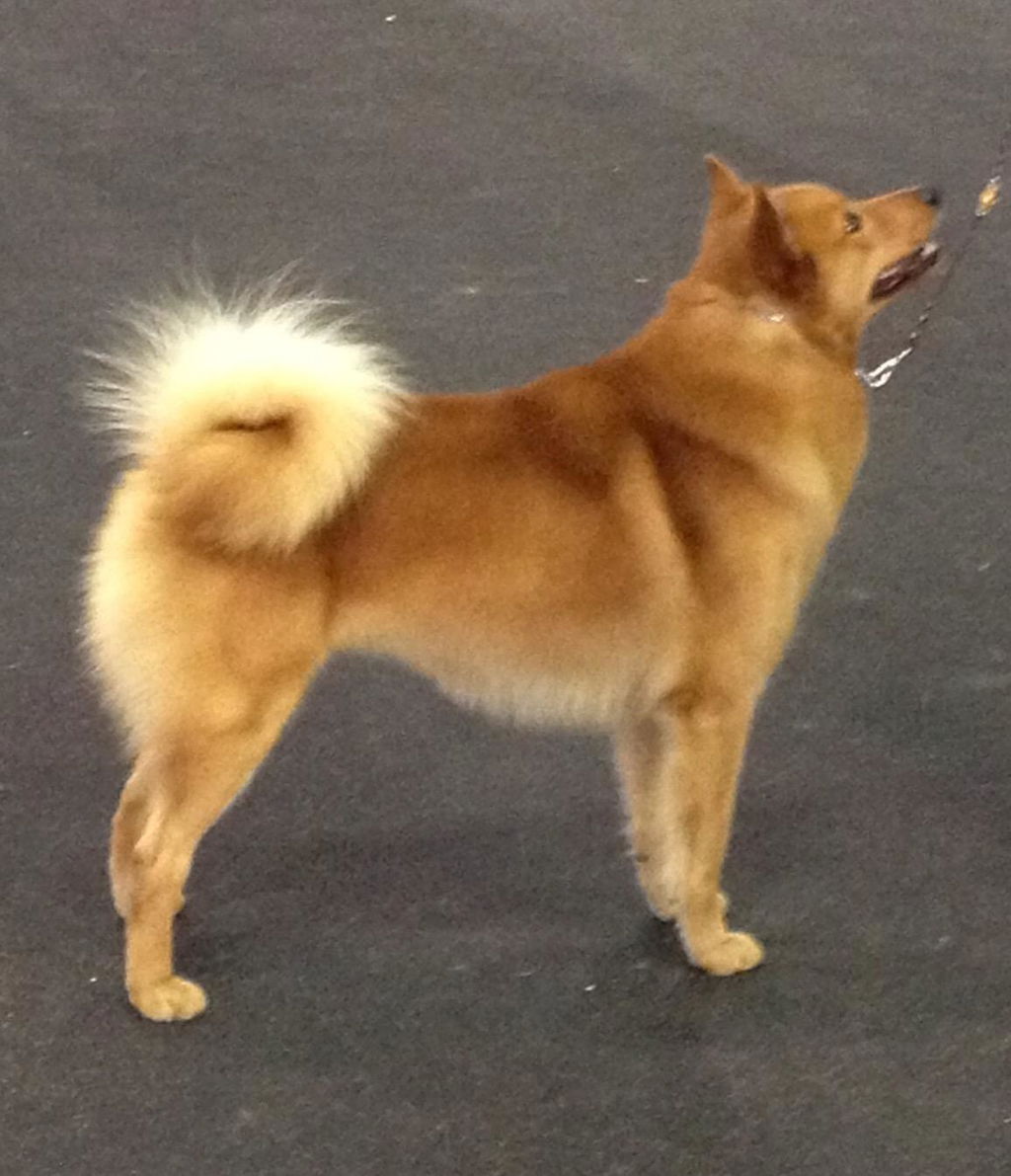
Double coats are engineered systems. A dense insulating undercoat sits beneath protective guard hair. Together they regulate temperature and shield the skin.
This coat should not be shaved for convenience. Cutting through the structure interferes with temperature control and can permanently change regrowth patterns.
The goal is controlled undercoat release, not hair removal. If you are building a routine for a heavy shedder, pair this guide with seasonal shedding management so your bathing and drying work together.
How to Groom Double Coats
- Begin with a thorough first lather using Cindra Cleansing Shampoo when buildup is present.
- Follow with a moisture-balanced wash using Cindra Moisturizing Shampoo to rebalance skin and coat.
- Use conditioner sparingly. Heavy products collapse coat and trap undercoat.
- Blow dry thoroughly to encourage natural release.
When done correctly, shedding becomes predictable instead of overwhelming.
Wire Coated Dogs
Wire coats are meant to be firm and weather resistant. Texture matters. Oil balance matters.
Softening this coat changes how it functions.
Frequent bathing or heavy conditioning strips natural resilience and leaves the coat flat.
How to Groom Wire Coats
- Bathe only when necessary using Cindra Texturizing Shampoo to clean without softening.
- Avoid routine conditioning.
- Rely more on dry grooming and hand maintenance than frequent washing.
A correct wire coat should feel crisp, not silky.
Drop Coats and Long Continuous Coats
Drop coats grow continuously. They do not shed out in cycles like double coats. Without routine maintenance, they mat.
This coat type benefits from controlled moisture and consistent slip. If you want the quick decision framework for choosing the right wash and conditioner, bookmark this coat-type shampoo guide.
How to Groom Drop Coats
- Bathe with hydration-support shampoo for dogs.
- Follow with Cindra Moisture Plus Conditioner for detangling and grooming control.
- Comb to the skin routinely to prevent mat formation.
- Dry completely before brushing.
A well-maintained drop coat moves freely and resists breakage.
Tools Matter as Much as Products
Clippers are not a shedding solution for double coats.
Deshedding tools should release undercoat, not cut guard hair.
Brushes should support coat behavior, not strip it.
Technique, patience, and proper drying do more for coat health than any shortcut ever will. If you are dealing with seasonal coat blowouts, build your routine around airflow and release: Managing seasonal shedding in dogs.
Puppy Coats and Coat Transitions
Puppy coat is softer and less structured than adult coat. During transition, texture can change dramatically.
- Focus on positive handling early.
- Use gentle cleansing and light conditioning.
- Avoid aggressive correction until adult structure is established.
Respecting coat development prevents long-term texture damage.
The Cindra Approach
Cindra formulas were built around coat function. Not trends. Not fragrance. Not temporary shine.
Each product in the system has a purpose:
- Clean without stripping
- Hydrate without collapsing
- Support texture where needed
- Preserve structure long term
When you groom with the coat instead of against it, results last longer between baths and the coat stays true to its design.
Updated 2/2026

About the Author
Tasha Mesina is the owner of Cindra Grooming Products and a professional groomer with two decades of hands-on experience. She revived Cindra to bring back coat-safe formulas designed to respect coat structure, support skin balance, and deliver results that hold up between baths.
How to choose dog shampoo by coat type | Managing seasonal shedding in dogs | Ingredient transparency in grooming