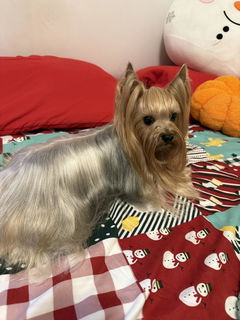
Dry skin and dull coats are some of the most common issues dog owners deal with—but most solutions actually make the problem worse over time.
If your dog’s coat feels brittle, looks lifeless, or seems harder to manage after bathing, the issue usually isn’t a lack of moisture. It’s how that moisture is being added.
The goal isn’t to make the coat soft. The goal is to restore balance while maintaining structure.
What Causes Dry Skin and Dull Coats in Dogs?
Dry coats don’t just happen randomly. In most cases, they’re caused by one of the following:
- Over-washing with harsh or improperly diluted shampoo
- Using products that strip natural oils from the coat
- Environmental factors like dry air or seasonal changes
- Product buildup that prevents proper hydration
If the coat isn’t clean, it can’t absorb moisture properly. That’s why starting with the right foundation matters.
Why Most “Moisturizing” Products Fail
Many dog shampoos and conditioners focus on immediate softness. They coat the hair shaft with heavy ingredients that create slip—but that softness is temporary.
Over time, this leads to:
- Flat, lifeless coats
- Increased matting and tangling
- Improper shedding in double coats
- Buildup that blocks real hydration
Soft does not always mean healthy.
What Proper Hydration Should Do
A well-balanced moisturizing routine should:
- Support the skin without disrupting its natural barrier
- Add hydration without coating the coat
- Improve manageability without flattening structure
- Keep the coat clean, light, and functional
That’s the difference between cosmetic softness and true coat health.
The Right Way to Moisturize a Dog’s Coat
If you’re dealing with dry skin or a dull coat, your routine matters more than the product alone.
Step 1: Start Clean
If there’s buildup, begin with a reset using a
cleansing shampoo.
Step 2: Use a Properly Diluted Moisturizing Shampoo
A high-quality
moisturizing dog shampoo
should hydrate without leaving residue.
Step 3: Condition Only Where Needed
Apply a
moisturizing conditioner
to friction areas like behind the ears, tail, and feathering—not the entire coat.
Step 4: Maintain Between Baths
Use a light leave-in like
Maxi Care
to prevent dryness and reduce breakage between grooming sessions.
When Moisture Becomes a Problem
Too much moisture—or the wrong kind—can cause just as many issues as not enough.
Signs of over-conditioning include:
- Coat feels too soft or limp
- Loss of volume or structure
- Increased matting
- Greasy or coated texture
If you see these signs, switch to a
texturizing shampoo
to restore balance.
Choosing the Best Dog Shampoo for Dry Skin
The best dog shampoo for dry skin isn’t the one that makes the coat feel the softest—it’s the one that supports the skin while keeping the coat functional.
If you’re unsure what your dog needs, start here:
how to choose dog shampoo by coat type.
The Cindra Approach to Moisture
Moisture should support the coat—not change it.
Cindra’s moisturizing collection is designed to restore balance, improve manageability, and support long-term coat health—without buildup, heaviness, or loss of structure.
Because a healthy coat doesn’t just feel better—it performs better.