By Tasha Mesina, Cindra Grooming Products
Elegant, intelligent, and deeply loyal, the Belgian Sheepdog (Groenendael) is built for partnership. This profile covers temperament, care needs, grooming, what to expect in day-to-day life, and how to find a breeder who prioritizes stability and health.

At a Glance
Coat: long, straight double coat with dense undercoat. Energy level: high, often steadier at home than a Malinois. Shedding: moderate, heavier seasonally. Grooming difficulty: moderate — line brushing and full drying matter. Best fit: active homes that enjoy training, routine, and a dog that stays close. Temperament: responsive, loyal, sensitive, watchful.
History
The Belgian Sheepdog is the black, long-coated Belgian shepherd variety known internationally as the Groenendael. In Belgium, the Belgian shepherd types were developed as practical, responsive dogs for real work. These were dogs selected for endurance, biddability, and the ability to stay connected to a handler while moving livestock and managing day-to-day farm demands.
While the Belgian varieties share roots, different strengths were emphasized in different lines. The Malinois became widely recognized for fast-paced intensity in demanding performance roles. The Belgian Sheepdog, while still very capable, is often experienced as a touch more measured in everyday life when raised and managed well. That doesn't mean low-drive — it means many individuals learn to settle and watch rather than live in constant acceleration.
Modern Belgian Sheepdogs still reflect purposeful selection. Understanding that working heritage helps owners set realistic expectations around training, daily structure, social development, and long-term care.
Personality and Home Fit
The Belgian Sheepdog is not a casual companion. They are intelligent, sensitive, and deeply people-oriented. In the right home, that awareness becomes a stable, connected partner that checks in naturally. In the wrong environment, the same sensitivity can show up as worry, over-alertness, or friction behaviors that look like “too much dog.”
Best matches: owners who enjoy training as a normal part of daily life; homes that value structure and teach an off-switch intentionally; people who want a dog that stays close and works as a partner.
Common surprises: they can be sensitive to harsh corrections and inconsistent routines; many mature into discerning adults that are more selective socially; they don't thrive with long, unstructured downtime.
Exercise and Enrichment
Most Belgian Sheepdogs need a blend of physical output and mental workload. Long walks alone rarely solve it. You want a routine that includes problem-solving, impulse control, and skill repetition, then a clear downshift at home.
Daily baseline ideas: short training sessions, 10 to 15 minutes, multiple times daily; scent work games and hidden-toy searches; conditioning work like hill walks, structured retrieves, and controlled play; sport foundations such as heeling patterns, positions, targeting, and calm engagement.
A well-balanced Sheepdog usually has a routine that trains the brain and the body, plus a clear off-switch skill.
Grooming a Belgian Sheepdog
The Sheepdog coat is long, straight, and abundant, with a very dense undercoat. The goal is clean skin, controlled shedding, and a coat that lays correctly and feels correct to the hand. Heavy residue, over-conditioning, and incomplete drying are the fastest ways to make this coat look puffy, dull, or “stuck.”
For the full routine — brushing schedule, bathing frequency, and the complete Cindra product lineup for this coat — see Grooming the Belgian Sheepdog.
Training Notes
With this breed, training is the foundation that keeps sensitivity usable. Prioritize clarity, short sessions, and consistent rules. A Sheepdog that understands how to earn reinforcement calmly is easier to live with than one that lives in constant alertness.
Build impulse control early through place work, positions, and release cues. Teach off-switch skills on purpose, not by accident. Socialize thoughtfully — exposure without flooding.
For Belgian Sheepdog owners, a trainer who prioritizes engagement, clarity, and calm control can help channel natural alertness into reliable responses. Robert Cabral is one resource worth exploring.
Health and Longevity
Keep health guidance conservative. Choose breeders who prioritize stable temperament and appropriate health testing. Maintain lean body condition, build athletic conditioning slowly, and discuss sport-related care with your veterinarian.
Ask breeders about health testing for hips, elbows, eyes, thyroid, and cardiac screening. Discuss breed-appropriate risks with your veterinarian, including epilepsy and eye disease. Support joints with appropriate conditioning and weight management, and use routine wellness exams to catch small issues early.
How to Find a Breeder
With Belgian Sheepdogs, the breeder you choose matters. Stable nerves and an off-switch come from intentional selection. A good breeder can explain their goals, their dogs, and how they match puppies to homes.
Start with the right sources: parent club and regional breed clubs, starting with the Belgian Sheepdog Club of America Breeders Directory; venues where adult dogs are evaluated — conformation, obedience, herding, rally, agility, scent work; events where you can meet adult dogs and observe real temperament; reputable directories, then verify everything directly with the breeder.
What a good breeder can explain clearly: why the pairing was chosen and what they expect from the litter; how they evaluate puppies, including confidence and recovery; how they match puppies to homes instead of selling first-come, first-served; what happens if placement isn't working, including a return policy; what daily life looks like with dogs from their lines, including challenges.
Questions that get real answers: What health testing is performed on both parents, and can I see proof? How do the parents handle environmental stress and unfamiliar people? What traits show up most often in your dogs — confidence, sensitivity, noise stability? What early puppy work do you do before they go home — handling, surfaces, crate starts?
Red flags that should slow you down: pressure to pay immediately or no written contract; vague answers about health testing, or claims that testing is unnecessary; breeding for trendy labels over temperament and function; a breeder who can't describe the parents clearly or can't show adult examples.
Best real-world tip: ask to meet an adult dog from the breeder's program that lives as a normal house dog, not just one that performs on cue. Watch how the dog settles, relaxes, and handles everyday life — that off-switch matters. If a breeder can't show stable, well-adjusted adult examples, you're taking a much bigger gamble than most people realize.
How I Approach Coat Care
Long coats can look “finished” when they're simply soft, but Belgian coats have to behave under the hand. When a Sheepdog coat looks dull, owners often chase stronger products. The better approach is usually balance: cleanse thoroughly when needed, moisturize appropriately, and rinse and dry correctly every time.
In my grooming world, the goal is not an over-soft coat. The goal is a clean, healthy coat that lays correctly, separates, feels correct to the hand, and stays comfortable through training, travel, and seasonal shedding.
Frequently Asked Questions
Do Belgian Sheepdogs shed a lot? Yes. They shed moderately year-round and more heavily during seasonal coat changes, especially in spring and fall. Consistent line brushing and correct bath and dry technique help manage shedding without stripping. For more, read Managing Seasonal Shedding in Dogs.
How often should I bathe a Belgian Sheepdog? Many pet homes do well with baths every 4 to 6 weeks. Sport and show dogs may bathe more often if the routine supports moisture balance and the coat is dried fully, including the undercoat through the mane, breeches, and underline. See the full grooming guide for product-by-product recommendations.
What shampoo is best for a long double coat? Look for balanced cleansing that removes dirt and dander without leaving residue. Use deeper cleansing when there's buildup, and condition where it helps, not everywhere. If you're comparing types, start with How to Choose Dog Shampoo by Coat Type.
Is this breed a good first dog? For most people, no. Belgian Sheepdogs typically do best with owners who enjoy daily training, structure, and consistent mental and physical work. They're sensitive and do best with clear expectations.
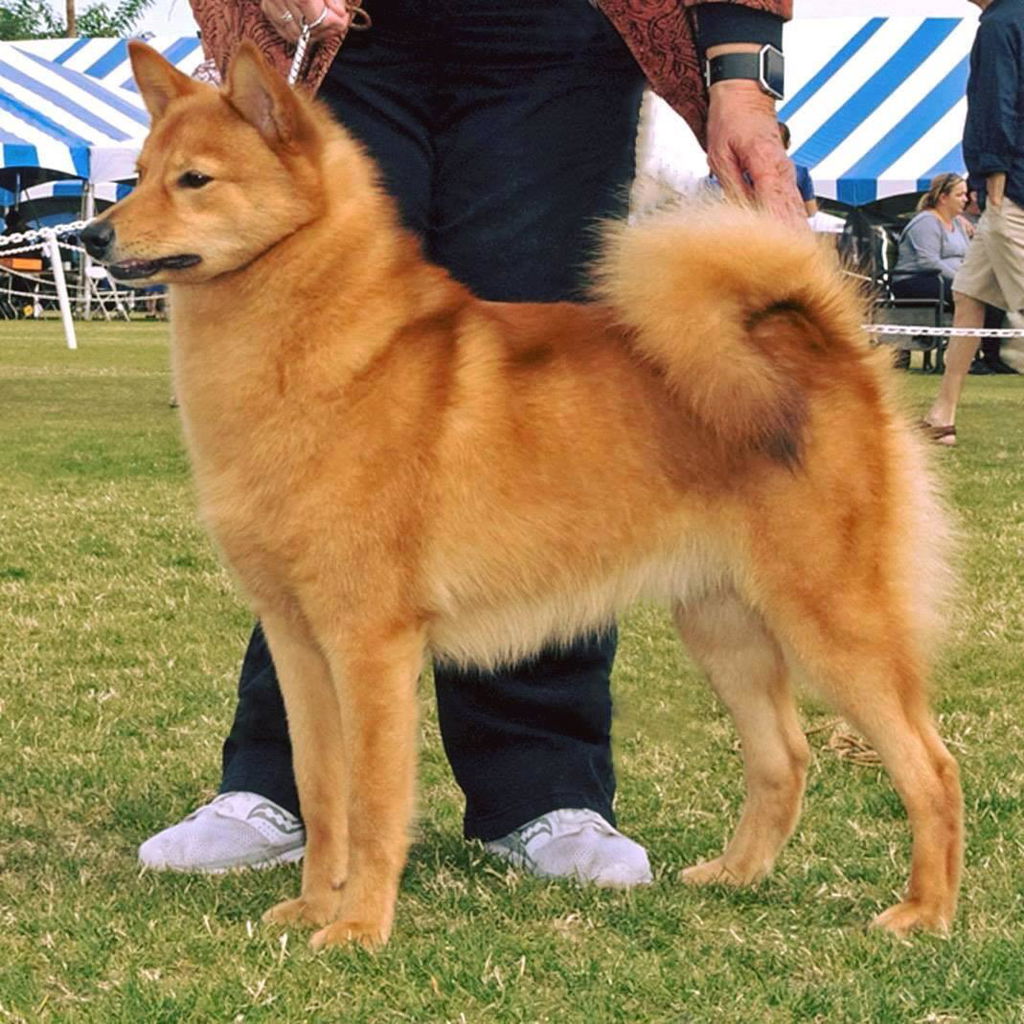
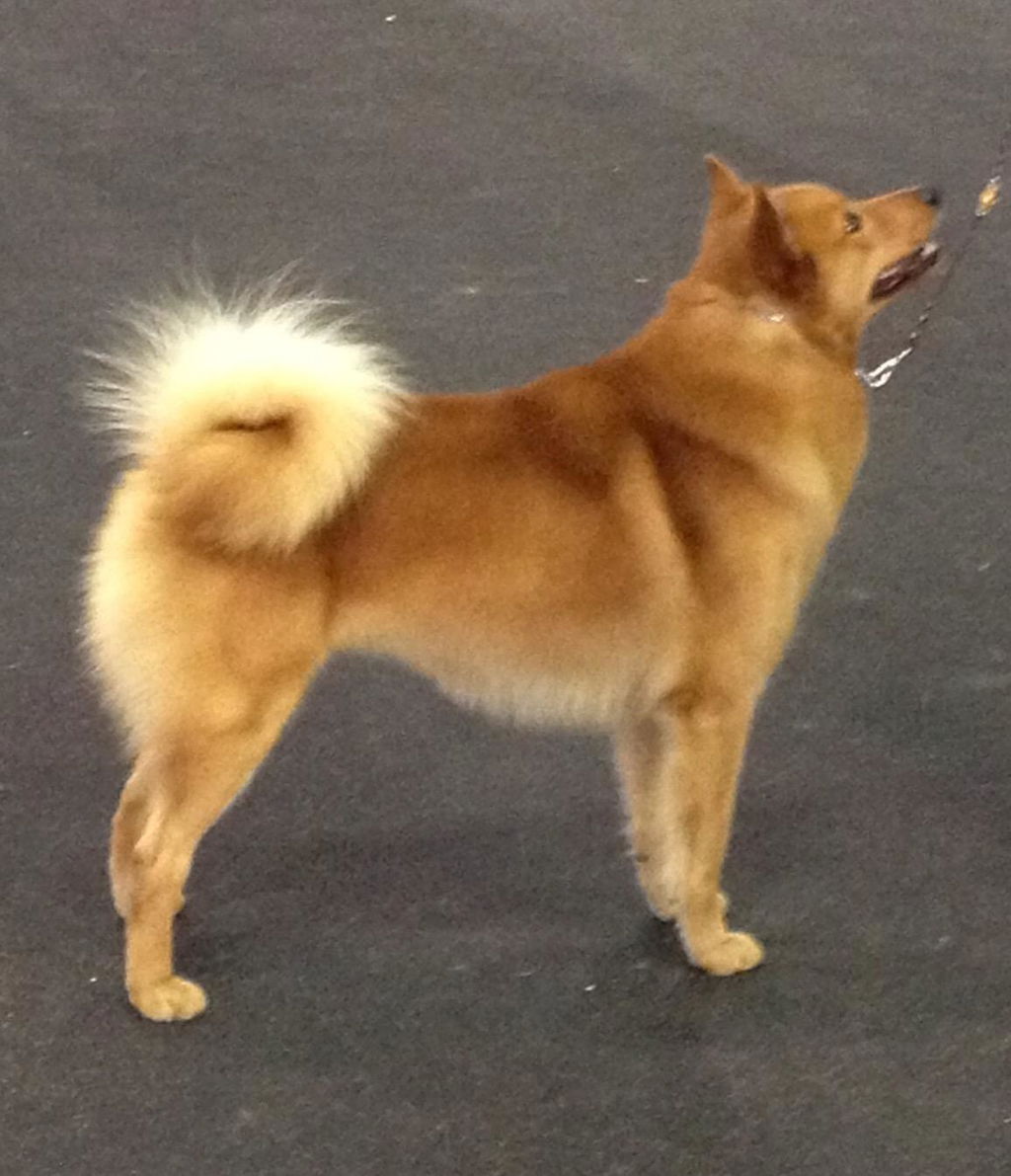
Photo credits: Belgian Sheepdog outdoor photo, Janet Delight. Herding image, Diane Phelps. Agility and herding images, Shelly Brosnan.

Written by Tasha Mesina
Professional groomer and owner of Cindra Grooming Products, and a Belgian Malinois breeder under Element Belgians. Her work centers on coat health, correct coat behavior, and preserving functional structure in working and show dogs.