By Tasha Mesina, Cindra Grooming Products
A good leave-in conditioner does two jobs at once: it protects the coat between full baths, and it makes the coat easier to work with when you do get the brush out. Not every leave-in is built for both. For the full picture of where a leave-in fits versus other conditioner types, see our complete guide to dog conditioner.
What to Look For
- Lightweight formula — a leave-in that weighs the coat down defeats the purpose, especially on show coats where volume matters.
- Spray-and-back-brush application — this is what actually distributes the product through the undercoat instead of just sitting on top.
- Non-greasy finish — you should be able to use it daily without buildup.
- Detangling ability — the best leave-ins double as a detangler, so you're not reaching for a second product mid-groom.
Our Pick: Maxi Care
Maxi Care is our leave-in spray conditioner, built for long, double, or silky coats that dry out or tangle easily. It sprays directly into the coat for back-brushing, which is exactly what builds undercoat and fullness before a show — and it works just as well as a between-bath refresh on a pet coat.
Because it's lightweight and non-greasy, you can use it 3–4 times a week without buildup, and it doubles as a detangler when you run into a mat. A dehydrated, brittle-feeling coat is often the first sign a leave-in step is missing — see Signs Your Dog's Coat Is Dehydrated for what to look for.
How a Leave-In Conditioner Actually Works
To understand why a leave-in matters, it helps to understand what a bath does to the coat in the first place. Shampoo cleans by lifting dirt, oil, and buildup off the hair shaft, and in the process it also lifts the outer layer of the cuticle — the overlapping scale-like layer that normally lies flat and gives hair its smoothness. A rough, raised cuticle is what makes a freshly washed coat feel dry, catch on a brush, or tangle more easily than it did before the bath.
A leave-in conditioner works by coating the hair shaft in a thin, flexible film that smooths that cuticle back down and holds a small amount of moisture against it. Unlike a rinse-out conditioner, which does this job intensely but temporarily during the bath, a leave-in keeps doing it continuously between baths, which is why it matters most for coats that go a week or more between washes.
Choosing a Leave-In by Coat Type
Not every coat needs the same amount of leave-in support, and using too much or too little for the coat type in front of you is one of the most common mistakes I see.
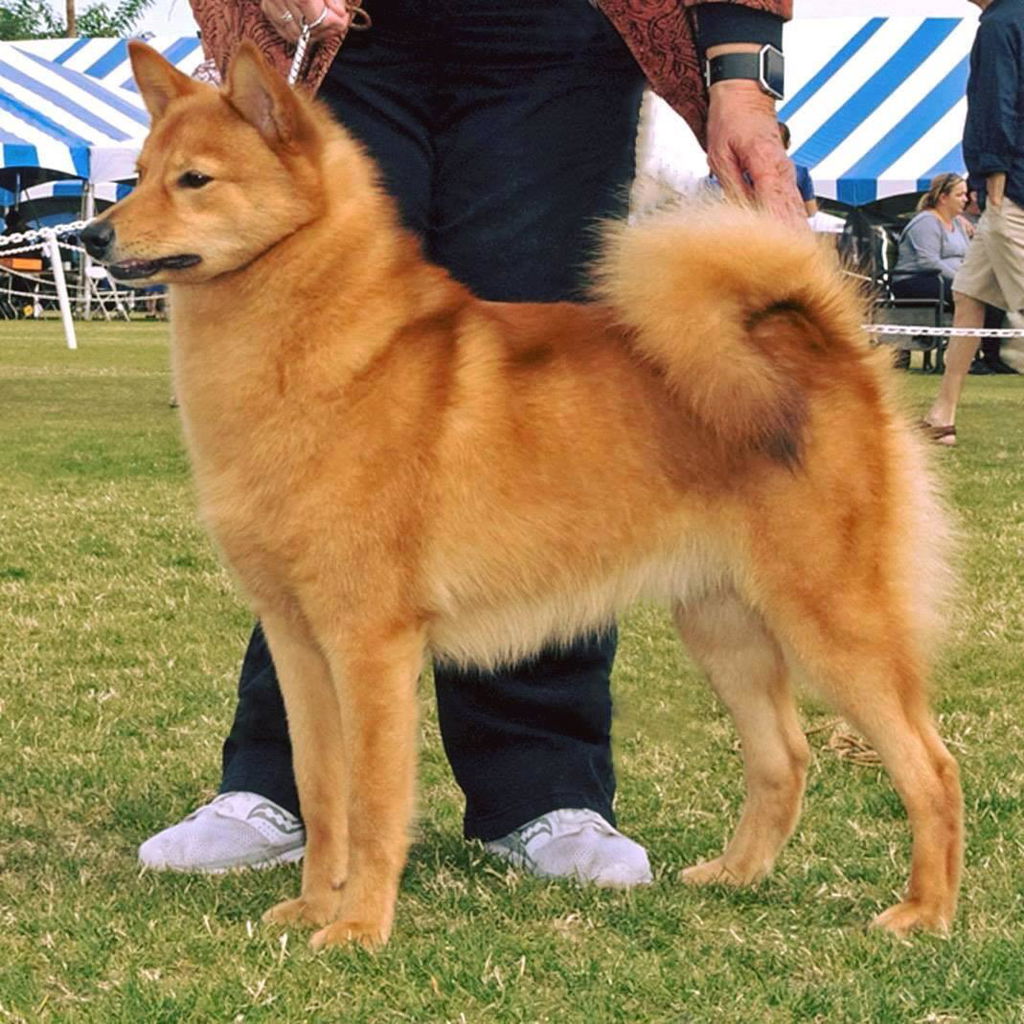
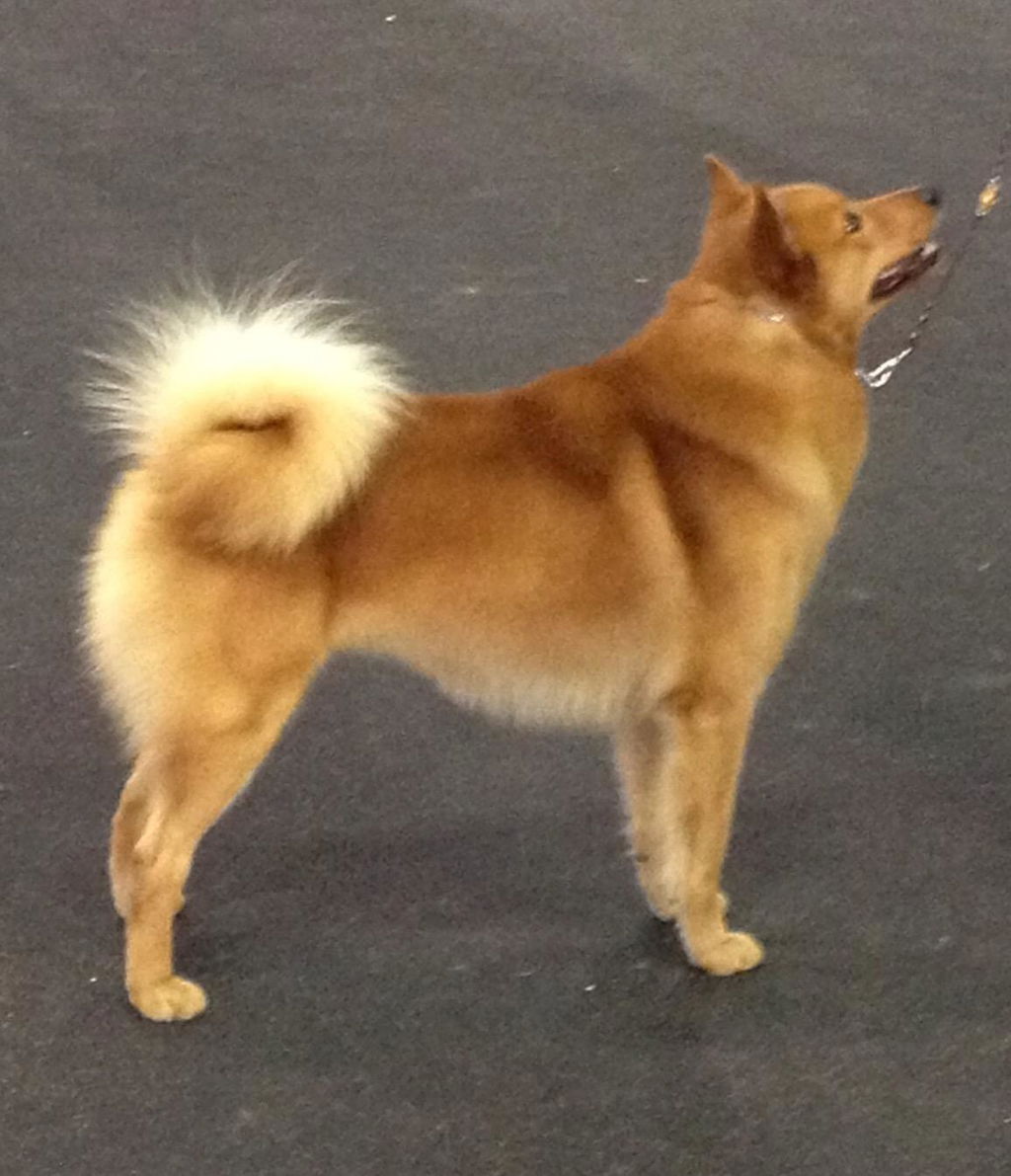
Double coats (Shelties, Collies, Corgis, Belgian breeds) benefit most from a light, even misting worked all the way down to the undercoat with back-brushing. The goal here isn't softness — it's separation, so the dense undercoat doesn't compact and mat against the skin.
Drop coats (Cocker Spaniels, Maltese, Shih Tzus) usually need slightly heavier, more frequent application because the hair is longer and has more surface area exposed to friction from movement and lying down.
Wire coats (Terriers, Wirehaired Pointers) need a much lighter hand. Too much leave-in can soften the harsh texture that wire coats are supposed to have, which works against the coat's natural function. A quick, targeted spray on tangle-prone areas is usually enough.
Curly and doodle coats need a leave-in that penetrates past the topcoat rather than sitting on the surface, since these coats mat close to the skin. See our dedicated guide on this: Best Detangler for Doodles.
Short, smooth coats rarely need a leave-in at all, and applying one regularly can leave them looking greasy rather than glossy.
Ingredients to Look For and Avoid
Reading the label on a leave-in conditioner tells you almost as much as trying it. Look for humectants and emollients like glycerin, which draw and hold moisture in the hair shaft, along with lightweight oils — almond oil and rice bran oil are common choices that add slip without heaviness. Cetrimonium chloride and similar conditioning agents help smooth the cuticle and reduce static.
What you want to avoid is a formula loaded with heavy silicones or waxes as the primary ingredient. These can create an immediate, impressive-feeling slip the first time you use them, but they build up over repeated applications, especially on coats that aren't bathed frequently, and that buildup is what eventually causes the dull, flat, greasy look owners often blame on "bad genetics" or "just how the coat is." A well-formulated leave-in should rinse away cleanly at the next bath rather than requiring a clarifying shampoo to remove it.
Seasonal Considerations
Leave-in needs shift with the seasons more than most owners expect. In winter, indoor heating pulls moisture out of the air and, in turn, out of the coat — this is when static and brittleness show up most, and when leave-in frequency often needs to increase. In summer, especially in humid climates, coats can actually hold too much moisture, and a heavier leave-in can leave the coat feeling damp and prone to matting rather than protected from it. Adjusting the amount and frequency with the season, rather than sticking to a fixed schedule year-round, gets better results than a one-size-fits-all routine.
Common Mistakes with Leave-In Conditioner
The most frequent mistake is spraying only the surface of the coat and skipping the back-brushing step. Without back-brushing, the product sits on the outer guard hairs and never reaches the undercoat, which is exactly where matting starts on a double coat. The second most common mistake is over-application — more product doesn't mean more protection, and a saturated coat takes longer to dry, feels heavier, and can attract more dirt. The third is treating a leave-in as a substitute for regular brushing rather than a tool that makes brushing more effective; no spray replaces a consistent brushing schedule.
Leave-In Conditioner for Show Dogs vs. Pets
Show coat prep and everyday pet maintenance ask different things of the same product. For the ring, a leave-in is typically applied the morning of and worked in section by section with back-brushing specifically to build volume and fullness — the goal is presentation, and the product is often brushed out again before judging to avoid a product-heavy feel under the judge's hands. For a pet coat, the goal is simpler: keep the coat comfortable, tangle-free, and manageable between baths, which usually means a lighter, less frequent application focused on problem areas rather than the whole coat.
When to Reach for Something Else
If your dog has ongoing dry or itchy skin rather than just a dry-feeling coat, a leave-in alone isn't a full solution — pair it with a dedicated skin-health routine.
Frequently Asked Questions
How often should I use a leave-in conditioner on my dog?
Most dog-formulated leave-ins, including Maxi Care, are safe for use 3–4 times a week without buildup. Show dogs often get a light application the day of, sprayed in and back-brushed.
Can a leave-in conditioner replace a rinse-out conditioner?
No — they solve different problems. A leave-in is for daily maintenance between baths; a rinse-out is for deeper repair during the bath itself. Many double-coated dogs use both.
Does a leave-in conditioner need to be brushed out?
Not usually — that's what makes it a leave-in rather than a rinse-out. Back-brushing while applying it is enough to distribute the product; there's no need to brush it out afterward.

About the Author
Tasha Mesina is the owner of Cindra Grooming Products, a Certified Master Groomer and longtime dog professional with years of hands-on experience working with coated breeds and show dogs.
Learn more at Cindra Grooming Products.