By Tasha Mesina, Cindra Grooming Products
How to Actually Pick the Right Dog Shampoo
If you've already read what makes a dog shampoo "the best", you know there's no single universal answer. This is the practical next step — how to actually pick, based on what your dog needs right now.
Most people choose by scent or packaging and end up disappointed three washes later. The better approach starts with what your dog's coat is doing, not what the label promises.
Step 1: Name the Actual Problem
Before you look at a bottle, figure out which of these is really going on. Greasy coat, buildup, strong odor, or a coat that goes flat after baths means you need a deep cleansing reset. Dry, dull coat that tangles or feels brittle means you need moisture and the right conditioner. Soft coat that's lost its body needs texture support, not more moisture. Itchy after baths is usually about rinse time and dilution, not the shampoo itself. Naming the real problem first prevents the most common mistake — buying a new bottle when the fix was actually technique.
Step 2: Match the Problem to a Shampoo Category
For everyday bathing and balanced coat health, a moisturizing shampoo like Cindra Moisturizing Dog Shampoo cleans without stripping and supports hydration and shine. For greasy coats, buildup, or a coat that goes flat after baths, a deep cleansing shampoo like Cleansing Shampoo resets the coat without harsh stripping. For a soft coat that needs body or correct texture, Texturizing Shampoo adds structure and separation. For dry, dull, brittle coats, pair a moisturizing shampoo with Moisture Plus Conditioner. For volume and lift after drying, reach for a coat spray like Super Coat — it's a finishing step, not a shampoo.
Step 3: Check It Against Coat Type
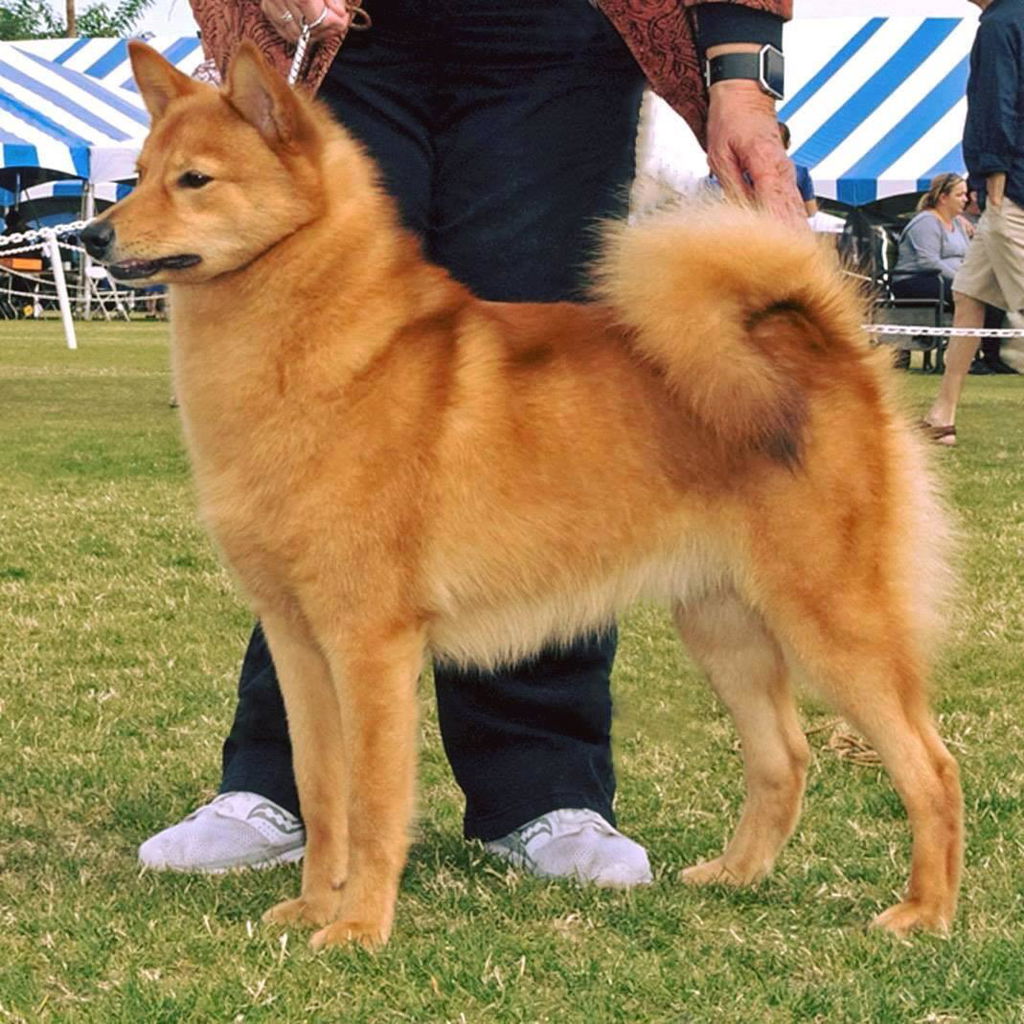
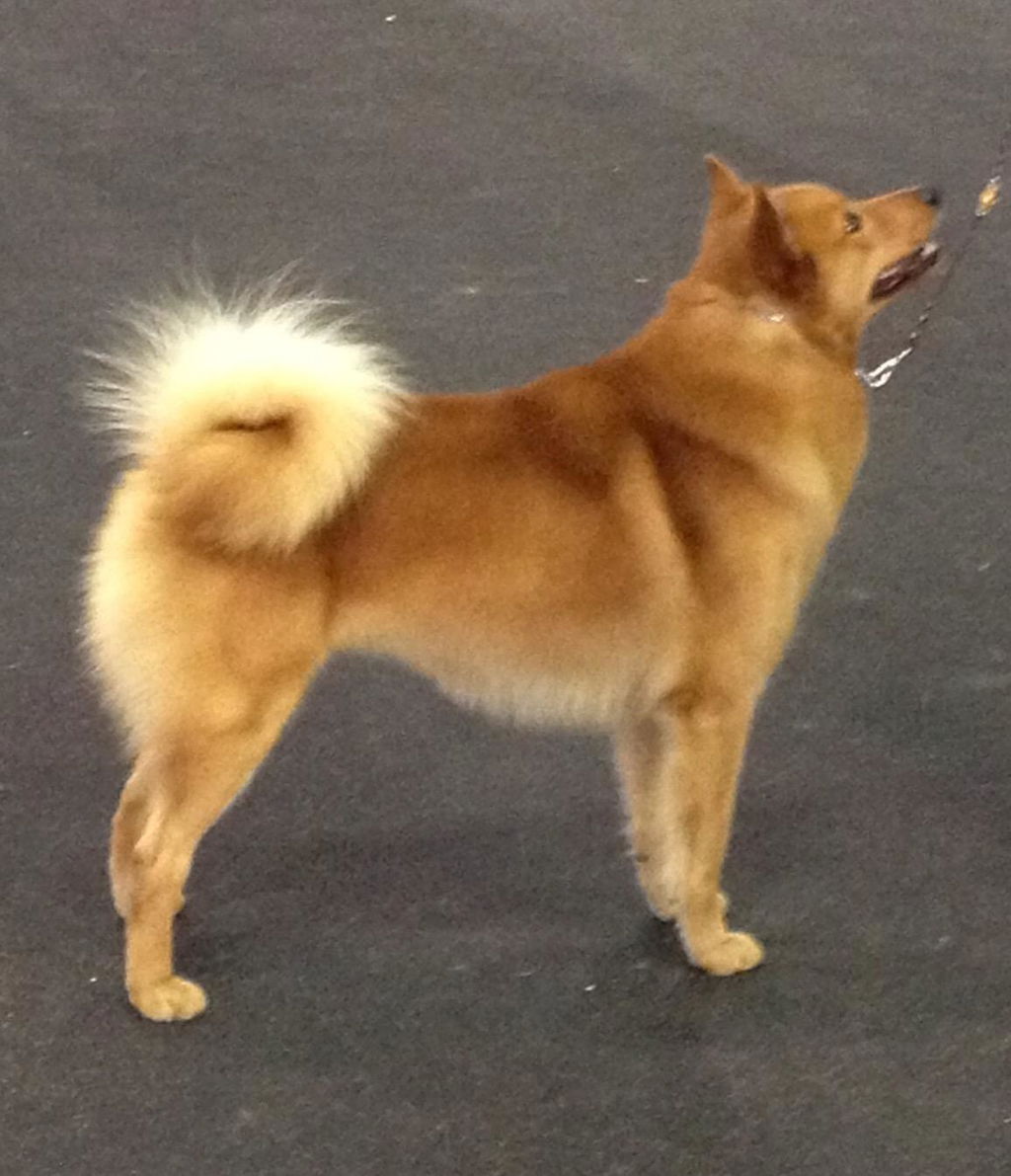
The problem tells you the category. Coat type tells you whether that category needs adjusting. Double coats need a clean, breathable finish — over-conditioning collapses the structure that keeps shedding manageable. Drop coats need manageability without residue, since tangles are the bigger risk than greasiness. Texture coats (wire, harsh-coated breeds) need structure and separation above all — softness works against them.
Step 4: Use Cleansing Shampoo as a Tool, Not a Default
A deep cleansing shampoo earns its place when there's genuine buildup, oil, show-product residue, or heavy dirt. Most dogs don't need that level of cleanse every bath — using it as the everyday default is one of the more common mistakes people make once they've found something that "works."
Step 5: Rinsing Is Part of the Decision Too
Even the right shampoo can cause irritation if it isn't rinsed out completely. Rinse longer than feels necessary — this single habit fixes more "my dog's shampoo doesn't work" complaints than switching products ever does. Related reading: How to Choose Dog Shampoo by Coat Type and Managing Seasonal Shedding in Dogs.
Common Questions
What's the best shampoo for sensitive skin? A gentle, clean-rinsing shampoo that supports moisture balance and avoids harsh degreasers and heavy fragrance — see a vet if irritation continues. Can I use human shampoo on my dog? No — it's formulated for a different skin pH and can disrupt the skin barrier. Do I need conditioner after shampoo? Many coats benefit, but the key is using the right amount and rinsing thoroughly.
Bottom Line
Picking the right dog shampoo isn't about finding the "best" bottle on the shelf — name the actual problem, match it to a category, check that against coat type, and don't skip the rinse. Get those four steps right and the brand matters a lot less than people think.

Written by Tasha Mesina
Owner of Cindra Grooming Products, lifelong dog professional involved in breeding, training, and grooming coated working dogs.