Double-Coated Dogs Are Built to Work — Not Just Look Good
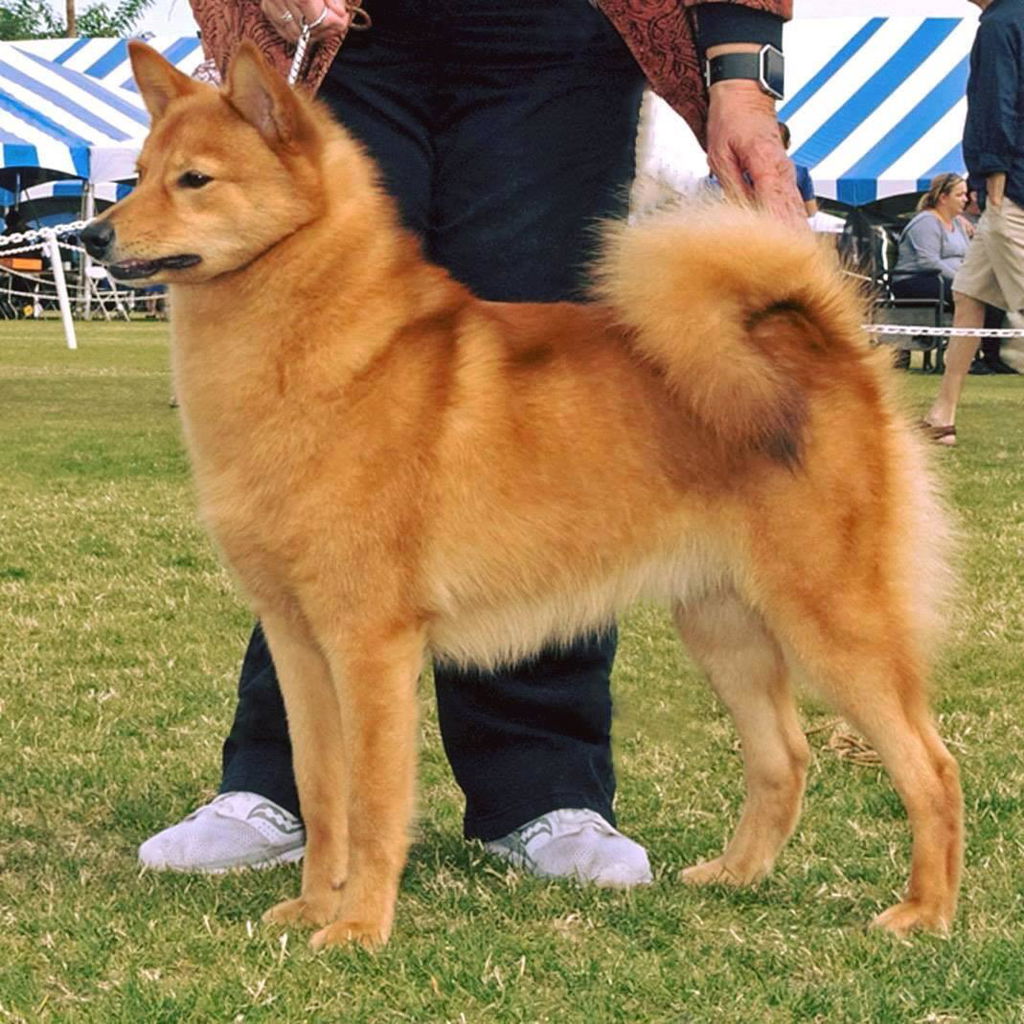
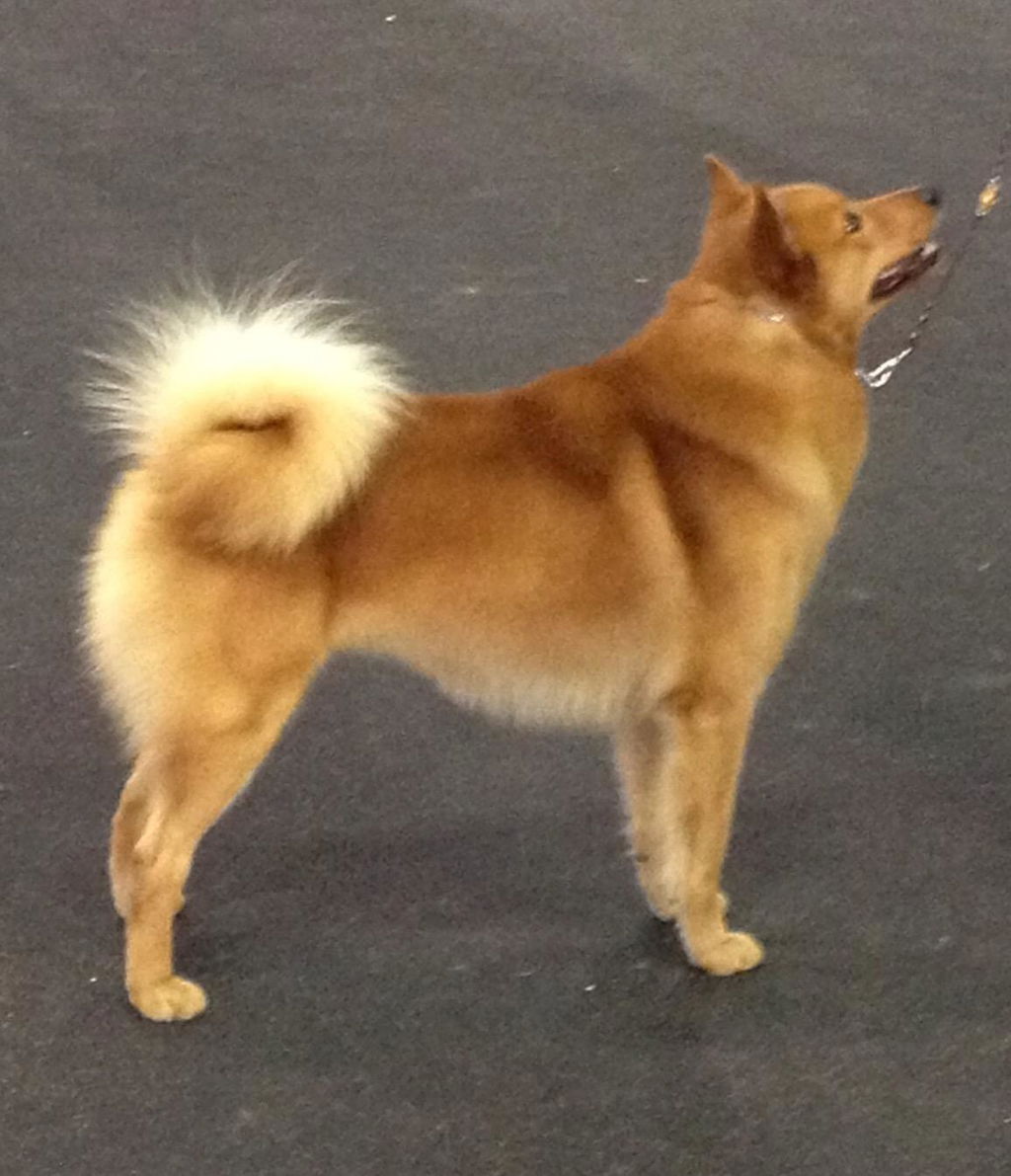
I've had more than one client bring in a double-coated dog asking for a "fluffier" look, and I always give them the same answer: that coat isn't there to be fluffy. It's a two-layer system built for protection and temperature regulation, and for working and herding dogs like the Rottweiler or the Chinook, how that coat performs directly affects comfort, stamina, and how fast the dog recovers after time in the field.
The outer guard coat is longer and coarser — it repels moisture, blocks debris, and shields skin from sun. Underneath, the undercoat is dense and insulating, trapping air close to the body so the dog stays warm in cold and stays cool when it's hot. Groom in a way that disrupts either layer, and you're interfering with something the coat is actively doing for the dog, not just how it looks.
If you want the coat-first framework that ties shampoo choice to coat behavior, start here: how to choose dog shampoo by coat type.
Shedding Is the Coat Doing Its Job
Seasonal shedding isn't a malfunction. Daylight and temperature shifts signal the undercoat to release so it can reset for the season — that "blowing coat" phase is just the coat staying healthy, not something to fight.
Where it goes wrong is when loose undercoat gets trapped instead of releasing. Excess oil, product residue, heavy conditioning, inconsistent brushing — any of these can stop old coat from coming out the way it should. When that happens, airflow drops, heat gets retained, and what should be a seasonal shed turns into a constant one. If your dog's turned into an all-year shedder, this article walks through the why.

The Two Mistakes I See Most
Shaving is the big one. It interferes with temperature regulation and can permanently change how the coat grows back, often leaving uneven texture or a coat that no longer protects the dog the way it used to. Over-conditioning is the quieter mistake — conditioner has its place, but too much of it collapses the guard coat and throws off the natural balance between the layers. For working and herding dogs especially, structure matters more than softness ever will.
Cleanse to Restore Balance, Not to Strip
A proper cleanse removes excess oil, dirt, and buildup so the undercoat can release on its own and brushing actually does something. For coats that feel greasy or congested, I reach for Cindra Cleansing Shampoo — it resets the coat without damaging the structure underneath.
Once it's clean, texture is the next thing I'm checking. A double coat should feel resilient, not soft or limp. Texturizing shampoo reinforces that structure and improves lift without leaving anything behind.
Finishing Without Adding Weight
After bathing and drying, whatever you finish with should enhance the coat's performance, not mask a problem underneath. Used sparingly, Cindra Super Coat adds lift and control without residue — especially useful around feathering and high-friction areas where structure matters more than softness.
Brushing still does most of the actual work, though. Bathing loosens the coat and resets the skin, but it never replaces regular brushing — that's what removes loose undercoat before it mats or traps heat, and distributes oil evenly through the coat. For working and herding dogs, that combination is what keeps the coat performing through changing seasons and demanding conditions.
A healthy double coat feels clean and balanced, not greasy or weighed down. Get the routine aligned with how the coat's designed to work, and shedding gets easier to manage, skin stays calmer, and coat care stops feeling like a fight. Once you understand the mechanics, a proper shampoo routine is just the last piece.
How I Explain This to Clients
I don't groom double coats to make them fluffy, and I tell people that up front — especially the ones coming from a groomer who over-conditioned everything. Repel moisture, regulate temperature, release undercoat on schedule, protect the dog without feeling heavy or over-softened: that's the job the coat is doing, and my routine exists to support it, not override it.
I'm not grooming for photos. I'm grooming for a coat that functions the way it was designed to — clean, resilient, ready for real life.
About the Author

Tasha Mesina is the owner of Cindra Grooming Products. She builds coat-safe routines from professional grooming and show-ring handling standards, where texture matters, rinsing matters, and the coat still has to behave under a judge's hands.