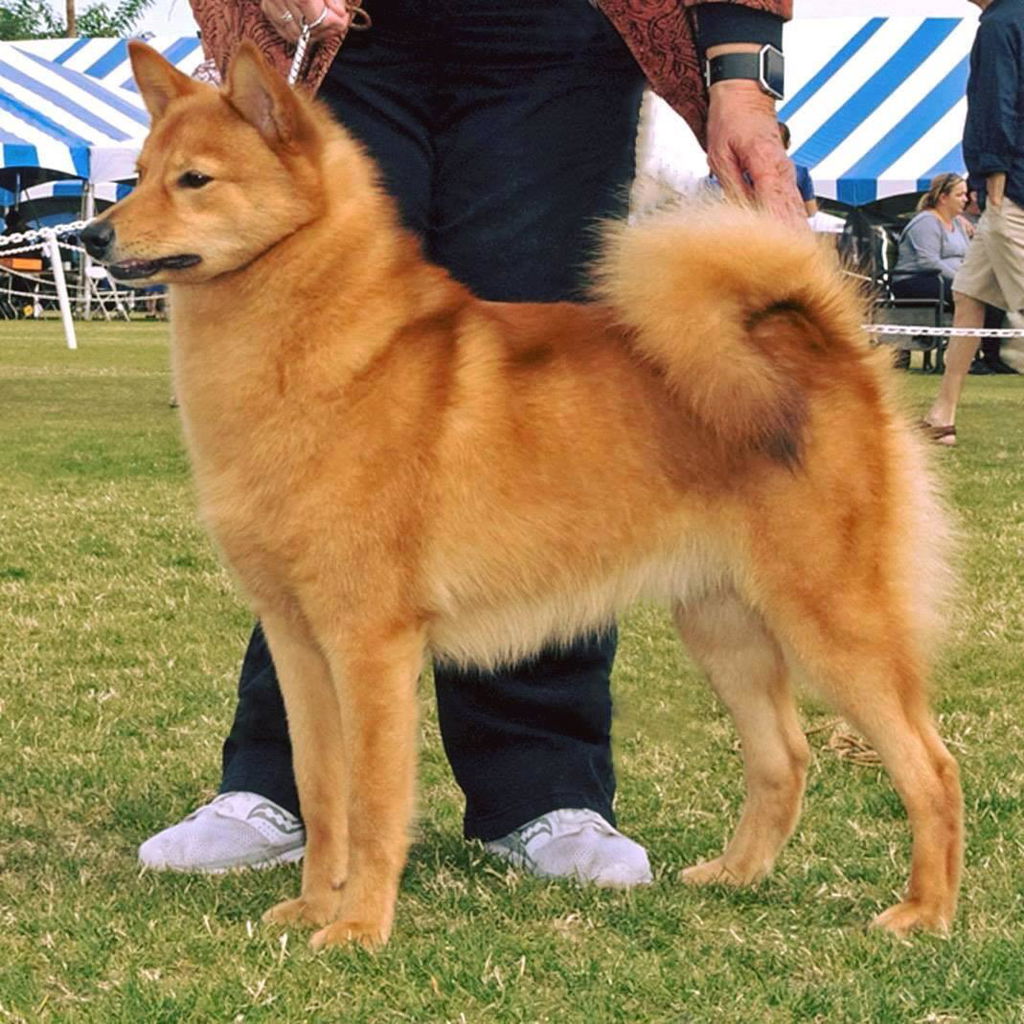
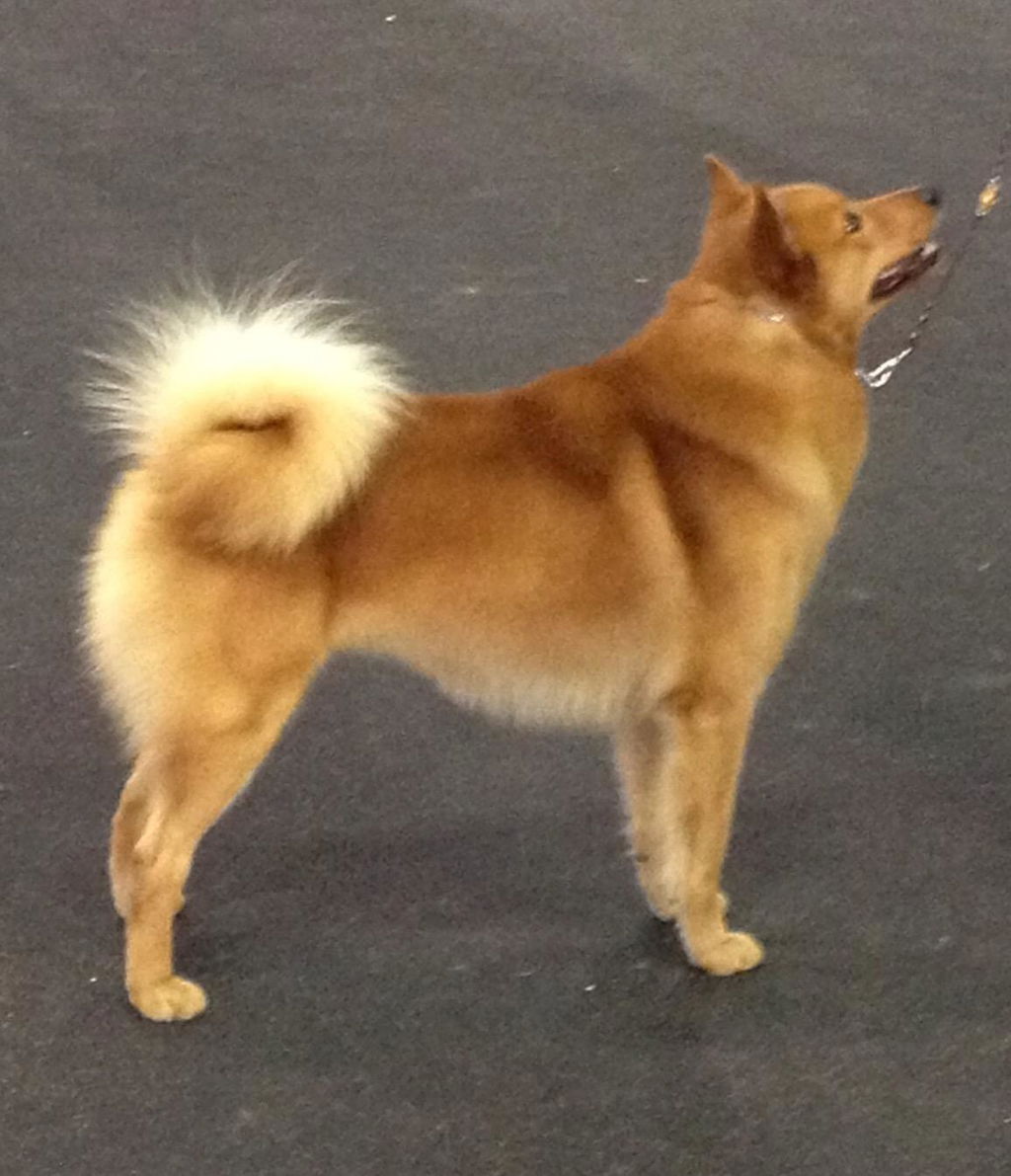
All the intelligence and drive of the Australian Shepherd, packed into a genuinely portable size, the Miniature American Shepherd is a true working dog in a smaller frame. This profile covers temperament, care needs, grooming, what to expect in day-to-day life, and how to find a breeder who prioritizes health and stable temperament.
By Tasha Mesina, Cindra Grooming Products

History
The Miniature American Shepherd began in California in the late 1960s, when breeders selectively bred smaller Australian Shepherd-type dogs seen on the rodeo and horse show circuit. The goal was a genuinely compact dog, not a novelty, and by the mid-1970s the breed had reached roughly its current size while retaining the full herding capability and temperament of its larger relative.
The breed was originally registered as the Miniature Australian Shepherd starting in 1980, and a series of breed clubs formed over the following decades to formalize the type. The Miniature American Shepherd Club of the USA (MASCUSA), founded in 1990, became the AKC's chosen parent club in May 2011, and the breed entered the AKC's Foundation Stock Service under its current name that same year. Full AKC recognition in the Herding Group followed in 2015.
Unlike many miniaturized breeds developed mainly for looks, the MAS was built by working breeders committed to function first, which is a big part of why it retains such a stable temperament and genuine herding drive in a smaller package.
Personality and Home Fit
The MAS brings full-size Australian Shepherd intelligence, drive, and eagerness to please into a much more portable frame. These are attentive, self-motivated dogs that watch their people closely and thrive with a job to do, even if that job is a daily training routine rather than actual herding.
Best matches
- Active owners interested in dog sports: agility, herding, obedience, or trick training
- Homes that want a herding-breed brain in a size that travels or fits smaller properties
- People who enjoy training as a daily activity, not an occasional chore
Common surprises
- Small size doesn't mean small drive; boredom shows up fast without a job
- Herding instinct can extend to nipping at heels of kids or other pets if not redirected
- They bond intensely and can become velcro-like with their primary person
Exercise and Enrichment
Don't let the compact size fool you: this is a working breed that needs real physical and mental output daily.
Daily baseline ideas
- Daily runs, hikes, or structured play sessions
- Agility, herding instinct work, or trick training to engage their sharp mind
- Short, varied training sessions multiple times a day
- Puzzle toys and scent games for indoor mental enrichment
A well-exercised MAS is calmer and easier to live with indoors.
Grooming a Miniature American Shepherd
The MAS carries a medium-length, weather-resistant double coat that sheds moderately with heavier seasonal blowouts. Regular brushing keeps mats from forming, especially behind the ears and around the britches.
For the full routine — brushing schedule, bathing frequency, and product recommendations for this coat type — see Grooming the Miniature American Shepherd.
Training Notes
MAS dogs are highly trainable and eager to please, but that same intelligence means they get bored fast with repetitive drilling. Keep training varied, purposeful, and consistent.
- Redirect heeling and nipping onto toys early, especially around kids
- Rotate training tasks to keep a sharp mind engaged
- Give them a real job: sport, trick training, or structured daily tasks
- Socialize early, since strong bonding can tip into over-attachment without practice being apart
Health and Longevity
Choose breeders who health test thoroughly. MASCUSA and AKC CHIC requirements are specific for this breed.
- OFA hip dysplasia evaluation (AKC CHIC requirement)
- OFA CAER eye evaluation (AKC CHIC requirement)
- DNA test for the MDR1 multi-drug resistance mutation, critical for veterinary medication safety
- DNA testing for progressive retinal atrophy (PRA) and collie eye anomaly (CEA)
- Ask to see CHIC documentation, including MDR1 status, for both parents
How to Find a Breeder
MDR1 status is a genuinely critical piece of information for this breed, since affected dogs can have severe or fatal reactions to common veterinary medications. A good breeder tests for it and can explain the results clearly.
Start with the right sources
- Miniature American Shepherd Club of the USA (MASCUSA), the AKC parent club — visit mascusa.org for breeder and health resources
- Herding trials, agility events, and conformation shows where you can meet working adults
- MASCUSA regional and member clubs
What a good breeder can explain clearly
- Full hip, eye (CAER), MDR1, PRA, and CEA testing results for both parents
- How they've selected for stable, working temperament over extreme miniaturization
- What daily life looks like with their lines, including drive and exercise needs
- A written contract with health guarantees
Red flags that should slow you down
- No MDR1 testing on the parents, given the medication-safety risk
- No hip or eye testing documentation
- Breeding for extreme small size ("teacup" or "toy" claims) over health and structure
- Cannot describe the parents' working temperament or drive honestly
Best real-world tip
Ask specifically for MDR1 test results, not just "health tested." This mutation directly affects which medications are safe for your dog, and it's a defining health issue for this breed specifically.
A breeder who doesn't know what MDR1 is shouldn't be breeding this breed.
The Cindra Touch
A medium double coat like the MAS's needs the same care philosophy as its larger Aussie relatives, just on a smaller scale: thorough cleansing, real attention to the undercoat during seasonal blowouts, and complete drying so the coat lays correctly instead of looking puffy or matted.
In my experience, owners of smaller herding breeds sometimes under-brush because the coat looks manageable, but the undercoat still mats just as readily as it does on a full-size Aussie. Stay consistent, especially behind the ears and on the britches.
Frequently Asked Questions
Do Miniature American Shepherds shed a lot?
Yes, moderately year-round with heavier seasonal blowouts in spring and fall. Regular brushing manages it well given the smaller overall coat volume compared to a full-size Australian Shepherd.
How often should I bathe a Miniature American Shepherd?
Every 4 to 6 weeks works for most MAS dogs, with more frequent brushing during seasonal shedding. See the full grooming guide for product recommendations.
What shampoo is best for a medium double coat?
Look for a shampoo that cleans thoroughly without leaving residue, since buildup weighs down this coat's natural texture and lift.
Compare options here: How to Choose Dog Shampoo by Coat Type.
Is this breed a good first dog?
Only for owners ready to commit to daily training and exercise. This is a full working herding breed in a smaller body, not a low-maintenance small dog.
Written By

Tasha Mesina
Tasha Mesina is a professional groomer and the owner of Cindra Grooming Products. She is also a Belgian Malinois and Laekenois breeder under Element Belgians. Her work centers on coat health, correct coat behavior, and practical, honest breed guidance for owners and handlers.