Grooming the Nova Scotia Duck Tolling Retriever

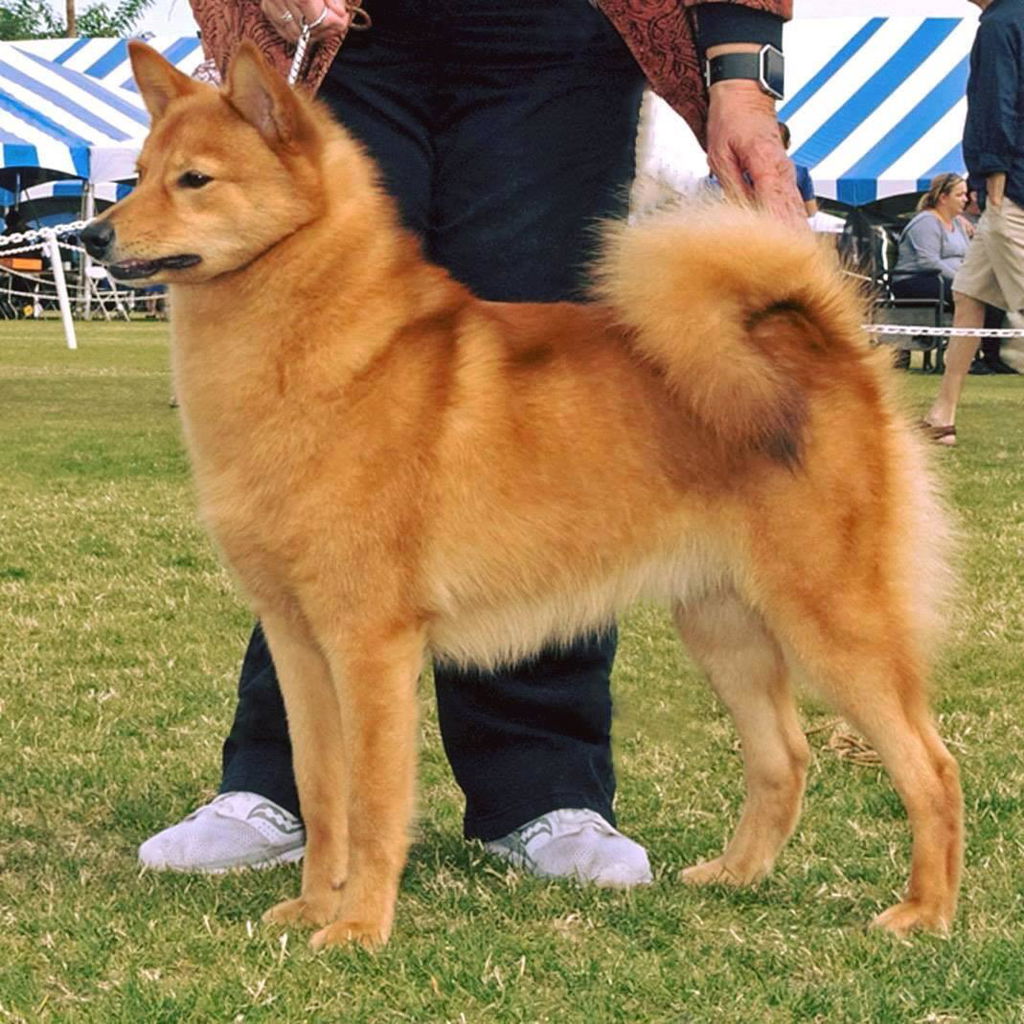
a picture of a brown dog in a field
<

Grooming the Nova Scotia Duck Tolling Retriever

By Tasha Mesina, Cindra Grooming Products

The Nova Scotia Duck Tolling Retriever is a functional sporting retriever built for cold water, heavy movement, and real work. Their double coat is designed to insulate, shed water, and protect the skin. Grooming should preserve that function, not soften it into something it is not.

This guide follows a breed-respectful routine that keeps Tollers clean, balanced, and correct, whether you live with an active pet dog or maintain a more finished presentation.


COAT

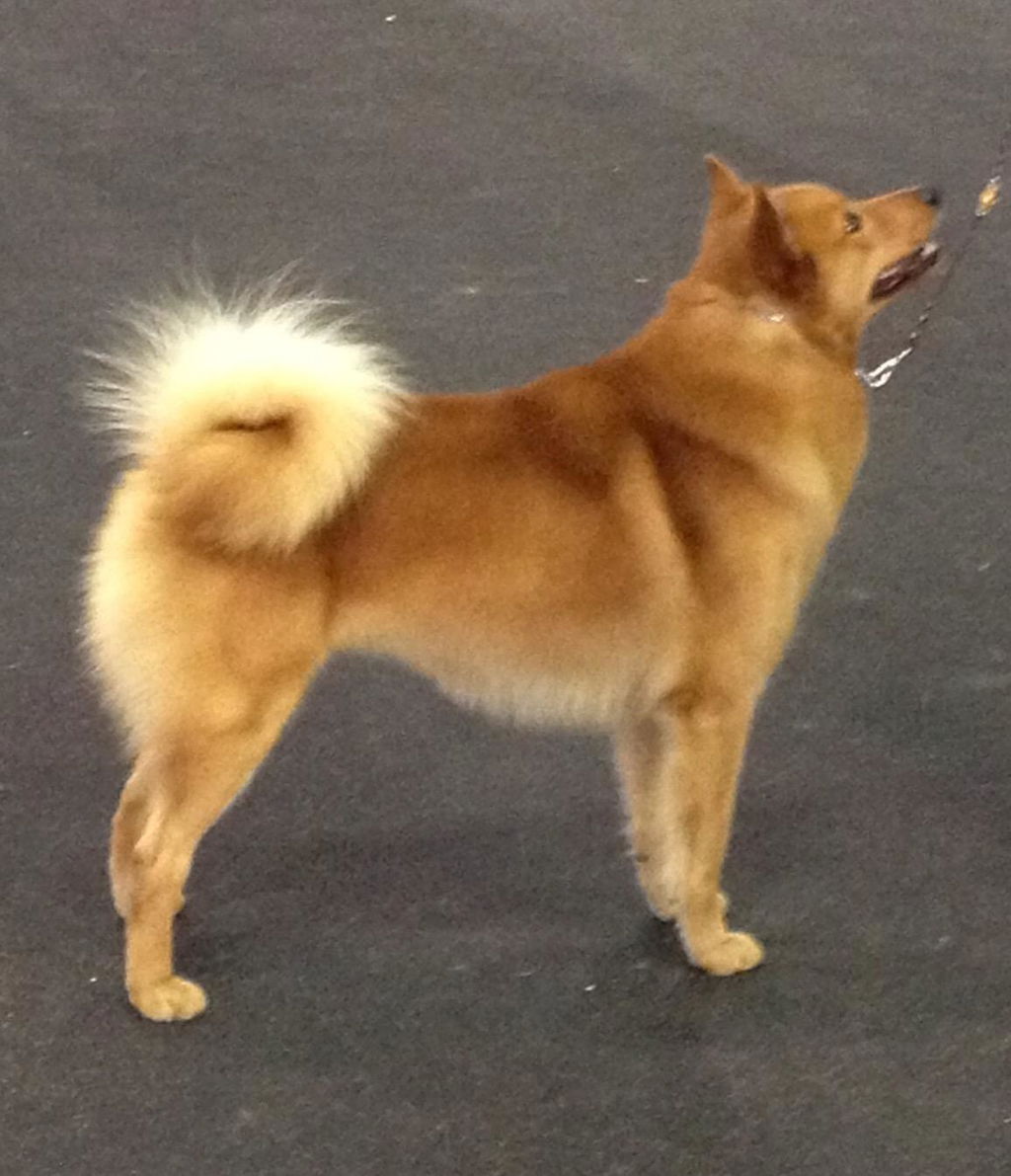
Nova Scotia Duck Tolling Retrievers have a medium-length double coat with a dense insulating undercoat and a straight to slightly wavy outer coat that naturally repels water. Correct coat texture feels resilient and practical, not cottony, limp, or overly softened.

  • Undercoat: dense, insulating, sheds seasonally
  • Outer coat: protective, weather resistant, straight to slightly wavy
  • Feathering: moderate on legs, chest, and tail, prone to tangles in friction zones

When the coat is over-conditioned or repeatedly softened, it tends to collapse, trap odor, and lose the crisp behavior that makes it easy to maintain. Toller grooming works best when you keep structure and rinse thoroughly.


CHARACTER

Tollers are high-drive, environmentally exposed dogs. They swim, retrieve, run through brush, and collect debris quickly. The best grooming routine supports skin health, coat efficiency, and clean odor control without stripping away the oils that make the coat work. This is a coat that should look natural and athletic, not decorative.

Recommended Cindra Products for Nova Scotia Duck Tolling Retrievers

This breed does best with routines that preserve coat function and avoid over-softening. Keep application light and rinse thoroughly.

If your Toller’s coat keeps going flat, greasy, or overly soft, it is rarely just the coat. It is usually product balance, rinse time, and drying technique.

Start by choosing one primary shampoo type for your next bath, keep conditioner targeted, and dry fully to the skin so the coat releases and settles correctly.

Problem / Solution (Nova Scotia Duck Tolling Retriever)

Problem What It Usually Means Coat-Safe Fix
Coat gets flat or greasy fast Product buildup, packed undercoat, or too much conditioning on the body coat Extend rinse time, keep conditioner off the body coat, dry fully to the skin.
 Texturizing Shampoo
Coat feels too soft or cottony Moisture-forward routines used too often for a functional double coat Shift back to structure-first bathing, limit leave-in to feathering only.
Texturizing Shampoo  |  Texturizing Mist
Coat holds odor even after bathing Undercoat not fully rinsed or dried to the skin Shampoo thoroughly, rinse longer than expected, high-velocity dry to the skin.
 Cleansing Shampoo
Mats behind ears or feathering tangles Friction zones trapping moisture and debris Comb consistently, support ends with a light leave-in, tidy discreetly if needed.
 Maxi Care
Shedding feels nonstop in spring or fall Seasonal coat blow plus packed undercoat Increase brushing, use a structured bath and full dry routine to release undercoat safely.
 Texturizing Shampoo

How Often Should You Groom a Nova Scotia Duck Tolling Retriever?

Brushing

  • 2 to 3 times per week for maintenance
  • Daily during seasonal shedding (spring and fall)

Bathing

  • Every 4 to 6 weeks for most pet Tollers
  • As needed after heavy mud, lake days, or field exposure

Over-bathing and over-conditioning are common drivers of texture loss and greasy rebound. Tollers do best with consistent brushing and strategic bathing, not constant bathing.


Bathing & Drying

Bathing Method

  1. Wet the coat fully, including undercoat. Tollers are water resistant, so take your time.
  2. Shampoo twice when needed. The first wash removes surface grime, the second wash cleans evenly.
  3. Rinse longer than you think. Many greasy coat complaints are incomplete rinse and packed undercoat.
  4. Use conditioner only where it is earned, usually feathering and ends. Keep it light on the body coat.

Drying Method

  1. Towel blot. Do not rub.
  2. High-velocity dry to the skin to remove water and release loose undercoat.
  3. Finish airflow following coat direction so the coat settles naturally. Avoid fluff drying.

If the coat smells wet-dog after it is dry, it is not fully dry. Undercoat must be dry to the skin to prevent odor and coat packing.


Shedding & Seasonal Coat Changes

Tollers shed moderately year-round and heavily during seasonal coat blows. During spring and fall, the undercoat can pack quickly, which makes the coat feel heavier, duller, and harder to manage.

  • Increase brushing and comb-through frequency
  • Prioritize full drying after baths and swims
  • Keep products light and rinse thoroughly to avoid buildup

Trimming & Scissoring

Nova Scotia Duck Tolling Retrievers are a minimal-trim breed. The goal is tidy, athletic, and natural, not sculpted.

  • Neaten feet and tidy between pads
  • Light cleanup at hocks and sanitary areas
  • Discreet tidying and blending on ears, chest, legs, and tail, without sculpting or altering the natural outline. 

Avoid removing body coat with thinning shears or creating an outline. Over-trimming is one of the fastest ways to make a Toller look incorrect.


Puppy Coat vs Adult Coat

Puppy coats are often softer and fluffier. Adult coat texture develops over time, commonly between 12 and 24 months. During transitions, keep routines simple: brush consistently, bathe only as needed, and avoid heavy conditioning.

If a young Toller suddenly feels limp or cottony, the cause is usually grooming routine choices rather than genetics.


Seasonal Grooming Adjustments

Winter

  • Reduce bath frequency
  • Prioritize brushing and spot-cleaning
  • Maintain natural oils that support insulation

Summer

  • Expect heavier shedding and undercoat release
  • Focus on drying after swimming
  • Never shave the coat, it disrupts thermoregulation and protection

Common Grooming Mistakes

Mistake Why It Causes Problems
Over-conditioning the whole coat Coat collapses, traps odor, and rebounds greasy or flat
Short rinse times Residue sits in the undercoat and creates dullness and odor
Inadequate drying Undercoat stays damp, leading to odor, coat packing, and skin irritation
Over-trimming and thinning the body coat Removes protection and changes the natural outline and coat behavior

Essential Grooming Setup

  • Soft slicker brush for routine maintenance
  • Stainless steel comb for feathering and friction zones
  • Undercoat rake used gently during seasonal shedding
  • High-velocity dryer for full drying and undercoat release
  • Quality nail tool and ear-cleaning basics

The goal is to remove loose undercoat and keep the coat clean without stripping it down or softening it into a different texture.


The Cindra Touch

A well-groomed Nova Scotia Duck Tolling Retriever should look clean but never fluffy, balanced and athletic, and natural rather than sculpted. When your routine is correct, the coat behaves correctly, and the grooming disappears.


FAQ: Nova Scotia Duck Tolling Retriever Grooming

Do Nova Scotia Duck Tolling Retrievers shed a lot?

They shed moderately year-round and heavily during seasonal coat changes, especially in spring and fall.

Should a Nova Scotia Duck Tolling Retriever be shaved?

No. Shaving disrupts insulation, coat function, and skin protection, and it often causes long-term coat behavior problems.

How often should a Nova Scotia Duck Tolling Retriever be bathed?

Most Tollers do well with baths every 4 to 6 weeks, adjusted for lifestyle and coat condition. After swimming or heavy dirt exposure, focus on thorough rinsing and full drying.

Why does my Toller’s coat feel flat after grooming?

The most common causes are over-conditioning, incomplete rinsing, and not drying to the skin. Keep conditioner targeted, rinse longer, and dry fully to release undercoat and help the coat settle naturally.