Grooming the Pomeranian
COAT
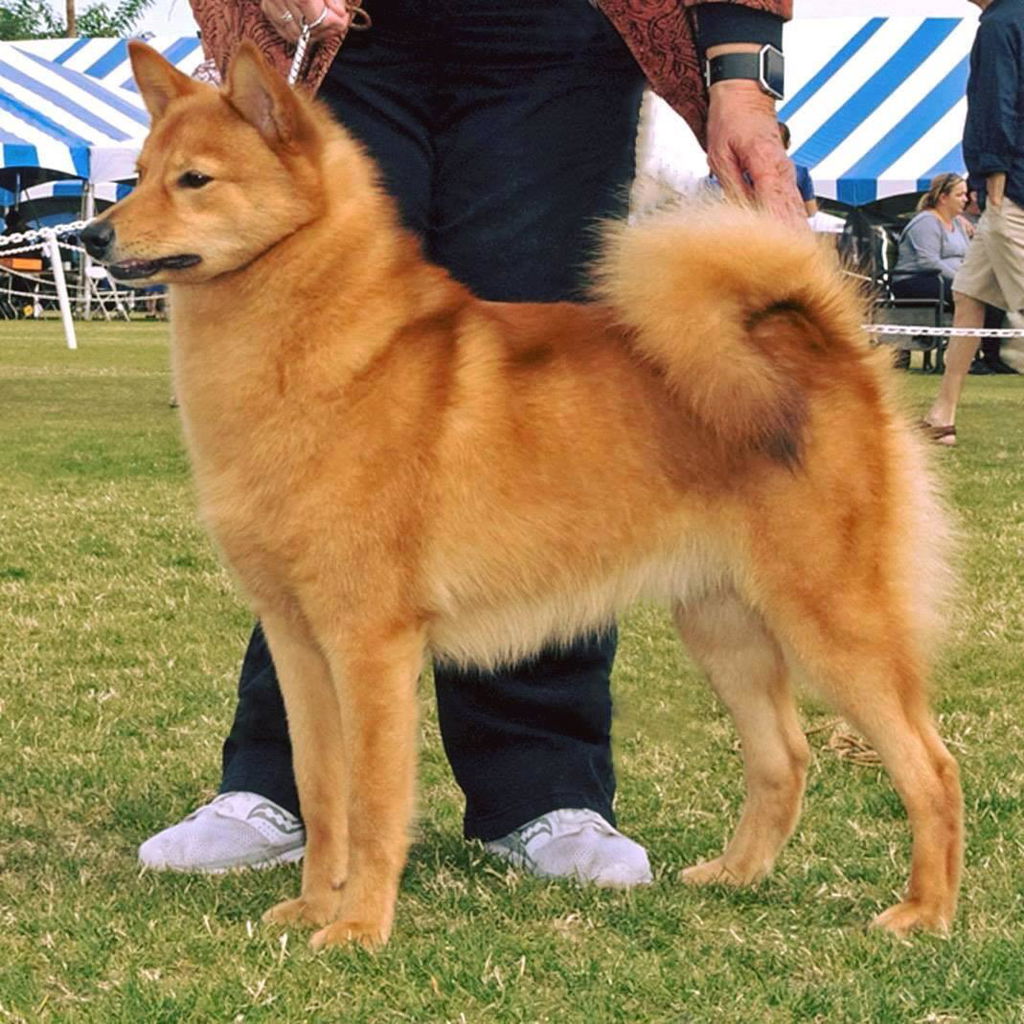
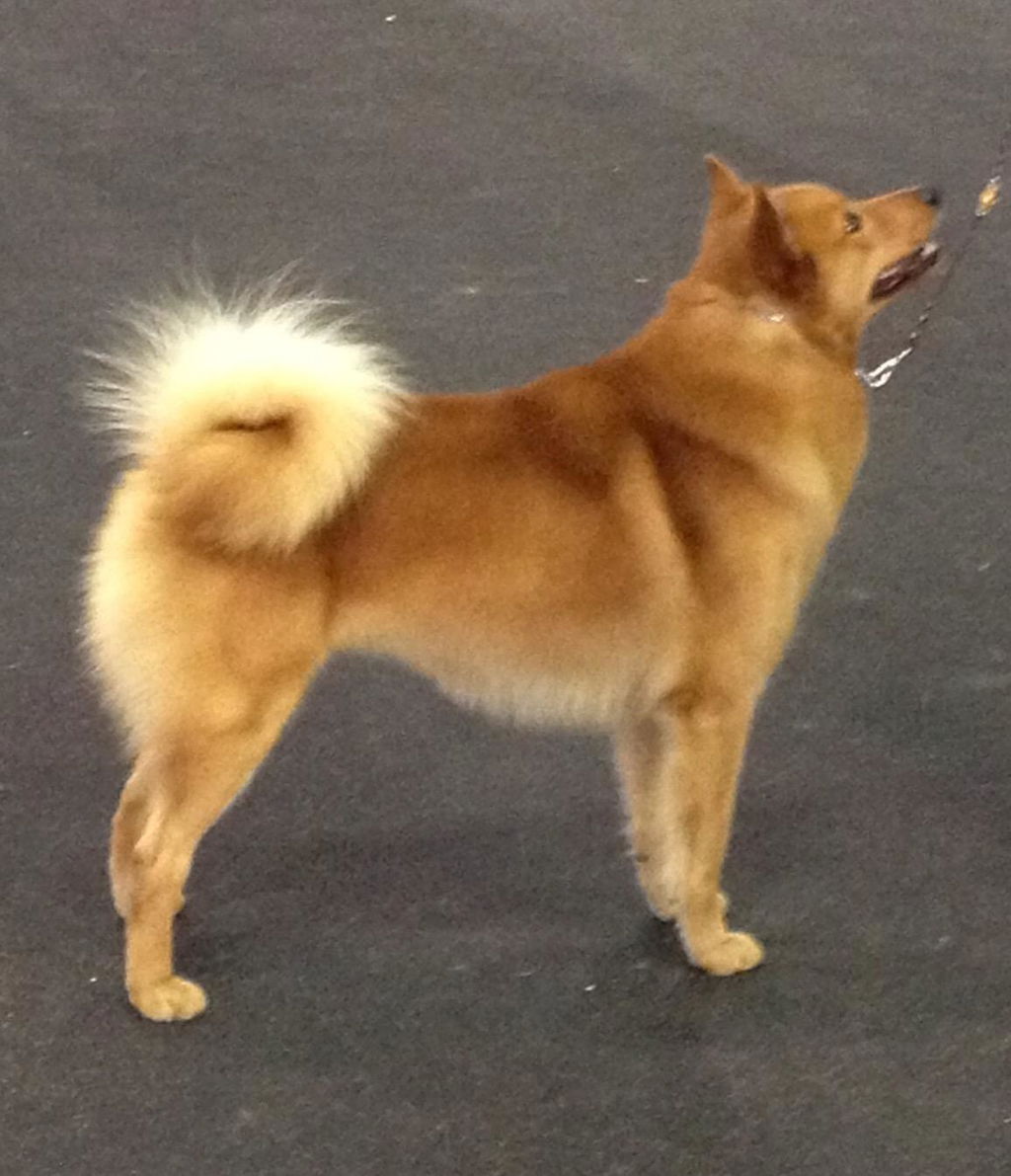
A Pomeranian is noted for its double coat. The undercoat is soft and dense. The outer-coat is long, straight, glistening and harsh in texture. A thick undercoat will hold up and permit the guard hair to stand off from the Pomeranian’s body. The coat is abundant from the neck and fore part of shoulders and chest, forming a frill that extends over the shoulders and chest. The head and leg coat is tightly packed and shorter in length than that of the body. The forequarters are well feathered to the hock. The tail is profusely covered with long, harsh, spreading straight hair.
CHARACTER
The Pomeranian is an extrovert, exhibiting great intelligence and a vivacious spirit, making him a great companion dog as well as a competitive show dog.
RECOMMENDED CINDRA PRODUCTS:
- Texturizing Shampoo
- Reconstructor – Conditioner
Pomeranian Coat Problems & Cindra Solutions
| Problem | Cindra Solution |
|---|---|
| Detangling / Dematting | Apply Moisture Plus full strength liberally to the mat. Wait 15 minutes, then gently pull the mat apart using fingers or a comb. |
| Dry, Damaged Coat | Wet dog with warm water, apply Moisture Plus liberally, wrap in a warm towel for 15–20 minutes. Shampoo with Moisturizing Shampoo and rinse thoroughly. |
| Dingy White Coat | First lather with Cleansing Shampoo , allow to sit for 5 minutes, then rinse. Follow with Texturizing Shampoo . |
| Increase Undercoat | Line brush daily using Maxi Care once shedding has finished. |
| Showing on a Hot, Dry Day | Use Maxi Care as your only coat dressing. |
| Showing Without Full Undercoat | Use Texturizing Mist diluted 50:50 with water while line brushing. |
| Extra Volume | Apply Super Coat diluted 50:50 with water while line brushing. In high humidity, substitute with Texturizing Mist . |
Understanding the Pomeranian Coat
Pomeranians are known for their iconic, fluffy appearance—but that beauty comes from a very specific coat structure that requires knowledgeable care. A Pomeranian has a true double coat, made up of a long, straight outer coat (guard hairs) and a dense, soft undercoat beneath. These two layers work together to insulate the body, protect the skin, and regulate temperature in both cold and warm conditions.
This coat isn’t just decorative—it’s functional. The undercoat traps warmth in winter and helps regulate heat in summer, while the outer coat shields against sun exposure, moisture, and environmental debris. Because of this unique structure, Pomeranian grooming must focus on coat preservation, not removal.
Like many double-coated breeds, Pomeranians experience seasonal shedding, often referred to as “blowing coat,” typically in spring and fall. During these times, the undercoat releases in larger volumes and requires consistent grooming to prevent tangles, matting, and skin issues.
Managing Mats and Tangles in Pomeranians
Because of their thick double coat, Pomeranians are especially prone to matting when grooming routines lapse. Mats form when loose undercoat becomes trapped beneath the outer coat, often tightening close to the skin. Left unmanaged, mats can cause discomfort, restrict airflow to the skin, and increase the risk of irritation or infection.
Daily or near-daily brushing is the most effective way to prevent matted Pomeranian hair. Pay close attention to high-friction areas where tangles commonly develop, including behind the ears, under the legs, around the collar line, and at the base of the tail. Proper brushing should always reach through the coat to the skin—surface brushing alone won’t prevent mat formation.
Dealing With Shedding the Right Way
Shedding is a normal and healthy process for Pomeranians, but it does require the right approach. Regular grooming sessions that focus on hydration, conditioning, and controlled undercoat removal are key to managing shedding without damaging the coat.
Deshedding a Pomeranian should never involve aggressive tools or cutting the coat short. Instead, a combination of proper bathing, conditioning, blow-drying, and methodical brushing helps release dead undercoat safely. When done correctly, you may notice increased shedding for a day or two following a grooming session as loosened coat releases—followed by significantly reduced shedding overall.
Why Pomeranians Should Never Be Shaved
Shaving or heavily clipping a Pomeranian’s coat can cause long-term damage. The double coat is designed to regulate temperature naturally, and removing it interferes with the body’s ability to stay cool in summer and warm in winter. Guard hairs also protect the skin from UV exposure and environmental stressors.
One of the most serious risks of shaving is post-clipping alopecia, a condition that can result in patchy hair loss, thinning, discoloration, or permanent coat damage. In many cases, the coat does not regrow properly. For this reason, responsible grooming focuses on maintenance, not removal, and shaving should only be considered if medically necessary under veterinary guidance.
How Often Should a Pomeranian Be Groomed?
Most Pomeranians benefit from grooming every 4–6 weeks, with regular brushing at home in between appointments. Maintaining a consistent grooming schedule helps prevent mats, keeps the coat balanced, and supports healthy skin.
Routine grooming also keeps the coat from overgrowing in problem areas—such as around the feet, sanitary areas, and chest—where excess hair can collect debris, interfere with movement, or fall into food and water bowls.
Essential Grooming Tools for Pomeranians
Caring for a Pomeranian at home requires the right tools and products. A proper grooming setup includes:
-
Slicker brush to gently remove tangles and loose undercoat
-
Pin brush for smoothing and maintaining the outer coat
-
Nail clippers or grinder for routine nail care
-
Cotton pads for gentle eye and ear cleaning
-
High-quality dog shampoo and conditioner formulated to cleanse without stripping oils and to support coat hydration and strength
Using dog-specific grooming products is essential for preserving coat health and preventing dryness or irritation.
The Value of Professional Grooming for Pomeranians
Professional grooming plays an important role in maintaining a Pomeranian’s coat and overall health. Experienced groomers understand how to work with a double coat—keeping it clean, balanced, and properly shaped without compromising its natural function.
Routine professional grooming also supports:
-
Skin health, by preventing tight mats and buildup
-
Nail maintenance, reducing joint strain and mobility issues
-
Ear and eye care, especially important for breeds with abundant facial hair
Grooming a Pomeranian Through the Seasons
Pomeranian grooming needs can shift slightly with seasonal changes, but coat integrity should always come first.
-
Summer grooming: Focus on removing loose undercoat and maintaining airflow through the coat. Avoid shaving, as the coat provides natural insulation and sun protection.
-
Winter grooming: Longer styles help retain warmth, but the coat must remain mat-free to function properly. Mats reduce insulation and can cause discomfort in cold weather.
Grooming Your Pomeranian With Confidence
Grooming a Pomeranian is about more than appearance—it’s about preserving the health, comfort, and function of a remarkable coat. With consistent brushing, informed grooming choices, and respect for the breed’s natural structure, your Pom can maintain a full, healthy coat that performs exactly as it was designed to.
Whether you’re grooming a Pom at home or working with a professional, understanding the “why” behind proper Pomeranian grooming makes all the difference—for both coat health and long-term well-being.