Free shipping over $150 with code FREESHIP

Grooming tips for the Belgian Laekenois

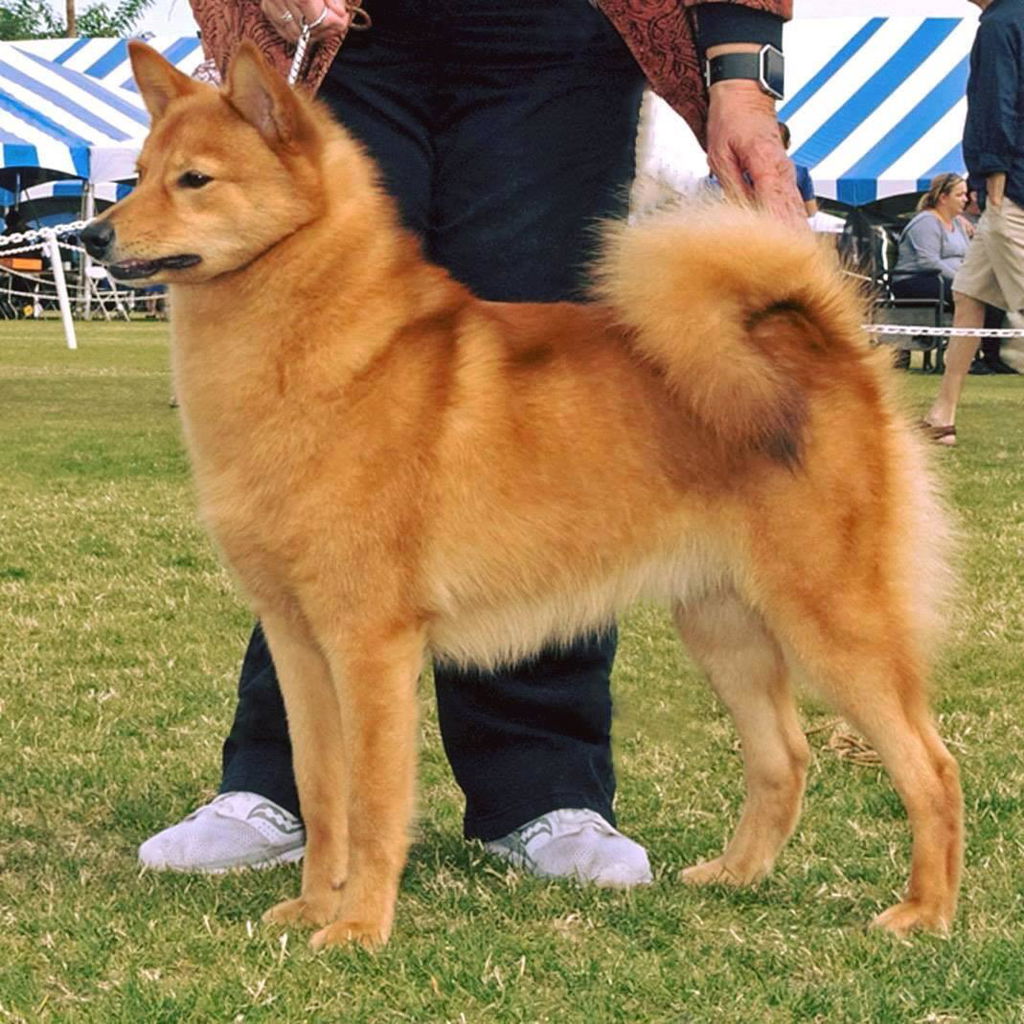
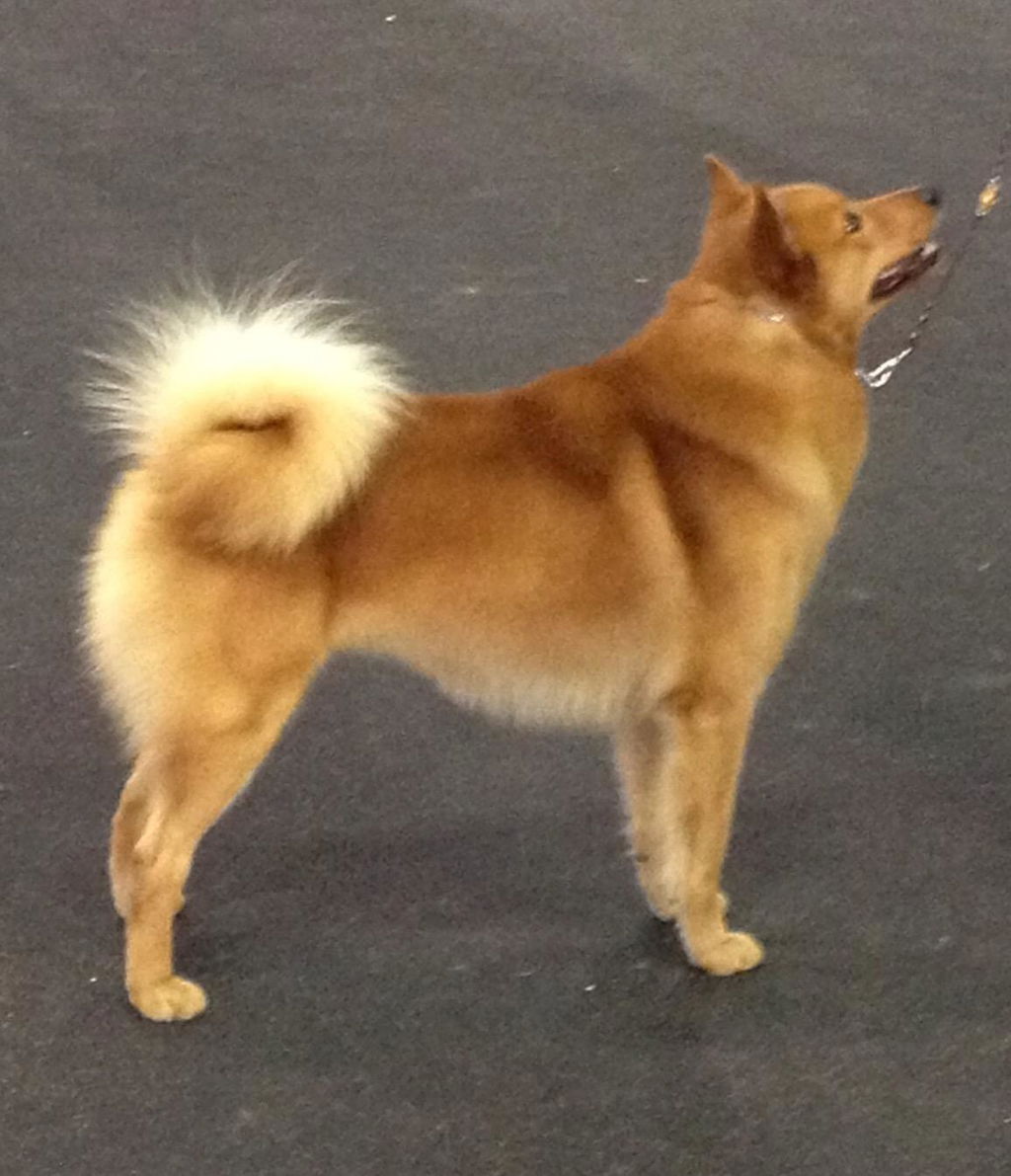
a belgian laekenois sitting outdoors with a textured, wiry coat- showcasinh natural coat texture and rustic grooming style

"Time" 

Lonerock & StarBright’s I’ve Waited For You
FSXs, PT, JHD, RATI, NHAT, FDC, HSAs

Owned by Tasha Mesina~Element Belgians 

The coat should have a rough, coarse texture that creates a naturally untidy, tousled appearance. A silky or soft texture, or the absence of a double coat, should be heavily penalized. Hair length across the body should measure roughly 2½ inches. A beard is required on the muzzle, and the hair on the head must not be overly long, ensuring the eyes and the natural lines of the head and skull remain visible, avoiding a square or heavy appearance. The tail must not form a plume.

Character

The Belgian Laekenois is a square, well-balanced, and elegant dog, exuding strength, agility, and alertness with an impressive, proud carriage of the head and neck. Both males and females should reflect depth and solidity without bulkiness, with males appearing more grand and females distinctly feminine.

Their temperament is a blend of intelligence, courage, and devotion to their master, with a natural protectiveness that enhances their role as guardians of flocks and property. Always attentive, watchful, and active unless commanded otherwise, the Laekenois is observant and vigilant with strangers while maintaining a confident demeanor.

This breed is affectionate and friendly with those it knows, deeply loyal and eager for their attention, yet not prone to fear, shyness, or unwarranted aggression. Extreme shyness is undesirable and should be penalized, while viciousness is a disqualification, as it contradicts the breed’s inherently noble and reliable nature.

Recommended Cindra Products for the Belgian Laekenois

Common Laekenois Coat Problems & Solutions

Problem Solution
Soft coat Mist full-strength Cindra Texturizing Mist into the coat and brush through to re-establish harsh texture.
Dry, damaged coat Wet the dog with warm water, apply Moisture Plus Conditioner full-strength, wrap in a warm towel for 15–20 minutes, then shampoo using Moisturizing Shampoo and rinse thoroughly.
Showing on a hot, dry day Use Maxi Care as your only coat dressing for the day (lightweight, controlled finish without heaviness).
Showing without full undercoat Use Texturizing Mist diluted 50:50 with water while line brushing to hold coat up long enough for judging.
Thin leg furnishings Spray diluted Texturizing Mist into a damp coat and fluff dry with a blow dryer.
Extra volume Apply Super Coat diluted 50:50 (or more) while line brushing. If very humid, try Texturizing Mist instead.
Mustache / facial furnishings Apply Sculpting Gel and comb into position for clean expression without stiffness.

Key Coat Elements of the AKC Breed Standard for the Laekenois

To distinguish the Laekenois from other breeds in the conformation ring, focus on the key coat elements outlined in the AKC Breed Standard. Proper grooming ensures the Laekenois is presented as required by the standard.

Rough and Coarse Texture

The coat should feel rough and coarse, maintaining a natural, tousled appearance. Regular bathing should be infrequent to preserve texture. Avoid softening conditioners. Rinse thoroughly, as the rinse is the most critical part of the process. Some exhibitors also use a diluted Listerine rinse to help maintain crispness.

Disorderly, Tousled Appearance

The coat should not be sculpted. Avoid scissoring, shearing, or clipping, as these practices conflict with the standard. Minimal trimming is acceptable only for function, such as the bottoms of the feet for traction.

Proper Length

The correct coat length of approximately 2½ inches is achieved through hand-stripping, typically twice per year. Timing varies by dog, but coat growth usually takes between six weeks and three months.

Beard and Head Proportions

The beard is a defining feature and must be preserved. Strip the bottom line parallel to the jaw for balance. The head coat should never obscure the eyes or skull lines. Head stripping is usually done several weeks after the body.

Tail Without a Plume

A plumed tail is incorrect. The tail should be hand-stripped to maintain its proper outline and texture.

Preparing the Coat for Grooming

Evaluate the coat before stripping. If the coat is blown, hairs should release easily without discomfort. If pulling is difficult or painful, stop and reassess timing.

Hand-Stripping Guidelines

  • Begin stripping 8–10 weeks before showing or follow a biannual schedule
  • Always pull hair in the direction of growth
  • Use corn starch or finger cots to improve grip
  • Avoid scissors or clippers on body, face, and legs
  • Start with short sessions and increase gradually

Rolling the Coat

Rolling the coat involves removing the longest hairs regularly to encourage continuous growth. This technique can extend coat life between full strips and is dependent on individual coat type.

By adhering to these grooming principles, the Belgian Laekenois can be presented correctly in the conformation ring, showcasing the breed’s distinctive coat and noble character.