A realistic look at show dogs, daily life, and well-being
By Tasha Mesina, Cindra Grooming Products
People who have never spent time around dog shows often ask the same question: are show dogs actually happy?
The short answer is yes, they absolutely can be. But like any activity involving animals, it depends on the people responsible for them. Good breeders, handlers, and owners prioritize the dog’s well-being long before ribbons or titles.
From the outside, dog shows can look intense. What people see is the ring, the grooming tables, and the competition. What they do not see is the rest of the dog’s life.
What People Often Get Wrong About Show Dogs
Most criticism of dog showing comes from misunderstanding how the dogs actually live.
Shows are brief events that happen occasionally. The majority of a show dog’s life is spent doing normal dog things.
| Common Assumption | What Reality Usually Looks Like |
|---|---|
| Show dogs are always performing | They spend most of their time relaxing at home, playing, training, and going for walks. |
| Dogs are forced to show | Dogs that dislike the ring are usually moved into other activities or companion homes. |
| Shows are constant stress | For experienced dogs, the environment becomes familiar and routine. |
| They live in crates all day | Crates are used for rest and safety, similar to how many dogs use crates at home. |
What a Show Dog’s Life Actually Looks Like
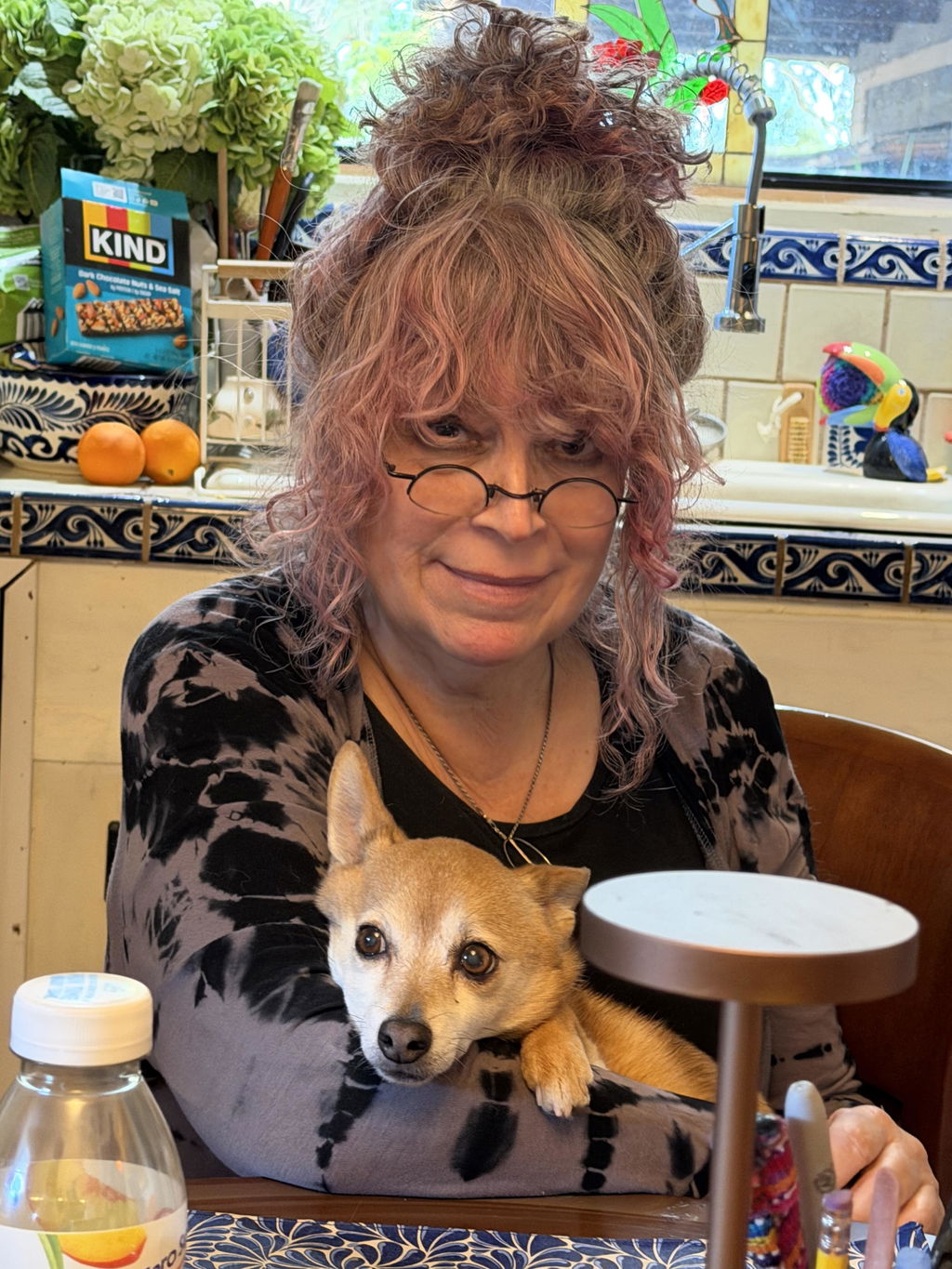
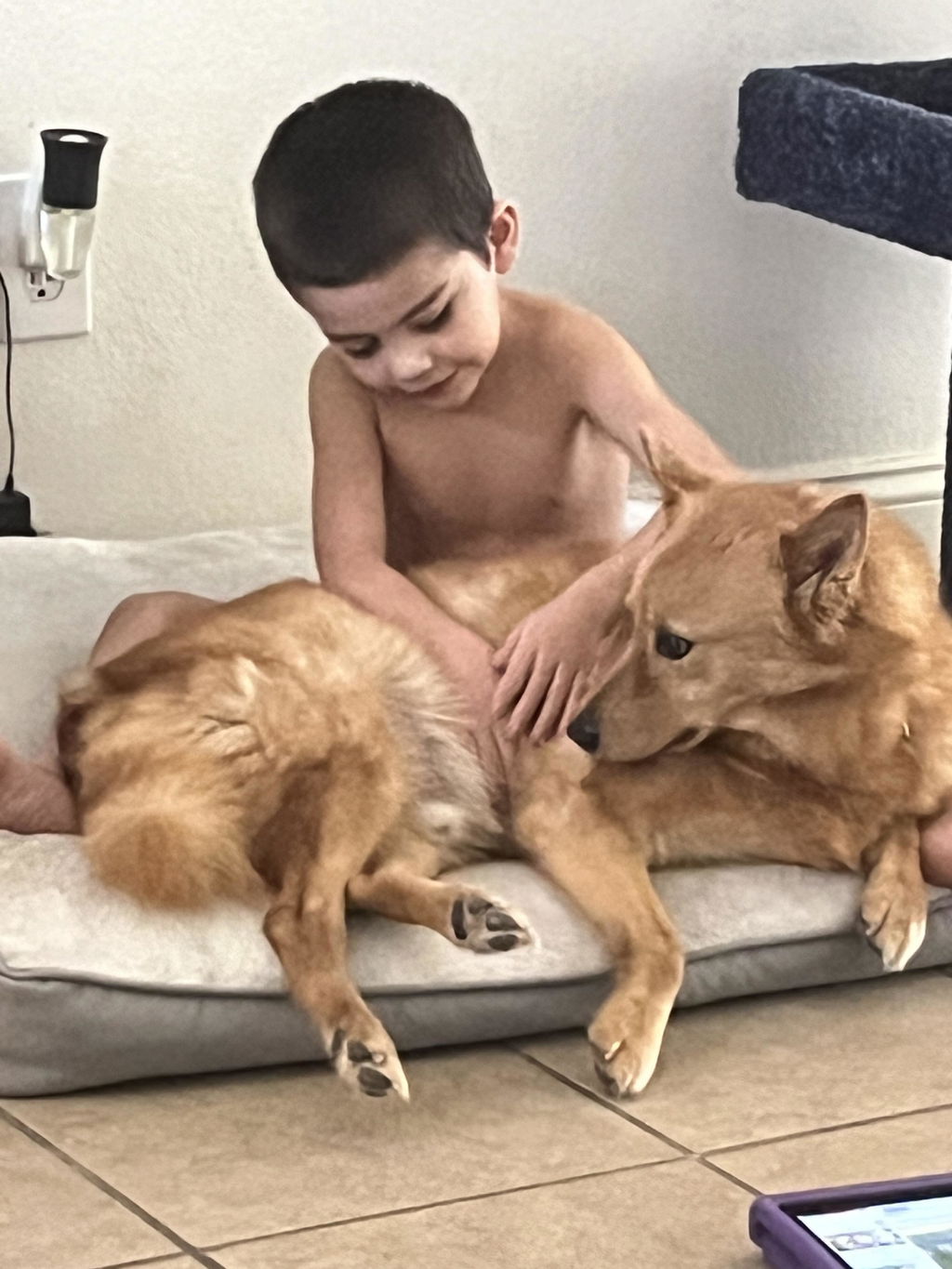
Most show dogs live at home with their owners just like any other dog. Their days are made up of walks, training sessions, playtime, and plenty of downtime.
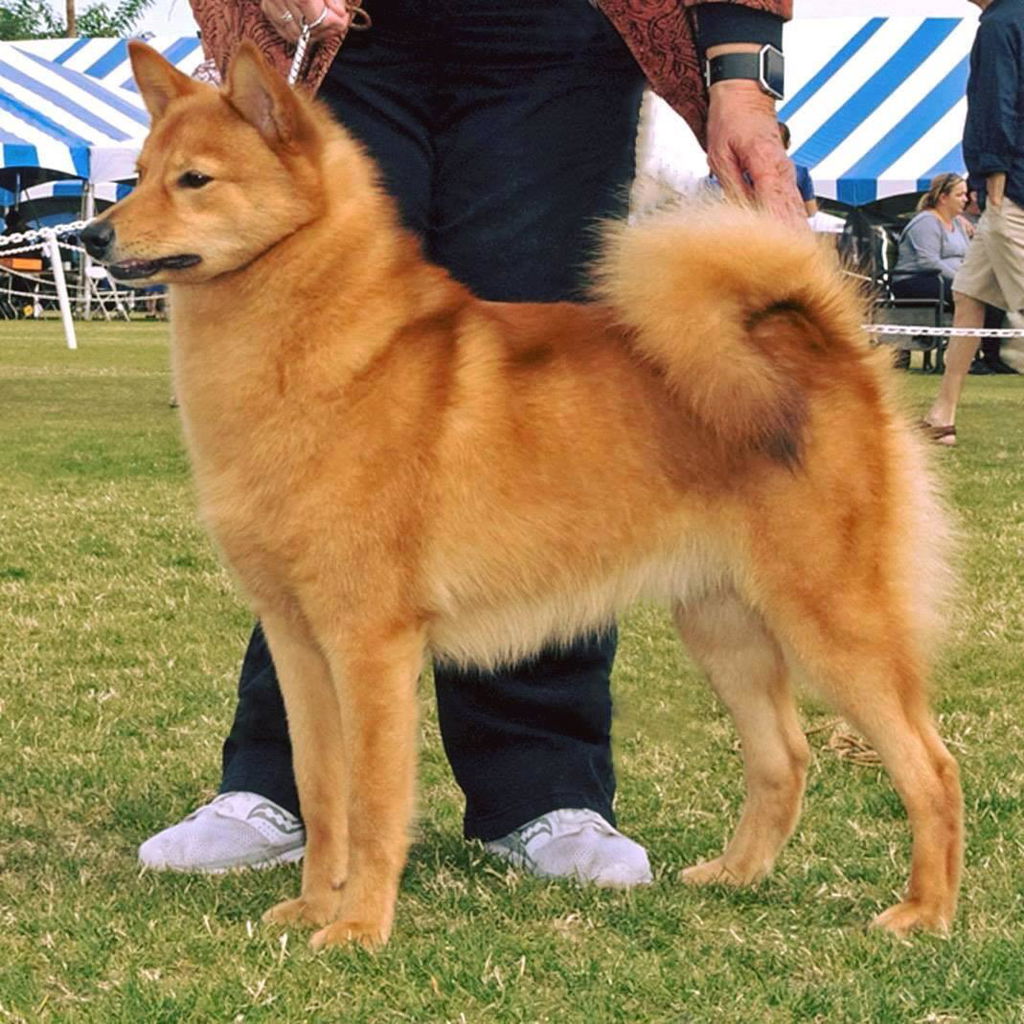
Showing itself usually lasts only a few minutes per day during a show weekend.
Many show dogs also participate in other activities, including:
- Herding
- Agility
- Obedience
- Scent work
- Field training
- Therapy work
These activities provide mental stimulation and strengthen the relationship between dog and handler.
Training vs Pressure
Training a show dog is not about forcing performance. It is about teaching the dog what the routine means and helping them understand what is expected.
Most show behaviors are simple skills: standing still, moving at a comfortable pace, and allowing examination by a judge.
Dogs that clearly dislike showing are usually redirected into other activities. Ethical breeders and handlers pay attention to what the dog is telling them.
Do Dogs Enjoy Showing?
Some dogs genuinely enjoy the environment. They like the attention, the activity, and the chance to work closely with their handler.
| Happy Show Dog | Dog That Is Uncomfortable |
|---|---|
| Loose body posture | Stiff movement |
| Wagging tail | Tucked tail |
| Confident gait | Reluctant movement |
| Engaged with handler | Trying to avoid the situation |
Experienced handlers learn to read these signals and adjust accordingly.
What Happens During a Typical Show Weekend
Dog shows may seem hectic from the outside, but most dogs settle into a predictable routine.
| Activity | What the Dog Is Doing |
|---|---|
| Morning | Short walk, light grooming, relaxing ringside |
| Ring Time | A few minutes of movement and examination |
| Between Classes | Resting in crate, socializing, or walking |
| Evening | Returning to hotel or home to relax |
Most dogs spend far more time resting than actually showing.
Where Grooming Fits In
For breeds with more demanding coats, grooming becomes a normal part of life. Dogs that grow up with regular grooming learn to accept it calmly.
Routine coat care keeps the dog comfortable and supports skin health. Proper bathing schedules also help maintain the coat’s natural function.
If you want to understand how bathing frequency affects coat health, this guide explains it in detail:
How Often Should You Bathe Your Dog
Regular grooming also helps manage seasonal shedding. Double-coated breeds, in particular, go through predictable coat cycles.
Managing Seasonal Shedding in Dogs
Using the right shampoo for a specific coat type can make grooming easier and healthier for the dog.
How to Choose Dog Shampoo by Coat Type
When Show Dogs Are Not Happy
Problems happen when human goals override the dog’s needs.
Excessive pressure, poor handling, or ignoring clear signs of stress are never acceptable. Responsible breeders and handlers understand that long-term well-being is more important than winning.
Ethical Showing vs Exploitation
| Ethical Showing | Unethical Practices |
|---|---|
| Prioritizes dog welfare | Prioritizes wins over the dog |
| Allows dogs to enjoy the process | Forces dogs into uncomfortable situations |
| Respects individual temperament | Ignores signs of stress |
| Focuses on breed preservation | Focuses only on titles |
My Perspective, as a Breeder and Handler
I work closely with breeders, handlers, and owners who live with their dogs every day. The dogs I see most often are deeply bonded with their people and involved in many different activities beyond the show ring.
When dogs are raised thoughtfully and cared for properly, showing becomes just one small part of a balanced and fulfilling life.

Tasha Mesina is the owner of Cindra Grooming Products and has more than two decades of experience in dog grooming, breeding, and working dogs. She works closely with breeders, handlers, and competitors across multiple dog sports and writes educational guides on coat care, grooming routines, and maintaining healthy coats for both show dogs and family companions.