By Tasha Mesina, Cindra Grooming Products
"How often should I bathe my dog?" is one of the questions I get asked almost daily at the grooming table, and my answer always starts the same way: what's growing on the dog? Coat type is the single biggest factor in bath frequency — more than breed size, activity level, or anything else.
Below is the bathing frequency I actually recommend for every coat type, along with the technique details that make the difference between a bath helping the coat and working against it.
Why Frequency Matters
Bathe too rarely and dirt, allergens, and buildup accumulate, which drives shedding, matting, odor, and skin irritation. Bathe too often — especially with the wrong shampoo — and you strip natural oils, which shows up as dryness, particularly in colder months. Getting the frequency right for the specific coat in front of you is what actually protects skin and coat health.

Short-Haired Breeds (e.g. Beagles, Boxers, Pit Bulls)
Bathing Frequency: Every 4–8 weeks
These coats don't retain much oil or dirt on their own, but active dogs or ones living in cities still benefit from a monthly wash.
Cindra Tip: Use a lightweight, moisturizing shampoo and follow with a hydrating Leave in conditioner for skin comfort.

Curly or Wavy Coats (e.g. Poodles, Doodles, Bichons)
Bathing Frequency: Every 3–4 weeks
These coats trap dirt and moisture close to the skin and mat fast if they go too long between washes and brush-outs.
Cindra Tip: Detangle before AND after the bath — wet mats only get tighter. Use a sulfate-free shampoo built for high-maintenance coats, like our Texturizing shampoo

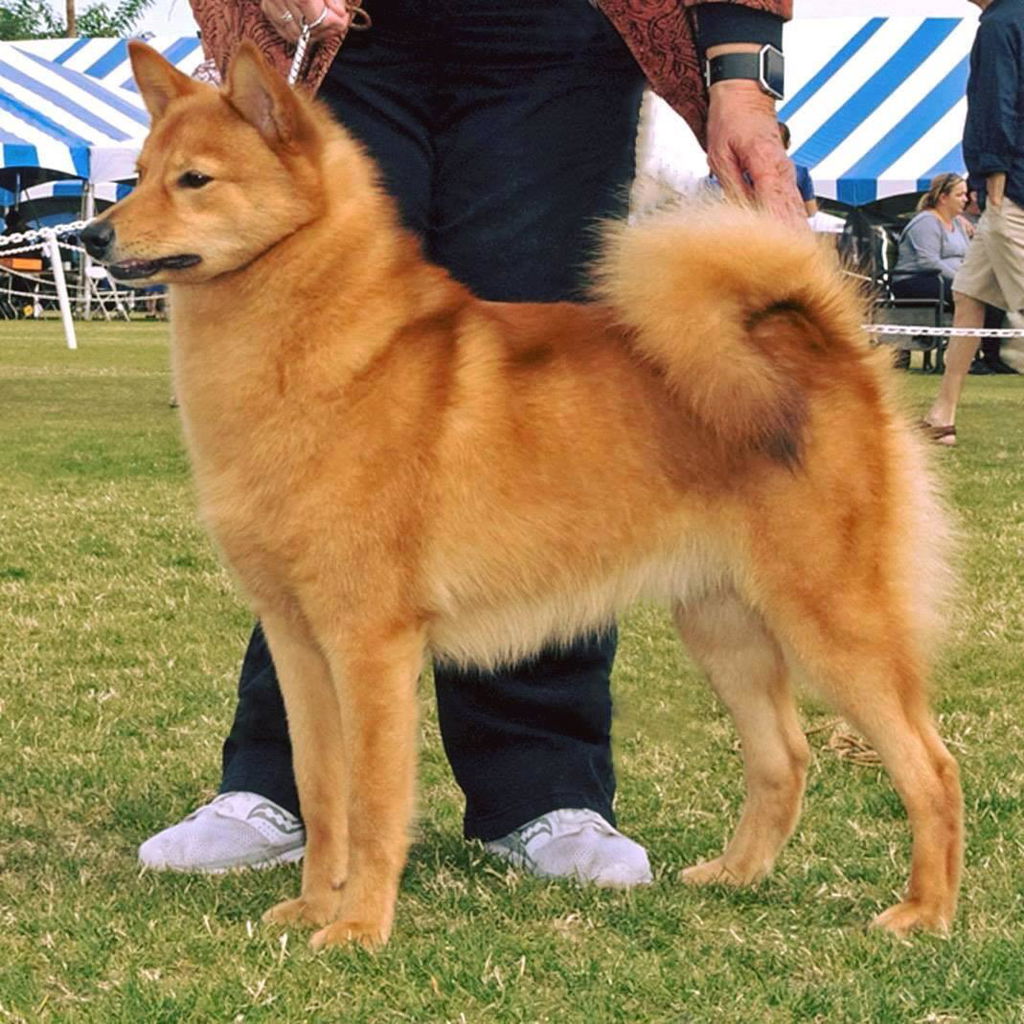
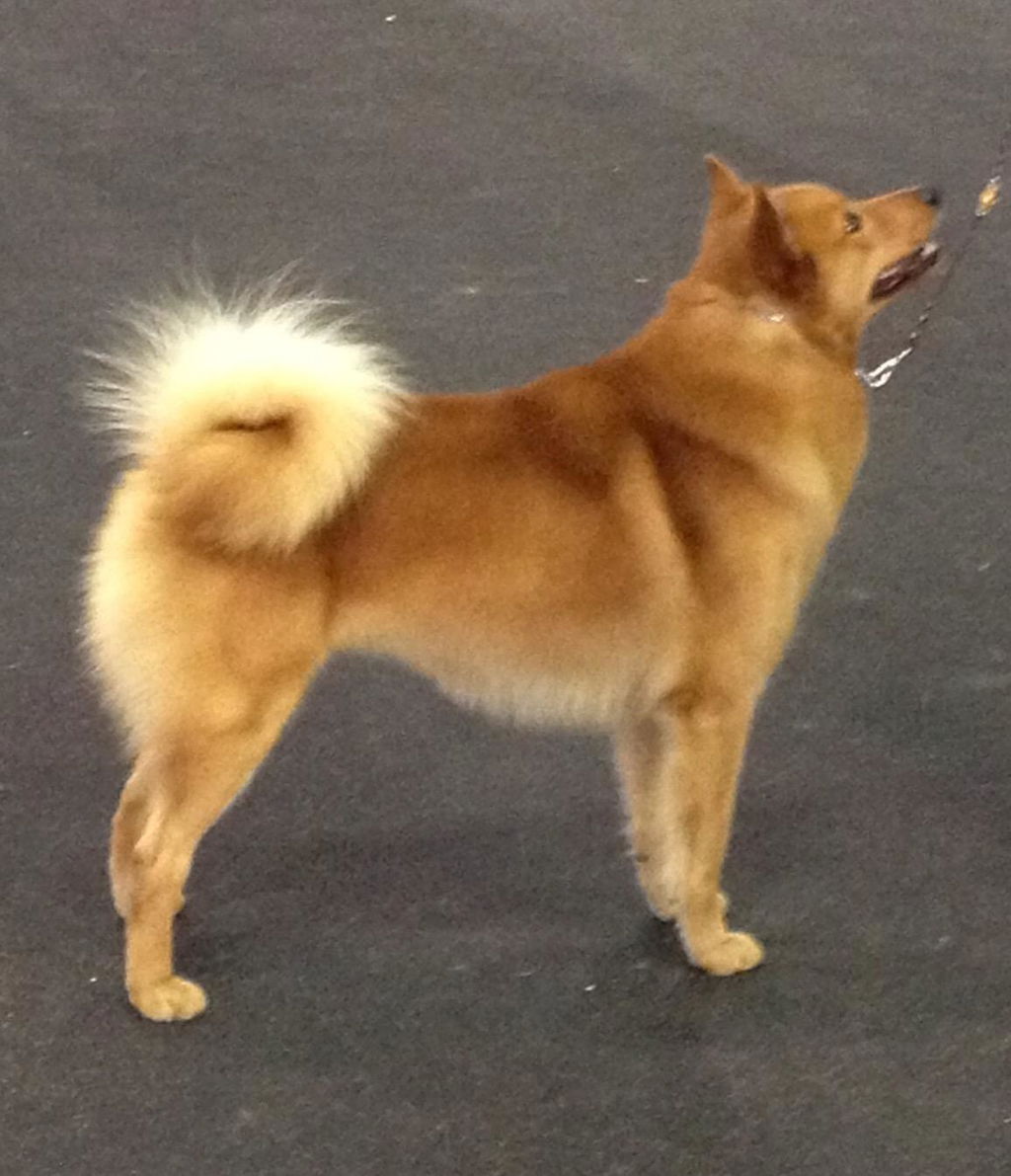
Double-Coated Breeds (e.g. Huskies, Golden Retrievers, German Shepherds)
Bathing Frequency: Every 6–10 weeks
The undercoat does the insulating and dirt-repelling on its own, so these dogs don't need frequent baths unless they're genuinely dirty or smelly. During a heavy shed, though, a bath helps loosen and release dead undercoat faster than brushing alone.
Cindra Tip: Reach for our Moisture shampoo during seasonal shed windows, and dry completely — trapped moisture under a dense coat is how hot spots start.

Long-Haired Breeds (e.g. Shih Tzus, Yorkies, Afghan Hounds)
Bathing Frequency: Every 2–4 weeks
Long coats pick up debris constantly and tangle quickly, so routine bathing and conditioning aren't optional if you want to avoid mats and breakage.
Cindra Tip: A gentle detangling conditioner at bath time, plus leave-in sprays between washes, keeps the coat soft and manageable day to day.
Hairless or Low-Fur Breeds (e.g. Xoloitzcuintli, Chinese Crested)

Bathing Frequency: Every 1–2 weeks
Without fur to buffer it, skin oil and debris build up directly on the surface, so these breeds need more frequent bathing to avoid clogged pores and irritation.
Cindra Tip: Stick to ultra-mild, moisturizing formulas made for sensitive skin and follow with a dog-safe lotion or balm.
A Few More Things That Matter
- Stick to dog-specific products — human shampoo sits at the wrong pH for a dog's skin and can leave it irritated.
- Brush before the bath. Removing tangles and loose debris first means the shampoo actually reaches the skin instead of sitting on top of mats.
- Dry completely, especially on long-haired or double-coated dogs — damp coat left to air-dry on its own is a common cause of skin issues.
- Keep a few treats on hand. A bath that ends well is a bath the dog tolerates better next time.
Why I Built Cindra This Way
Every bathing window above comes from time spent at the grooming table, not a chart I copied from somewhere. I built Cindra around the idea that a coat gets a routine matched to what it actually needs — not a one-size-fits-all bottle. My shampoos, conditioners, and grooming accessories are made with ingredients I'd use on my own dogs, because healthy coats start at home, between professional grooms.
Shop the full collection of coat-type-specific grooming products at www.cindra.net.

By Tasha Mesina
Owner of Cindra Grooming Products, Certified Master Groomer and AKC Herding Judge with over two decades of hands-on grooming experience across coat types.