By Tasha Mesina, Cindra Grooming Products
A finishing spray is one of those products that separates a coat that looks good from one that looks finished. It is not about adding shine or fragrance — it is about structure, lift, and control at the final stage of grooming. Once you understand what a finishing spray is actually doing, it becomes one of the most useful tools at the grooming table.
Quick Answer
- A coat finishing spray is a leave-in product used after drying to add lift, texture, and structure to the coat.
- It is not a conditioner, a shine spray, or a detangler — it serves a different purpose than any of those.
- Application technique matters as much as product choice — less is almost always more.
- Most useful for show dogs, coated breeds, and any coat that needs body, definition, or topline correction.
What Is a Dog Coat Finishing Spray?
A finishing spray is a leave-in product applied to the coat after bathing and drying — or during routine grooming between baths — to refine structure, add body, and prepare the coat for its final presentation. It is the last step in the grooming process, not the first, and it is not designed to substitute for any part of the bath routine.
The distinction matters because finishing sprays are often confused with other products. A conditioner is designed to hydrate and soften. A detangler helps loosen knots and makes brushing easier. A shine spray adds surface gloss. A finishing spray does something different: it builds structure in the coat — lift in the body, definition along the outline, firmness in the rough — without adding weight, residue, or stiffness.
When a finishing spray is working correctly, you should not really be able to see it in the coat. What you should see is a coat that has more body and holds its shape better than it did without it. The spray should disappear; only the result should be visible.
What Problems Does a Finishing Spray Actually Solve?
Even a well-bathed, well-dried coat can lose structure and balance by the time grooming is finished. Some of this is just physics — drying, brushing, and handling all affect how the coat sits. A finishing spray gives you back some control at the end of the process.
The most common situations where I reach for a finishing spray: a coat that dries flat — double-coated breeds and heavy-coated dogs sometimes lose fullness after the dryer, and a finishing spray helps restore body and lift, especially over the topline and rear. Flyaways and static — fine or soft coats can develop static during drying, and a light application settles the coat without making it heavy. A rough or outline that won't hold shape — when scissoring or tidying, a small amount of finishing spray lets you work with the coat rather than against it. Between baths — a finishing spray can refresh a coat's appearance and manageability without washing it, which matters for dogs being maintained between show baths. Topline correction — a well-applied finishing spray with some backcombing can add apparent fill to a topline that is lacking, which show handlers rely on regularly.
Finishing Spray vs. Coat Dressing vs. Conditioner
These terms get used interchangeably in some grooming contexts and they should not. Each product does something distinct.
Conditioner: hydration, softening, and repair, used during the bath as a rinse-out or leave-in, leaves behind moisture, slip, and softness.
Coat dressing: protection and shine during maintenance, used between baths or in daily maintenance, leaves behind light coat coverage and some moisture.
Finishing spray: lift, texture, structure, and presentation, used after drying or before showing, leaves behind body and definition — nothing visible.
Shine spray: surface gloss, used after grooming for visual polish, leaves visible sheen on the coat surface.
The reason this matters practically is that using the wrong product at the finishing stage can undermine everything that came before it. A heavy conditioner applied at the end adds weight and softens structure. A silicone-heavy shine spray creates buildup over time and can make the coat feel coated rather than clean. A true finishing spray should leave the coat feeling like itself — just better.
Which Dogs Benefit Most From Finishing Sprays?
Any dog with a coat that needs structure or definition can benefit from a finishing spray, but the application and what you are trying to achieve varies significantly by coat type.
Show Dogs
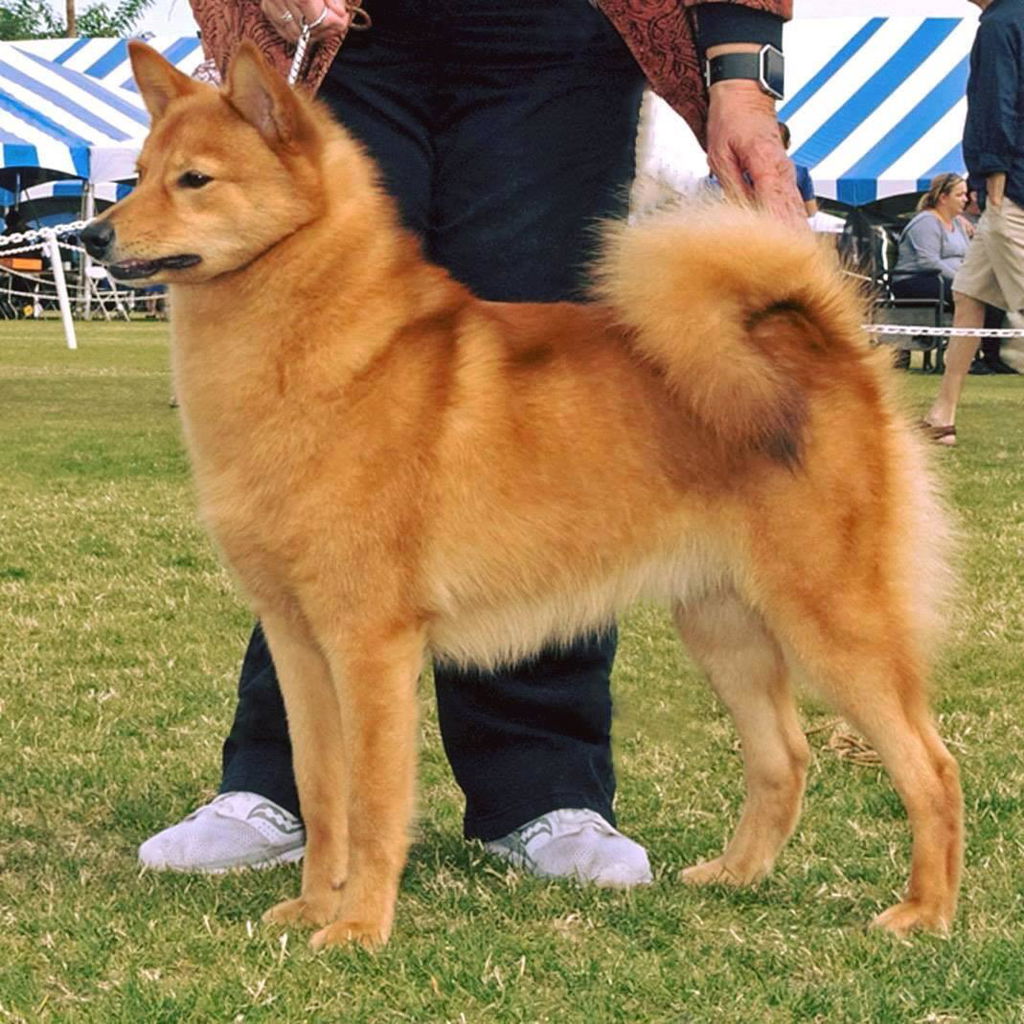
This is where finishing sprays earn their keep. In the ring, a coat needs to hold its shape under movement, present a clean outline, and look natural — not over-groomed. A finishing spray applied correctly before the show and touched up ringside gives handlers the control they need to present a coat at its best without it looking sprayed. The goal is always a coat that looks like it grew that way.
Double-Coated Breeds
German Shepherds, Samoyeds, Chow Chows, and similar breeds can lose fullness and lift in the outer coat after high-velocity drying. A finishing spray helps restore that stand-off and body, especially useful if the dog is being shown or photographed. For double coats, application from underneath — lifting the coat and misting from below — tends to work better than spraying directly on top.
Terrier Coats and Wire Coats
Hand-stripped and wire coats benefit from a finishing spray that supports texture without softening the guard hairs. The goal with a terrier is typically a harsh, close-lying outer coat — so the finishing spray needs to add body without conditioning the texture out. This is where product choice really matters; a spray with heavy conditioners will work against the coat rather than with it.
Long and Silky Coats
Breeds like Yorkshire Terriers, Maltese, and Afghan Hounds need a different approach entirely. With a coat designed to fall and flow, the finishing spray is about static control, smoothness, and manageability rather than lift and volume. A light mist from a distance, followed by gentle brushing, is usually all that is needed.
Coats Being Maintained Between Baths
For any dog being kept in between show baths, a finishing spray used during routine brushing helps maintain coat condition and appearance without adding weight or buildup over time — provided you are using a product that does not leave residue.
How to Apply a Finishing Spray Correctly
Technique matters here more than most people expect. The most common mistake is applying too much — a finishing spray used heavily becomes a finishing problem, leaving the coat sticky, heavy, or visibly coated.
The general approach: start with a fully dry coat, since applying finishing spray to a damp coat changes how it behaves. Mist lightly from a distance of 10–15 cm — a fine, even mist, not a direct stream. Work in sections, applying to one area at a time and brushing through before moving on. For volume and lift, spray from underneath — lifting the coat and misting underneath builds body from the base rather than weighing the top down. Use a brush to work the product through, since a finishing spray applied and left to sit does not give the same result as one that's brushed through. For topline correction or backcombing, apply a little more to the specific area and work it in with your fingers or a fine-tooth comb before brushing smooth over the top.
Less is more — always. If you can see the finishing spray in the coat, you have used too much. A visible residue, stiffness, or a crunchy texture means either the product has heavy ingredients or the application was too heavy. Start with less than you think you need. You can always add; you cannot easily take away.
What to Look for in a Professional Finishing Spray
Not all finishing sprays are built the same way, and the difference shows in the coat. A product that works well should add body and lift without adding visible weight or residue, leave the coat feeling like itself — brushable, flexible, and natural — work with the coat's existing texture rather than changing it, not build up with repeated use, and be safe for frequent use across different coat types.
The ingredients to be cautious about are heavy silicones and wax-based compounds. These can look impressive on first application but tend to build up in the coat over time, attract dust and debris, and eventually make the coat look dull and coated rather than clean and defined. A good finishing spray should leave nothing behind except structure.
Super Coat — Cindra's Finishing and Volumizing Spray
When I need a finishing spray that adds genuine lift and texture without changing what the coat actually is, Super Coat is what I reach for. It is formulated to build body and definition in the coat while keeping the result completely natural — no stiffness, no residue, nothing that looks like it was sprayed on.
Cindra Super Coat is a lightweight volumizing finishing spray formulated for professional use. It builds lift, texture, and body without silicones, parabens, or sulfates, and works across coat types — particularly effective for show preparation, topline correction, backcombing, and wire or coarse coats that need structure without softening.
It works especially well for backcombing and teasing, correcting toplines, and adding fullness to coats that have gone flat after drying. Because it is silicone-free, it does not build up with repeated use — which matters for dogs being shown regularly and groomed often.
Final Thoughts
A finishing spray is one of those tools that is easy to misuse and genuinely useful when you understand what it is for. It is not about making a coat look artificially perfect — it is about giving you control at the final stage of grooming so the coat presents at its best. Used lightly, applied correctly, and with the right formula for the coat type, it is one of the most efficient finishing tools in the grooming kit.
The key is knowing what you are trying to achieve before you reach for it. More body? Spray from underneath. Topline correction? Work product in and backcomb. Static and flyaways? A fine mist and a brush. Ringside touch-up? Light application and hands-on finishing. Once you have the technique, the product does the rest.
Frequently Asked Questions
What is a dog coat finishing spray? A finishing spray is a leave-in grooming product applied after drying to add lift, texture, and structure to the coat. Unlike conditioners or shine sprays, it is designed to build body and definition without leaving visible residue or altering the coat's natural texture.
When should I use a finishing spray? After the coat is fully dry — either immediately after bathing or during routine grooming between baths. It is also used ringside before showing, during scissoring to help the coat hold shape, and for topline correction or backcombing work.
What is the difference between a finishing spray and a conditioner? A conditioner hydrates and softens the coat and is typically used during or after the bath. A finishing spray is used after the coat is dry and is designed to add structure, lift, and body rather than moisture or softness. Using a conditioner at the finishing stage adds weight and undermines coat structure; the two products serve different purposes.
Can I use a finishing spray between baths? Yes — and for show dogs or dogs in regular grooming maintenance, this is one of the most common uses. A good finishing spray can refresh coat appearance and manageability between baths without washing or adding buildup, provided the formula does not contain heavy silicones or waxes.
How much finishing spray should I use? Less than you think. If the coat feels stiff, crunchy, or looks visibly coated, too much was applied. Start with a light mist from a distance, brush through, and assess before adding more. A finishing spray used correctly should be invisible in the coat — you should only see the result, not the product.
Is finishing spray safe for all coat types? Most professional finishing sprays are formulated to work across coat types, but the application and what you are trying to achieve varies. Double coats benefit from underneath application for lift. Silky coats need a lighter hand and more distance from the bottle. Wire and terrier coats need a formula that does not soften the guard hair texture. Always test on a small section first if you are using a new product on a coat type you are unfamiliar with.

Written by Tasha Mesina
Tasha Mesina is the owner of Cindra Grooming Products and works hands-on in dog grooming product development, coat care education, and breed-specific grooming solutions. Her approach is grounded in real grooming practice, show-dog standards, and helping owners support skin and coat health without compromising texture, structure, or function.