Double coat grooming
Double coats are designed for airflow, insulation, and protection. When grooming supports that design, shedding becomes more predictable, drying gets easier, and the coat keeps its natural lift and texture. When grooming fights the design, the coat starts to misbehave.
What Makes a Double Coat Different
A double coat has two working layers. The outer coat (guard hair) provides protection and weather resistance. The undercoat provides insulation and helps regulate temperature. Those layers only work when the coat can separate and breathe.
Quick check: if your dog blows coat seasonally, has a plush undercoat under longer guard hair, or takes forever to dry when product builds up, you are probably dealing with a double coat.
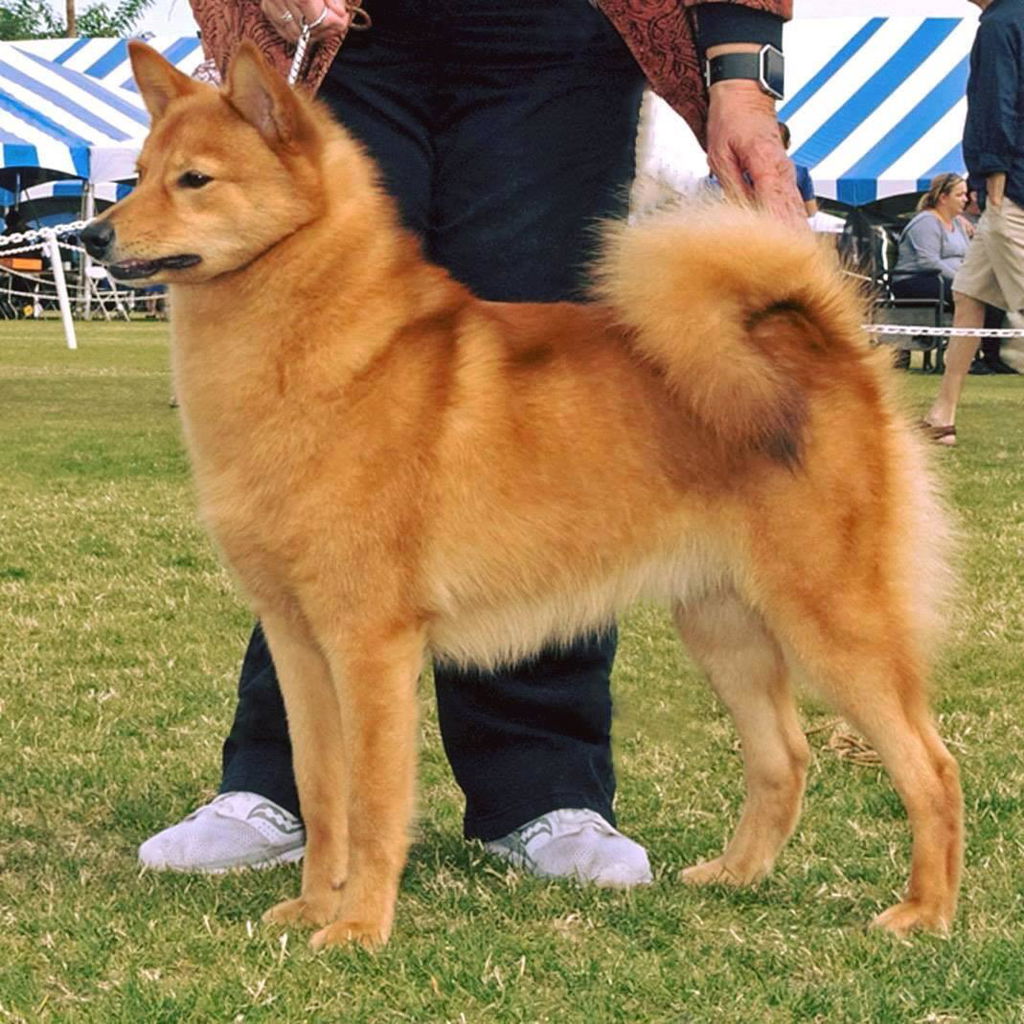
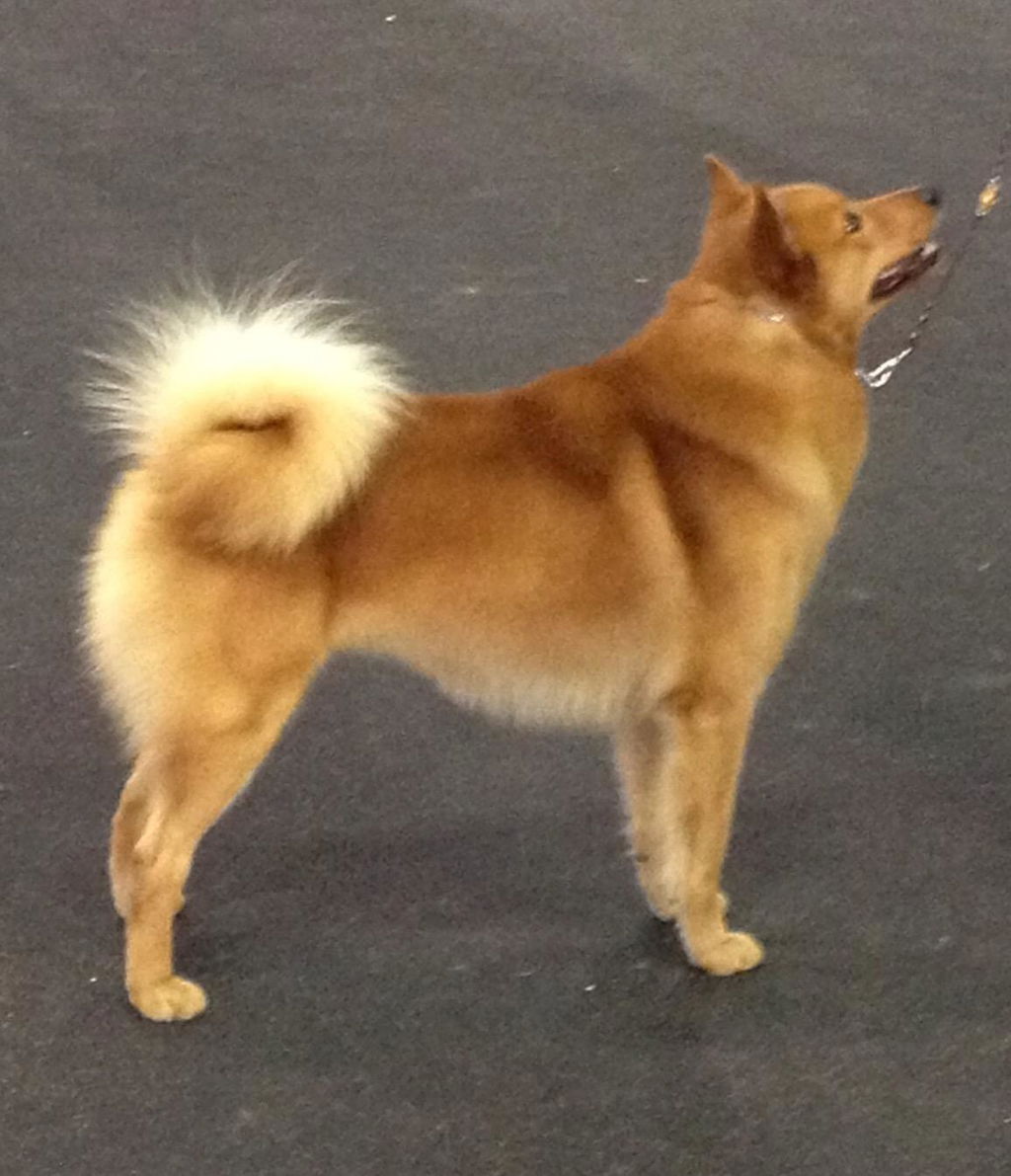
Double-coated breeds include many retrievers, shepherds, spitz types, and working dogs. The goal is not fluff. The goal is clean skin, correct separation, and coat behavior that stays stable between baths.
If you want a broader breakdown of shampoo selection by coat behavior, this guide helps: How to choose dog shampoo by coat type.
The Mistakes That Cause Coat Collapse
1) Over-conditioning
Heavy conditioners and residue-forward formulas can weigh down guard hair and trap moisture close to the skin. The coat feels soft, but it dries slower, loses lift, and starts to pack.
2) Incomplete rinsing
Double coats hide product. If you rinse until the water runs clear and stop, you often leave residue behind. Rinsing to clean skin level is what restores separation.
3) Bathing without dilution
Concentrated product can sit on the coat and never fully distribute to the skin. Dilution helps the shampoo reach the roots, cleanse evenly, and rinse cleaner.
4) Skipping drying technique
Double coats do not finish correctly if they air dry. Proper drying restores separation, prevents damp undercoat, and reduces that heavy, greasy feel that shows up after a day or two.
If seasonal shedding is your main pain point, pair this routine with: Managing seasonal shedding in dogs.
Clean Versus Coated
This is where a lot of people get misled. A coat can feel silky and smell strong, while still being coated in residue. Fragrance is not the same as clean. Shine is not the same as healthy.
Signs a coat is clean
- Skin feels clean, not waxy
- Coat separates naturally when dried
- Drying time is reasonable
- Texture matches the breed
Signs a coat is coated
- Heavy feel at the roots
- Coat dries slowly or stays damp underneath
- Looks shiny but feels sticky or greasy after a day
- Texture collapses and loses lift
If you want the core philosophy behind how Cindra approaches this, read: Coat-Safe Philosophy.
A Simple Double Coat Bathing Routine That Works
Step 1: Wet to the skin
Double coats repel water. Take an extra minute to fully saturate to skin level before applying product.
Step 2: Use diluted shampoo and work in sections
Dilution helps the shampoo reach the roots and rinse cleaner. Work in sections so the skin gets attention, not just the topcoat.
Step 3: Rinse longer than you think
This is the difference-maker. Rinse until the coat feels free, not slick. Then rinse a little more.
Step 4: Condition with intention
Double coats usually need targeted conditioning, not heavy coating. Focus on friction zones, not the entire coat by default.
Step 5: Dry for separation
Towel blot, then dry thoroughly. Proper drying restores lift, prevents damp undercoat, and helps shedding release cleanly.
Browse our full grooming bundles to find a routine built for structure and coat behavior, not chase temporary softness. If your dog is a seasonal shedder or a heavy-coated working breed, this is the easiest way to stay consistent.
Conditioner Without Coat Collapse
Double coats often get lumped into two extremes: “never condition” or “condition everything.” Neither is consistently correct. The goal is controlled moisture, targeted protection, and a finish that still dries with separation.
When conditioner helps
- Friction zones: ruff, pants, tail, behind ears
- Dry ends or breakage from brushing
- Dogs that get chalky, brittle texture after cleansing
- Coats that snag during drying or line brushing
In these cases, conditioner is coat protection, not softness.
When conditioner causes problems
- Applied at the roots and undercoat by default
- Not diluted or not rinsed completely
- Used to “fix” a coat that is actually coated in buildup
- Creates slow drying and a heavy feel within 24–48 hours
If drying time increases, you are usually leaving too much behind.
A simple conditioner rule for double coats
Condition friction areas and ends first. Avoid coating the roots unless you have a specific reason. Rinse until the coat feels free, not slick. The goal is protection without residue.
If you want deeper context on why buildup happens and how to avoid it, this transparency piece is worth reading: Transparency and the grooming industry.
Tools That Help Double Coats Behave
Not every double coat needs the same finish. Some coats collapse easily. Some need help with lift and separation. These are tools I reach for when I want the coat to dry correctly and hold structure without feeling sticky.
Texturizing Shampoo
Use this when a double coat feels heavy, flat, or too soft from buildup or over-conditioning. It supports cleaner texture, better separation, and a more correct finish.
Moisture Plus Conditioner
Balanced conditioning for targeted use. Helps protect high-friction areas without collapsing lift or coating the undercoat.
Super Coat
A finishing tool for lift, volume, and coat control. Helpful for coats that collapse as they dry, or when you want a clean, structured finish without over-styling.
Double Coat Grooming FAQs
How often should I bathe a double-coated dog?
Most double coats do well on a consistent schedule that matches lifestyle, season, and skin needs. The bigger issue is not frequency. It is whether you are rinsing clean and drying thoroughly so the undercoat stays healthy.
Does bathing increase shedding?
A correct bath and dry often releases undercoat that was ready to shed. That can feel like more shedding, but it is usually productive. The goal is clean release, not trapped undercoat.
Do double coats need conditioner?
Sometimes. Many double coats do best with targeted conditioning rather than heavy all-over application. Focus on friction areas and ends, and avoid coating the roots unless you have a specific reason.
Should I shave a double-coated dog to help shedding?
Shaving can disrupt how the coat protects and regulates temperature, and it often changes regrowth texture. If shedding is the issue, the better fix is a skin-level cleanse, proper drying, and routine brushing with the right tools.
About the Author

Tasha Mesina is the owner of Cindra Grooming Products and a professional groomer with show-dog standards. Her work focuses on coat behavior, balanced routines, and long-term coat health that holds up between baths.