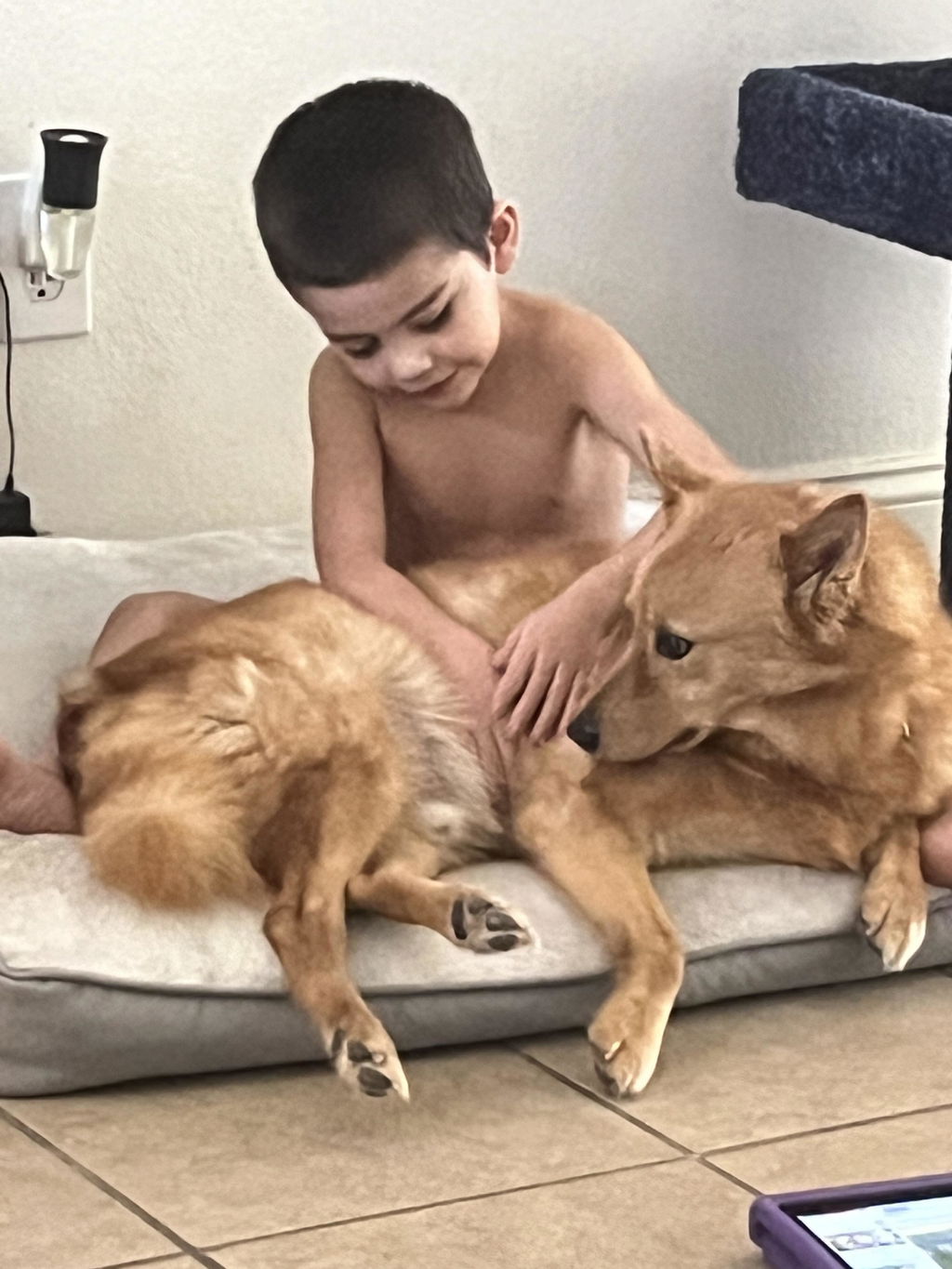
Comfort, routine, protection, and a few very practical reasons people do not always say out loud.
What you will get from this post
- The comfort reason
- Bonding and belonging
- Safety and protection
- What sleep research actually says
- When it is not a good idea
- How to make it work without wrecking your sleep
- The hygiene piece nobody wants to talk about
- FAQs
In an American Academy of Sleep Medicine survey, nearly half of respondents said they sleep in the same bed with a pet, and many reported sleeping better with their pet. Source
1) The comfort reason
People sleep with their dogs for the same reason they keep a weighted blanket, a familiar pillow, or a fan that makes the exact right noise. Dogs create a steady presence. They breathe. They settle. They are warm. They are predictably there.
For a lot of people, that steady presence is the difference between lying awake and actually switching off. It is not dramatic. It is nervous system math. Calm next to calm.
2) Bonding and belonging
Dogs are social sleepers. Humans are social sleepers. That overlap is the whole story. When your dog chooses your bed, many people read it as trust. When you allow it, your dog reads it as belonging.
This is also why the habit is so hard to change. It is not just a sleep setup. It is a relationship ritual.
Why it feels so normal so fast
- Routine: Dogs love repeating patterns. Bedtime is the easiest one to lock in.
- Contact: Gentle pressure and proximity are soothing for many dogs and many people.
- Co-regulation: One calm body helps another calm body settle.
3) Safety and protection
Some people sleep with their dogs because it feels safer. Not because the dog is a guard dog, but because dogs notice things. They hear what you do not. They move when something changes.
Even if your dog is not doing “protection work,” that alertness can make people feel less alone at night.
4) What sleep research actually says
The research is not one-sided. Some expert summaries note that pets can disrupt sleep, especially if they move a lot, have different sleep cycles, or bring allergens into close contact. Source
At the same time, many people report sleeping better with a pet, and survey data shows a large number of bed-sharing owners feel their pet improves sleep. Source
A useful nuance
A Mayo Clinic study using activity trackers found that having a dog in the bedroom can be compatible with good sleep efficiency, but people tended to sleep worse when the dog was on the bed versus simply in the room. Source
Translation: if you love your dog near you but your sleep is struggling, moving them from the bed to a dog bed in the bedroom can be the middle path.
5) When it is not a good idea
There is no single rule for every household. There are, however, a few situations where bed-sharing is worth reconsidering.
Allergies or asthma
Sleeping with a pet can increase exposure to dander for hours at close range. If you have allergy or asthma symptoms at night, this is a common trigger to troubleshoot. Source
Light sleepers
If you wake easily, a dog shifting position, licking, scratching, or hopping on and off can fragment sleep. If your morning feels worse, your routine is not working yet. Source
Parasites and outdoor exposure
Ticks and fleas are a logistics issue. If your dog is outdoors often, keep prevention up to date and check the coat before bed.
Relationship tension
If bed-sharing causes conflict with a partner, it stops being a comfort routine. Build a compromise that protects sleep for everyone.
6) How to make it work without wrecking your sleep
If you want to keep your dog close, you do not need to choose between “dog in the bed” and “never again.” Most people find a workable middle once they tighten the routine.
Practical adjustments that help quickly
- Give your dog a defined spot: a blanket at the foot of the bed or a dog bed right next to you.
- Sync bedtime: a short potty break and a calm settle routine reduces midnight wandering.
- Manage nails and paws: nails clicking and scratching is a sleep killer, and it is fixable.
- Reduce nighttime licking: frequent licking can signal discomfort or habit. If it is persistent, it is worth addressing.
- Try “in the room” first: if your sleep is struggling, this is the simplest experiment. Source
7) The hygiene piece nobody wants to talk about
This is the part that quietly decides whether sleeping with your dog feels cozy or gross. If your dog shares your bed, the coat routine matters. Not for perfection. For comfort.
Most “my dog smells even after a bath” problems come down to rinse-out, buildup, or a routine that is too heavy for the coat type. If you want the practical breakdown, start here.
Helpful links on the Cindra site

FAQs
Is it healthy to sleep with your dog?
For many people, it can be fine. The deciding factors are sleep quality, allergies, and hygiene. If your sleep is being disrupted, consider moving your dog to a bed in your bedroom. Source
Do dogs like sleeping with humans?
Many dogs do. Dogs are social sleepers and tend to prefer being near their people, especially at night.
Why does my dog have to touch me while sleeping?
Contact can be soothing. Some dogs also do it because it became part of the bedtime routine.
What if I want to stop bed-sharing?
Treat it like a routine change, not a rejection. Give your dog a comfortable spot in the bedroom, keep the bedtime pattern consistent, and reinforce the new habit calmly.
About the Author