Grooming the Giant Schnauzer


The Giant Schnauzer coat is a functional, structured coat designed for durability and protection. Grooming is not about creating softness, but about maintaining the balance between the harsh outer coat and insulating undercoat while preserving outline and manageability over time.

Coat

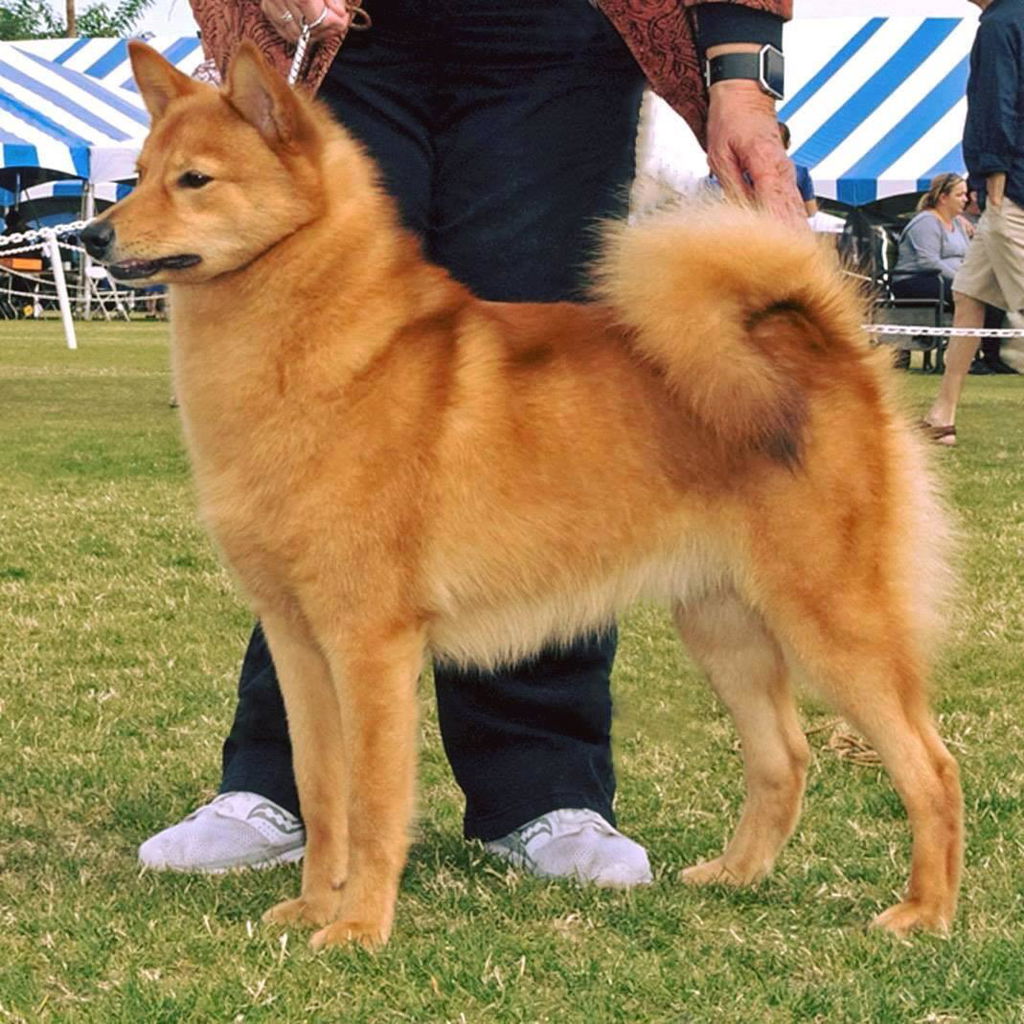
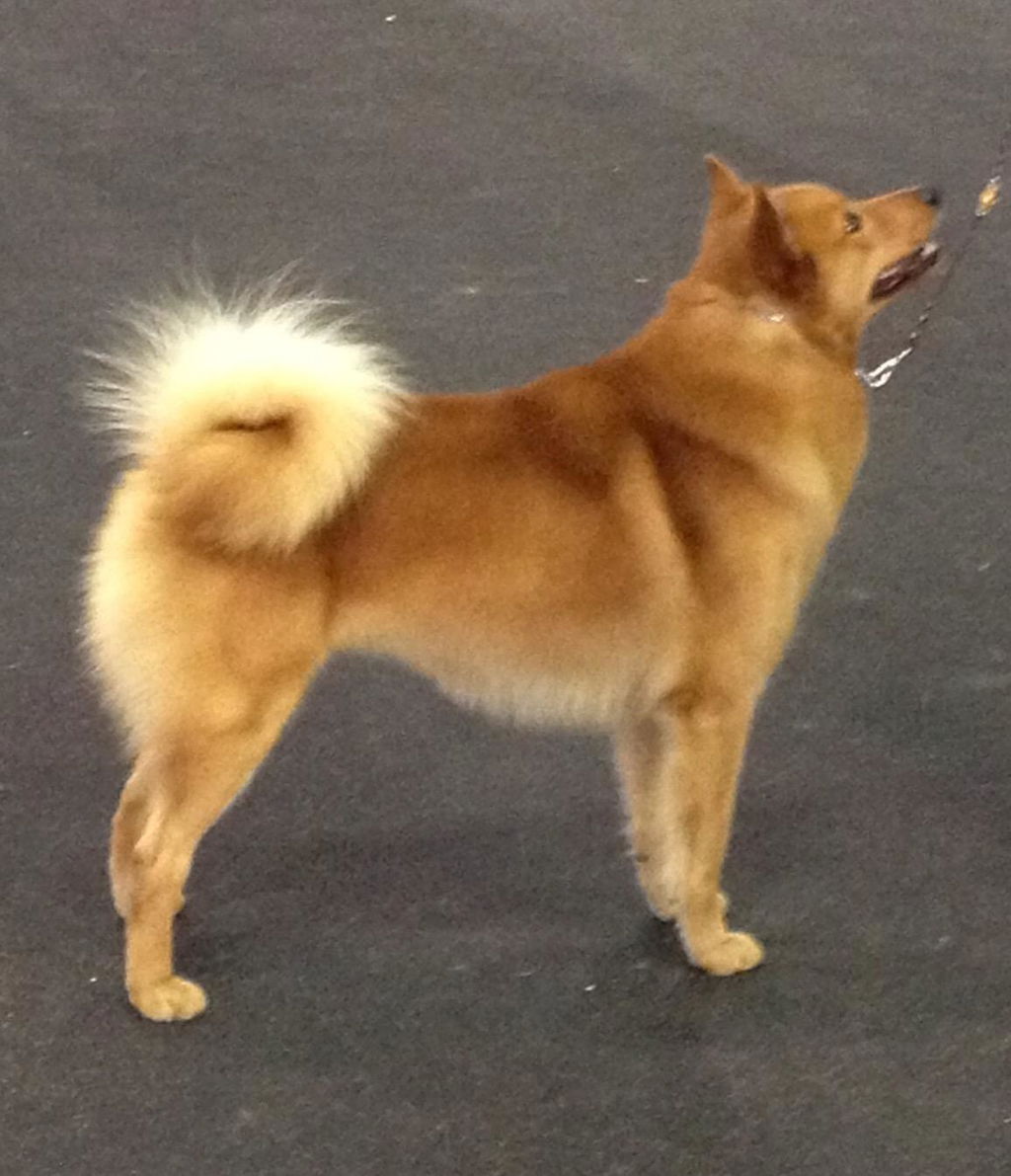
The Giant Schnauzer coat consists of a dense undercoat and a harsh, wiry outer coat that should remain firm and slightly lifted from the body. This structure protects the dog while supporting a clean, defined outline.

Furnishings—including the beard, legs, and eyebrows—are naturally softer but still require control and balance. Proper grooming ensures these areas remain full without becoming overly soft or heavy.

Character

The Giant Schnauzer is an intelligent, confident, and highly aware working breed. They are naturally alert and tend to stay engaged with their environment, often noticing small changes around them.

They are known for their strong presence and steady temperament. This is a breed that carries itself with purpose, showing both independence and responsiveness depending on the situation.

Giant Schnauzers are typically loyal and focused, with a level of intensity that reflects their working background. They do best with clear structure and consistency, as they tend to learn patterns quickly and respond to predictable environments.

Their combination of awareness, strength, and intelligence gives them a distinct, purposeful character that sets them apart from more passive or easygoing breeds.

Common Coat Problems & Solutions

Problem Solution
Soft coat Reset using Cleansing Shampoo and rebuild structure with Texturizing Shampoo.
Flat coat Finish with Texturizing Mist to restore lift and separation.
Weak furnishings Use Moisture Plus and maintain with Maxi Care.
Uncontrolled furnishings Use Sculpting Gel to shape and control beard and legs.
Unstructured outline Use Super Coat and refine with Sculpting Gel.

Hands-On Grooming Guide

Grooming a Giant Schnauzer is not about achieving a temporary result. It is about maintaining a system over time. The coat responds directly to how it is handled, and small, repeated grooming habits determine whether the coat improves or degrades.

A correct grooming routine supports structure in the outer coat, balance between the coat layers, and consistent regrowth. When those three elements are maintained, the coat holds its form, resists the environment, and presents correctly. When they are ignored, the coat softens, flattens, and becomes difficult to manage.

Evaluating the Coat

Before beginning, evaluate the coat honestly. Run your hands across the jacket. A correct coat will feel firm, slightly resistant, and dense without feeling heavy. If the coat feels silky, overly smooth, or soft, it has already been altered by grooming habits.

Look for layering within the coat. A properly maintained coat will have multiple lengths of growth, particularly if it has been stripped or maintained consistently. A flat, uniform coat typically indicates clipping or improper maintenance.

Check the furnishings separately. The beard, legs, and eyebrows should feel softer than the jacket but still have body and structure. Limp, stringy furnishings are often a sign of imbalance in conditioning or grooming technique.

Preparation

Preparation is one of the most important steps. Begin with a full brush-out using a slicker or appropriate tool. Work down to the skin in sections using a line brushing technique. Surface brushing does not prepare the coat properly and leaves debris and undercoat behind.

Pay close attention to the furnishings. These areas collect debris and moisture and must be fully separated before bathing.

Bathing Process

Start with a thorough pre-rinse to fully saturate the coat. This allows shampoo to distribute evenly and reach the skin.

Begin with a reset using Cleansing Shampoo to remove buildup, oils, and residue. Rinse thoroughly, then follow with Texturizing Shampoo to support structure and maintain the coat’s natural resistance.

Always dilute your shampoo. This ensures even coverage and prevents overloading the coat.

Conditioning Approach

Conditioning must be controlled. Apply Moisture Plus Conditioner only to the furnishings. Do not apply conditioner to the jacket. This preserves the harsh outer coat and prevents softening.

Rinsing

Rinse thoroughly until the coat feels clean and light. Residue is one of the fastest ways to damage coat structure.

Drying

Blot dry with a towel. Do not rub. Use airflow to lift the coat while brushing lightly to separate layers.

Use Maxi Care sparingly on furnishings if needed for brush glide.

Line Brushing

Work in sections from the skin outward. This prevents compaction and maintains coat balance.

Stripping vs Clipping

Hand-stripping maintains coat structure and regrowth cycles. Clipping softens the coat over time as the undercoat becomes dominant.

Finishing

Apply Texturizing Mist to support structure and Super Coat to refine outline and presentation.

Maintenance

Daily brushing, weekly checks, and consistent routines maintain coat integrity. The coat reflects how it is handled over time.

Seasonal Coat Changes

The Giant Schnauzer does not shed in the same way as many double-coated breeds. Instead of dropping coat all at once, the coat grows continuously and cycles gradually over time. Without regular grooming, older coat remains in place, which can affect both texture and structure.

This retained coat can make the jacket feel heavier and reduce the natural lift of the outer coat. It can also interfere with separation, making the coat appear flat or dense instead of structured. In many cases, what looks like a “thick” coat is actually a combination of new growth and older coat that has not been properly removed.

During seasonal transitions, particularly in the spring and fall, the amount of loose or ready-to-release coat often increases. This does not always show up as visible shedding. Instead, it presents as a change in how the coat feels and behaves during grooming. The coat may feel heavier, less responsive, or more difficult to lift.

Regular brushing, bathing, and overall maintenance during these periods help maintain balance within the coat. Using a proper reset during these times becomes especially important. A thorough cleanse with Cleansing Shampoo helps remove buildup and older coat residue, followed by Texturizing Shampoo to restore structure and responsiveness.

When the coat is managed consistently, airflow between layers is maintained, new growth comes in cleanly, and the overall structure remains stable and easier to work with.

Puppy vs Adult Coat

Puppy coats in Giant Schnauzers are noticeably softer, lighter, and less structured than the adult coat. At this stage, the coat has not yet developed the harsh outer layer that defines the breed. The primary focus during this period should be on establishing grooming habits rather than trying to force structure too early.

As the dog matures, the coat gradually transitions in both texture and density. The adult coat develops over time, and this process can vary depending on genetics, grooming routine, and overall coat management. During this transition, consistency is more important than intensity.

Introducing regular brushing, bathing, and handling early helps the dog become comfortable with the grooming process. Gentle maintenance using products like Maxi Care can help with brush glide and prevent breakage without over-softening the coat during this stage.

Once the adult coat begins to come in, grooming should shift toward maintaining structure rather than simply maintaining cleanliness. This includes transitioning into a structured bathing routine using Cleansing Shampoo followed by Texturizing Shampoo. while keeping conditioning limited to furnishings with Moisture Plus Conditioner.

Establishing correct habits early makes long-term maintenance significantly easier and more predictable.

Grooming Schedule

  • A consistent grooming schedule helps maintain coat structure and prevents problems from developing over time. Rather than relying on occasional intensive grooming sessions, regular maintenance keeps the coat balanced and responsive.

    Brushing should be done several times per week, focusing on reaching the skin and maintaining separation in both the jacket and furnishings. Line brushing is especially important to prevent compaction and buildup.

    Furnishings, including the beard and legs, should be maintained throughout the week as needed. Light brushing combined with a small amount of Maxi Care helps reduce breakage and maintain manageability without adding unnecessary weight.

    Bathing is typically done every 4–6 weeks, depending on the dog’s environment and activity level. A structured bathing routine is key. Begin with Cleansing Shampoo to remove buildup, followed by Texturizing Shampoo to support coat structure. Conditioning should be limited to furnishings using Moisture Plus Conditioner.

    Drying should always follow a bath and should focus on lifting the coat and maintaining separation. During finishing, Texturizing Mist can be used to reinforce structure, while Super Coat helps refine outline. For additional control in detailed areas like the beard and legs, Sculpting Gel can be applied lightly.

    Coat evaluation should be ongoing. Regularly assessing how the coat feels and responds allows adjustments to be made before problems develop. A consistent schedule makes the grooming process more efficient and supports long-term coat quality.