
I’m absolutely in love with this conditioner. It is *exactly* what I want for my German Shepherds’ coats. I washed with the moisturizing shampoo, blew out the coat to open it up, and brought it to the the point of slightly wetter than damp. Back brushed while applying this conditioner with a spray bottle, and then finished drying. It’s not greasy, it doesn’t leave any film or residue, it gently softens the coat without destroying texture, it’s hydrating, it’s super easy to use, and it has a nice scent that isn’t overpowering. I really liked the volume I was left with on one of my naked dogs, and how well the individual hairs separated as I dried. Zero frizz at all. I’ll be buying an entire gallon next time I order.
Very happy with this product and how it leave the dogs coats!
Was really excited to see Cindra back on the market after all these years. I bought the moisturizing shampoo as well as this conditioner. I was hoping to find a replacement for my Artero protein conditioner as that stuff, much as I love it, is expensive. Unfortunately, this missed the mark for me.
I do not care for the fragrance. It smells “old”. While this product does rinse very cleanly and miraculously doesn’t increase drying time, I was less than impressed with the texture of my dogs’ coats (I breed and show German Shepherds). I don’t want a soft coat, but I do want a conditioner to soften very slightly. This product didn’t do that.
Another problem I had is that my dogs didn’t look “finished” as I blew them out. Their individual hairs didn’t separate very readily and gave the appearance of being frizzy and still wet. It’s like they were caught outside on a humid day. The Artero leaves a much nicer finish on their coats.
I gave it a three because I did like how easily it rinsed out and that it didn’t impact drying time. It’s otherwise a miss for me and I won’t be purchasing it again.
I love it! Works perfectly on my dogs’ coat.
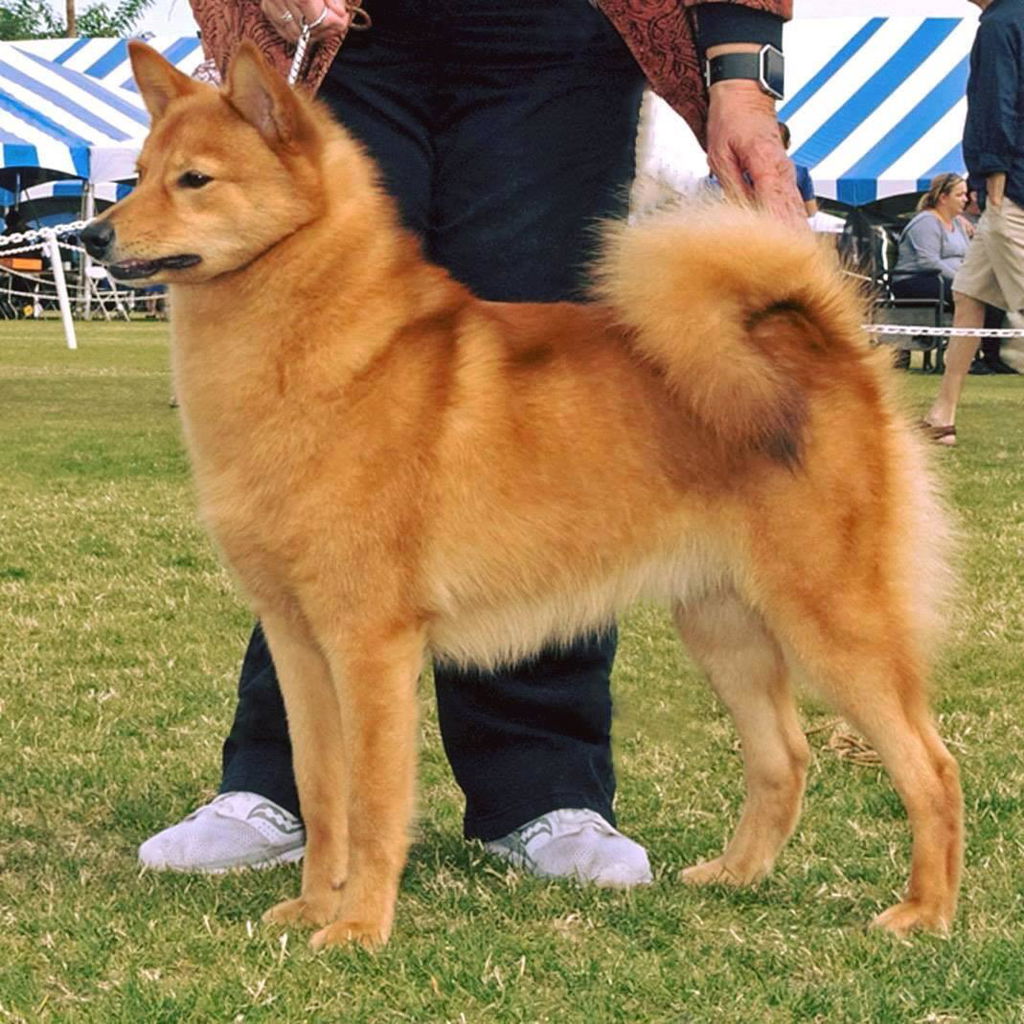
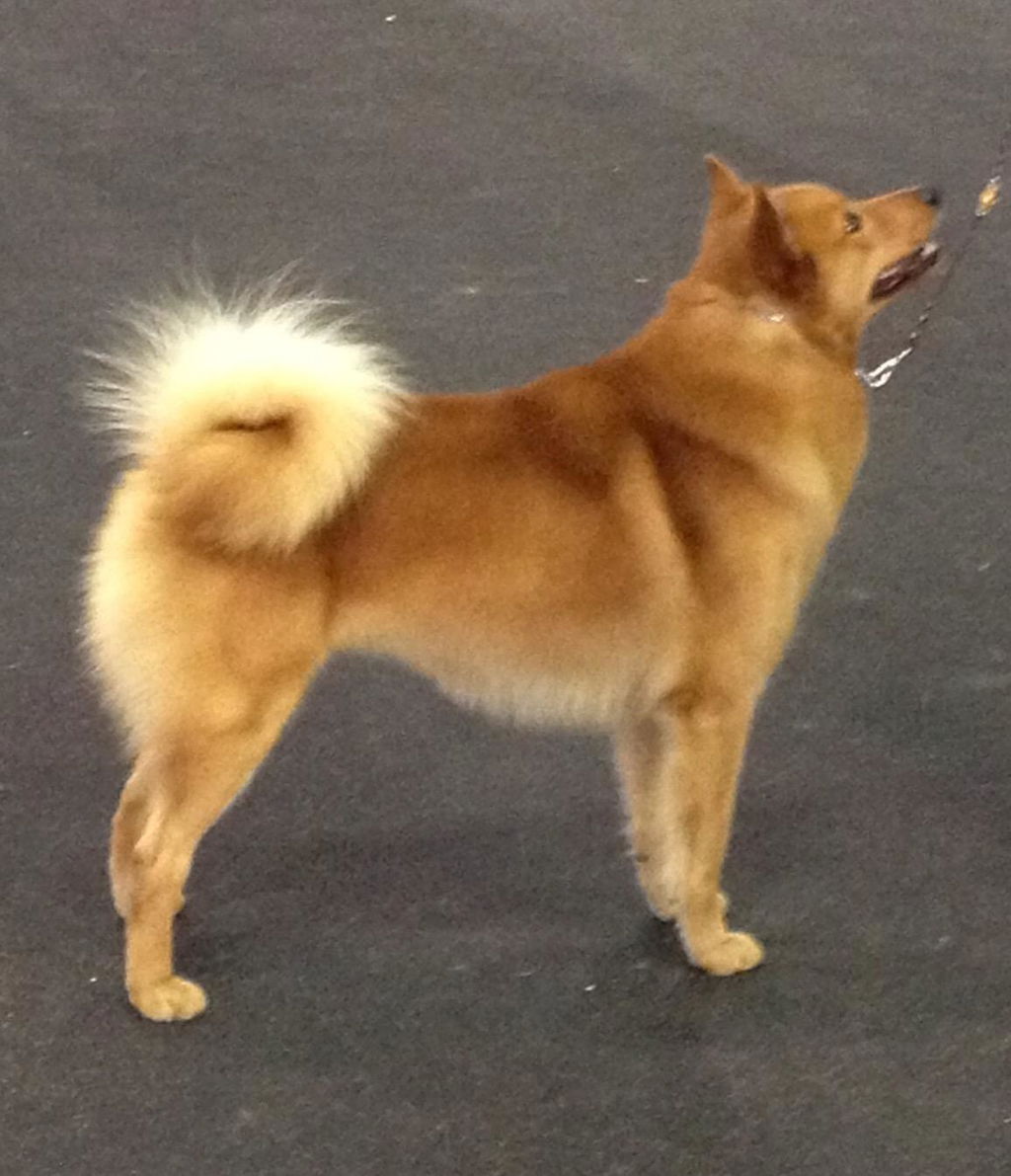
Tjis is our first time ordering this product. Used it today. My collie looks amazing