Grooming the Norwegian Lundehund

By Cindra Grooming Products — USA-Made Professional Grooming Essentials

The Norwegian Lundehund — sometimes called the "puffin dog" for the job it was originally bred to do, scaling Norway's coastal cliffs to retrieve puffins from narrow rock crevices — is one of the rarest breeds the AKC recognizes, with a global population estimated at only a few thousand dogs. The breed's coat is, by contrast, one of its more straightforward features: a weather-resistant double coat that needs routine brushing but no trimming, no special clip, and relatively little fuss outside of two annual shedding seasons.

COAT

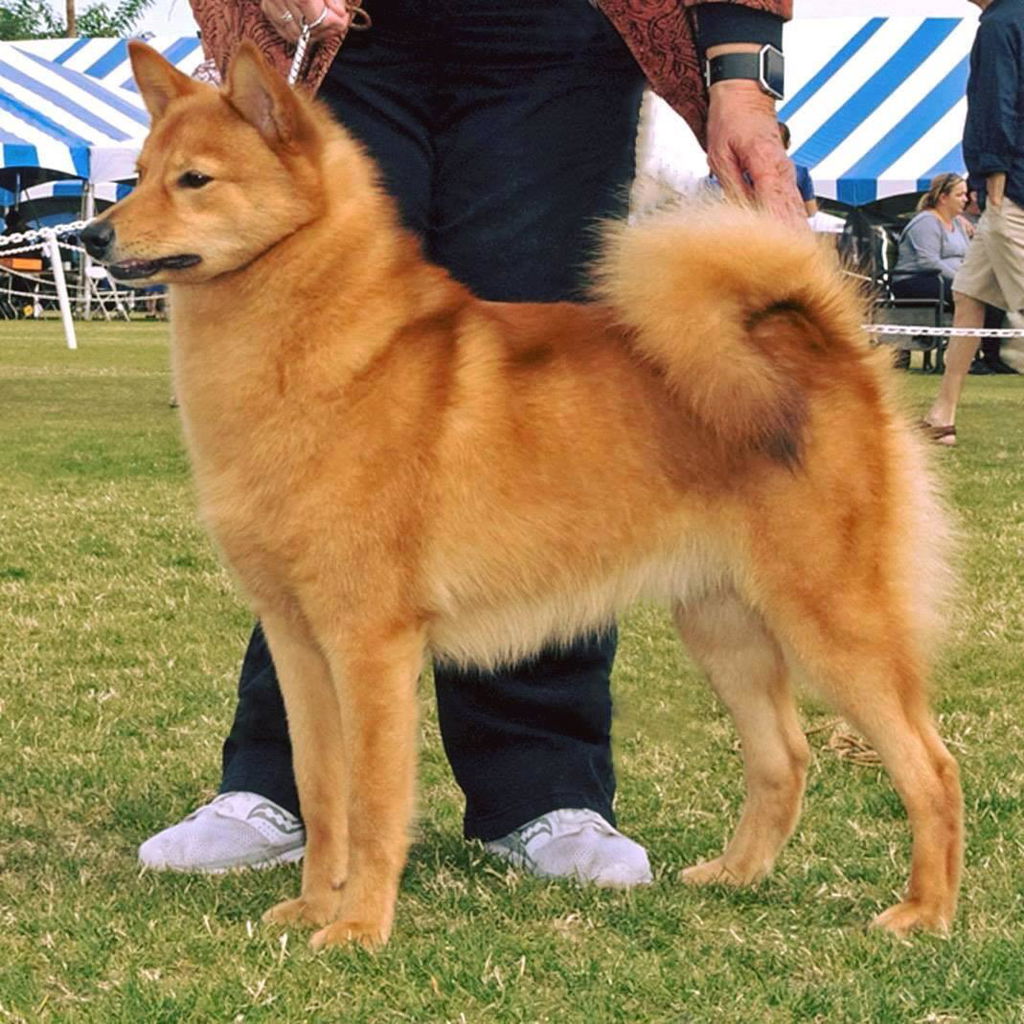
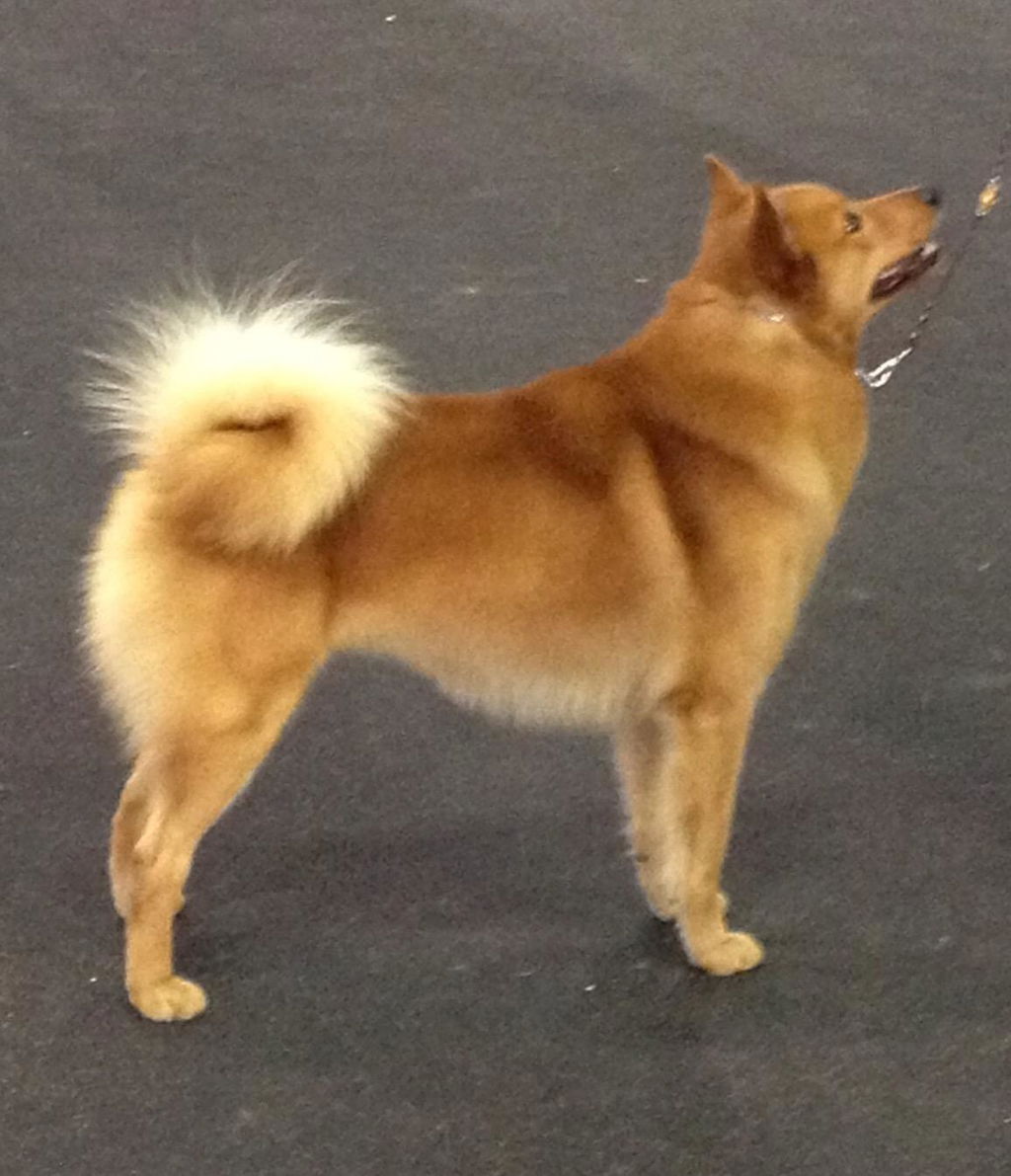
The AKC breed standard describes a dense, harsh outer coat over a soft, dense undercoat — a true Nordic double coat built for cold-weather endurance. The coat runs shorter on the head and front of the legs, and longer around the neck and on the back of the thighs, with males typically carrying a thicker neck ruff than females. Color ranges from fallow to reddish-brown to tan with black-tipped hairs, or white with red or dark markings; black hair tips tend to increase as the dog matures. Per the standard, the Lundehund is presented entirely naturally, with no trimming.

Unlike many double-coated spitz breeds, the Lundehund's coat is short to medium in length rather than long and profuse, which keeps day-to-day maintenance more modest even though the coat is doing real cold-weather work underneath.

CHARACTER

Lundehunds are playful, curious, and famously flexible — a legacy of the extreme joint mobility bred into the breed for navigating narrow cliff crevices. They tend to be reserved with strangers and benefit from early, patient socialization, but are typically affectionate and loyal within their own family. That same independent, problem-solving streak that made them effective puffin hunters can show up at the grooming table as a degree of selectiveness about handling, so consistency matters more here than with a more naturally biddable breed.

Recommended Cindra Grooming Products

A note on conditioning: like most weatherproof double coats, the Lundehund's coat relies on natural oils for water and cold resistance. Keep conditioner light and avoid heavy or frequent use, which can compromise that natural protection over time.

Common Coat Problems & Solutions

Problem Solution
Heavy loose undercoat during seasonal shed Switch to daily brushing with an undercoat rake or slicker brush through the shedding period. Maxi Care lightly misted in before brushing helps loosen dead undercoat for easier removal.
Dull coat or dry skin Use Moisturizing Shampoo at bath time, but keep bathing infrequent — this coat relies on natural oils for weatherproofing, and over-bathing works against that.
Dirty or muddy coat after outdoor activity Cleansing Shampoo for an occasional deeper clean, rinsed thoroughly so no residue is left sitting against the dense undercoat.
Minor tangling in neck ruff or thigh coat Light tangles in a coat this short are uncommon, but a slicker brush worked gently through the area usually resolves it without needing any product.

Hands On Grooming Guide

A firm bristle brush or slicker brush worked through the coat once or twice a week is the standard baseline for a Lundehund outside of shedding season. Because the coat is short to medium in length, it doesn't mat the way a longer-coated spitz breed's would, but brushing still matters for distributing natural skin oils and catching loose hair before it spreads around the house.

Bathing should stay infrequent — most owners go a month or two between baths, since the double coat is naturally good at repelling dirt and the skin underneath doesn't need much help staying healthy. When a bath is needed, a gentle shampoo and a complete rinse are all that's required; there's no specialized technique this coat demands beyond the basics.

During the spring and fall shed, expect to brush daily for a stretch while the undercoat blows. This is normal and necessary, not a sign anything is wrong with the coat.

Does the Norwegian Lundehund Shed?

Yes, with real seasonal shedding twice a year, typically in spring and fall, when the dense undercoat blows out in a noticeably heavier volume than the rest of the year. Outside of those windows, day-to-day shedding is moderate and manageable with routine brushing. Sources vary slightly on just how heavy the breed sheds overall, but the consistent thread across breed-club and veterinary sources is the same: light-to-moderate most of the year, genuinely heavy during the two seasonal blowouts.

A Note on Nails & Extra Toes

This isn't a coat-care topic, but it's worth knowing: the Lundehund is built with at least six fully developed toes on each foot, an adaptation that helped the breed grip rock while climbing for puffins. Those extra toes mean extra nails, including some dewclaws that may not wear down naturally the way a typical dog's nails do through normal activity. Routine nail checks should account for all the toes on this breed, not just the standard set, and any nail that isn't naturally wearing down needs regular trimming to stay comfortable.

Puppy vs Adult Coat Care

Life Stage Coat Characteristics Grooming Focus
Puppy Softer puppy coat, lighter coloring with black tipping still developing Build brushing tolerance early; coat darkens and coarsens with maturity
Adult Full harsh-outer, soft-undercoat double coat with mature black tipping Brushing 1–2 times weekly, daily during seasonal shed, infrequent bathing

Quick Grooming Schedule

Task Frequency
Brushing 1–2 times weekly; daily during seasonal shedding (spring and fall)
Bathing Every 6–8 weeks, or as needed
Nails (including extra toes/dewclaws) Every 1–2 weeks
Ears Every 2 weeks