Grooming the Pharaoh Hound

By Cindra Grooming Products — USA-Made Professional Grooming Essentials

The Pharaoh Hound is one of the rarer breeds in the AKC Hound Group, and also one of the most coat-simple. There is no undercoat, no feathering, and no specialized clip or hand-stripping routine to learn — just a short, fine, glossy coat that lies close to the body. The breed is perhaps best known outside grooming circles for "blushing": when a Pharaoh Hound gets excited or happy, the nose and ears flush a deeper rose color, a real and visible trait tied to the breed's lack of black pigment in the skin. None of that affects coat care, but it's worth knowing if you've never seen it happen.

COAT

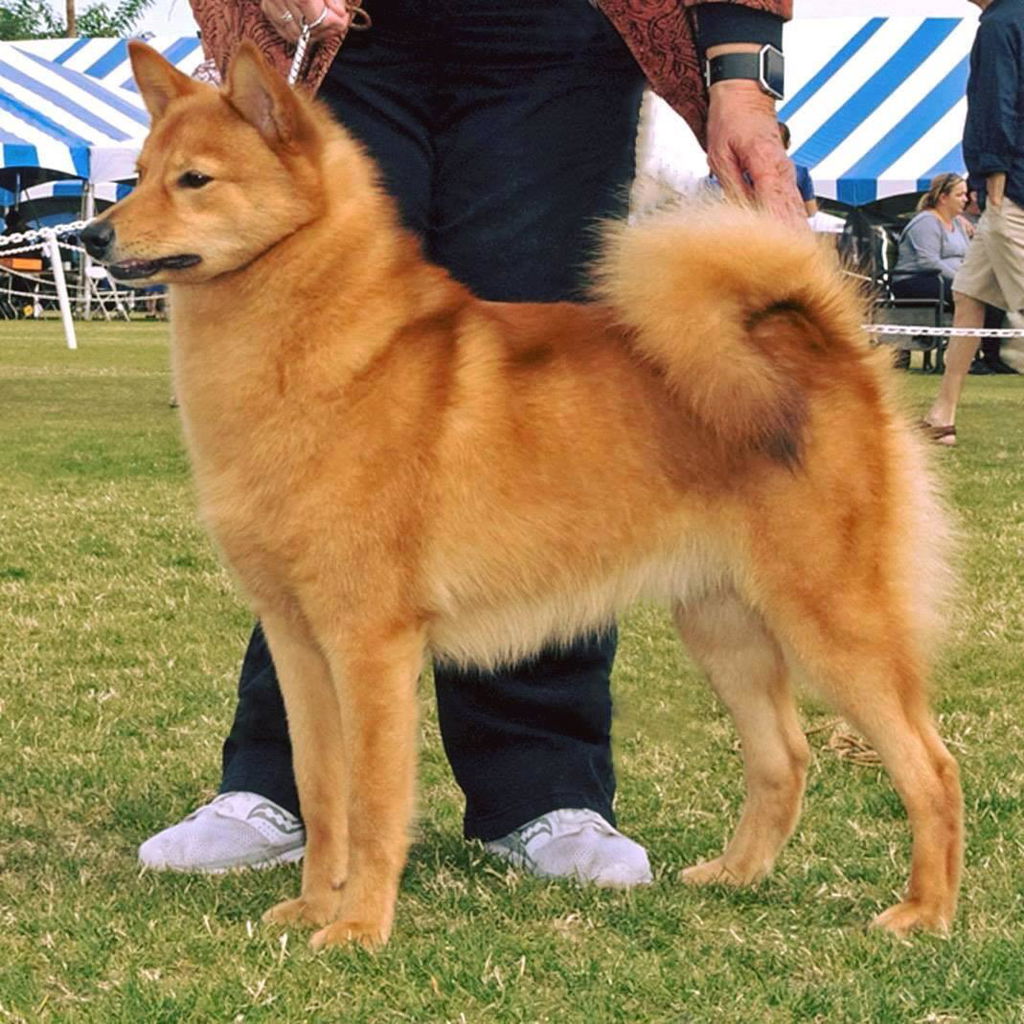
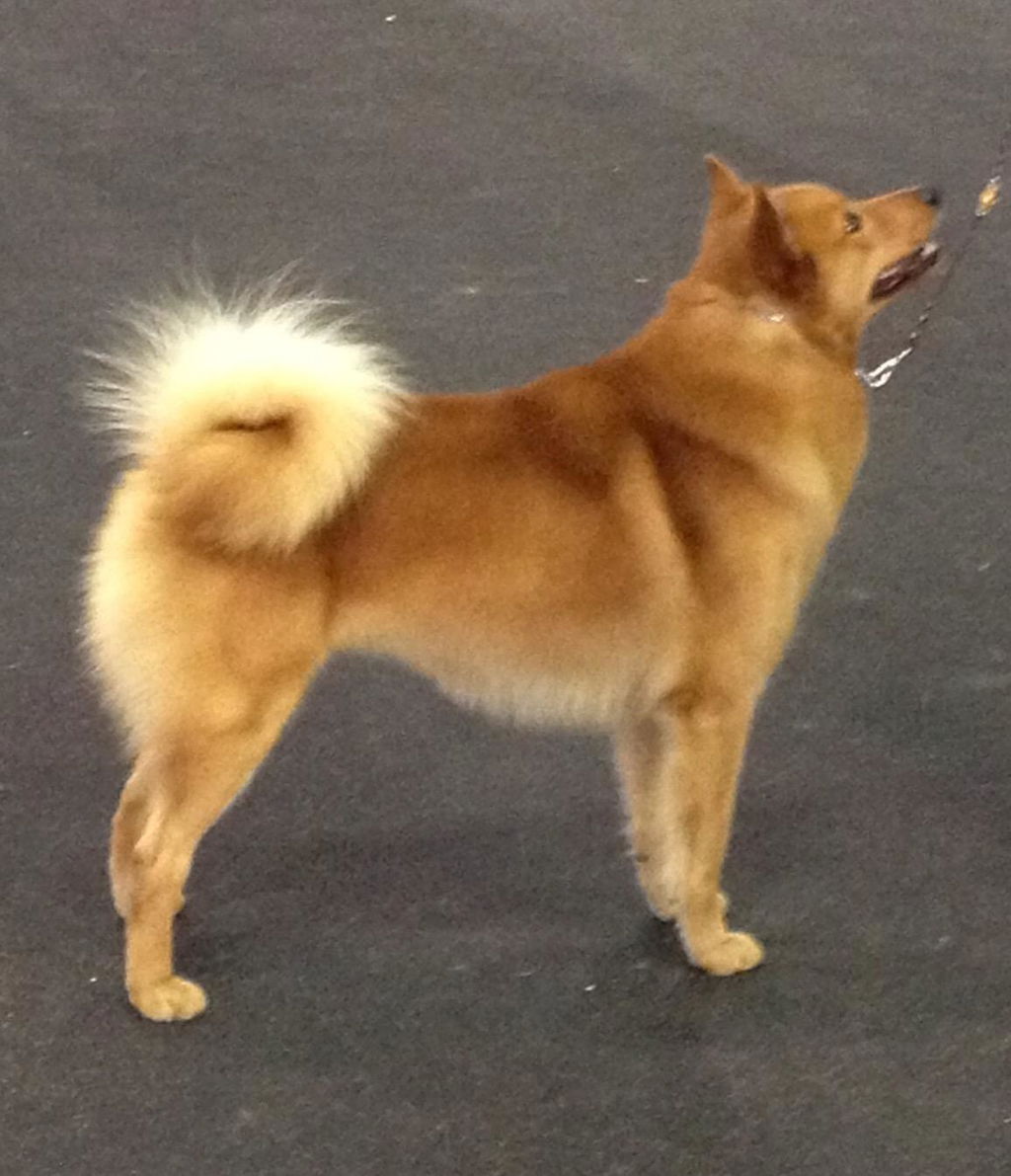
The AKC breed standard describes the Pharaoh Hound coat as short and glossy, ranging from fine and close to slightly harsh, with no feathering anywhere on the body. This is a single coat, not a double coat — there is no insulating undercoat beneath the topcoat, which matters for both grooming and climate tolerance (see Skin Sensitivity & Heat below). Coat color runs from tan through rich red-golden to deep chestnut, with specific white markings permitted on the chest, toes, and tail tip, and a slim white line allowed down the center of the face.

Because the coat is short, fine, and tight to the body, it is structurally about as simple as coat care gets. There is no risk of matting, no undercoat to release seasonally in large amounts, and no clip or trim required at any life stage.

CHARACTER

The AKC standard describes the temperament as intelligent, friendly, affectionate, and playful, alert and active, with a marked keenness for hunting by both sight and scent — the Pharaoh Hound is unusual among hounds for hunting with both senses rather than relying on one. At home, most Pharaoh Hounds are calm, sociable, and easy to handle on the grooming table, since there's little about the coat that requires the dog to tolerate anything uncomfortable or prolonged.

Recommended Cindra Grooming Products

  • Cindra Moisturizing Shampoo — supports skin comfort on a coat with no undercoat to buffer the skin
  • Cindra Cleansing Shampoo — useful after a Pharaoh Hound has been running through brush, given the breed's hunting drive and exposure to dirt and debris
  • Cindra Super Coat — light use only, to enhance natural shine on a short coat without adding weight

Common Coat Problems & Solutions

Problem Solution
Dry, dull coat Use Moisturizing Shampoo at bath time. Because there is no undercoat to retain moisture near the skin, a fine-coated breed like this can dry out faster than a double-coated dog after bathing or sun exposure.
Dirty or dusty coat after hunting or running through brush Use Cleansing Shampoo at the next bath to fully lift dirt and debris from the coat without leaving residue behind on such a fine, close-lying coat.
Dull or flat coat shine Super Coat diluted and applied lightly can enhance the coat's natural gloss without adding any heaviness to a coat this fine.
Coat feels dry after frequent bathing Pull back bathing frequency. A coat this fine has very little natural oil reserve to begin with, and frequent washing depletes it faster than on a heavier-coated breed.

Hands On Grooming Guide

Weekly brushing with a soft bristle brush or rubber hound mitt is enough to keep a Pharaoh Hound's coat clean and shiny under normal conditions. The mitt lifts loose hair and light debris without any need for a slicker brush or undercoat rake — tools built for a coat type this breed simply doesn't have.

Bathing should be infrequent by most standards: many owners go two to three months between baths, since the breed has little natural odor and the coat doesn't accumulate the kind of buildup a denser coat does. When a bath is needed, use a gentle, coat-safe shampoo and rinse thoroughly — with no undercoat to trap residue, rinsing is actually easier on this breed than almost any other, but it's still worth doing properly.

Because the coat is short and close to the body, it's easy to do a quick visual check of the coat's overall condition during routine brushing — simply part of keeping an eye on general coat health given how exposed the skin is under such a thin layer of hair.

Does the Pharaoh Hound Shed?

Yes, lightly and year-round, with a bit more noticeable shedding during seasonal coat changes. Because the coat is short and single-layered, shedding from a Pharaoh Hound is far less dramatic than from a double-coated breed — there's no undercoat blow to manage, just routine loose hair that a weekly brush-through handles easily. No breed is truly hypoallergenic, including this one, since allergens come from dander and saliva rather than hair length, but the low shedding volume does mean less hair accumulating around the house.

Skin Sensitivity & Heat

The single biggest practical consideration for this breed isn't really about grooming technique at all — it's about climate. A coat this thin offers very little insulation in either direction, which means Pharaoh Hounds run hot in summer and cold in winter more readily than most breeds their size. Active exercise should be scheduled for cooler parts of the day in hot weather, and a coat or wrap is genuinely useful in cold climates rather than an affectation. None of this changes how the coat is groomed, but it does change how the dog should be managed day to day.

Puppy vs Adult Coat Care

Life Stage Coat Characteristics Grooming Focus
Puppy Same short, fine coat structure as the adult, no distinct puppy coat phase Build comfort with handling and brushing early; otherwise no different from adult care
Adult Mature short, glossy single coat Weekly brushing, infrequent bathing, routine coat checks after active exercise

Quick Grooming Schedule

Task Frequency
Brushing Weekly
Bathing Every 8–12 weeks, or as needed
Coat check (after active exercise) As needed, ideally after each outing in brush or rough terrain
Nails Weekly
Ears Weekly
Teeth 2–3 times weekly