By Cindra Grooming Products – Professional Coat Care
The Shetland Sheepdog is one of the most coat-intensive breeds in the dog world. Known for its dramatic mane, dense undercoat, and flowing feathering, the Sheltie requires consistent grooming to maintain coat health, prevent matting, and preserve the breed’s natural outline.
Unlike sculpted breeds, the Sheltie coat is maintained primarily through brushing, bathing, and coat management rather than heavy trimming. When properly maintained, the coat frames the dog’s silhouette with a clean outline, full ruff, and balanced feathering.
Coat
The Shetland Sheepdog carries a dense double coat made up of a protective outer coat and soft insulating undercoat. The outer coat is straight and harsh, helping repel moisture and debris, while the undercoat provides insulation and fullness.
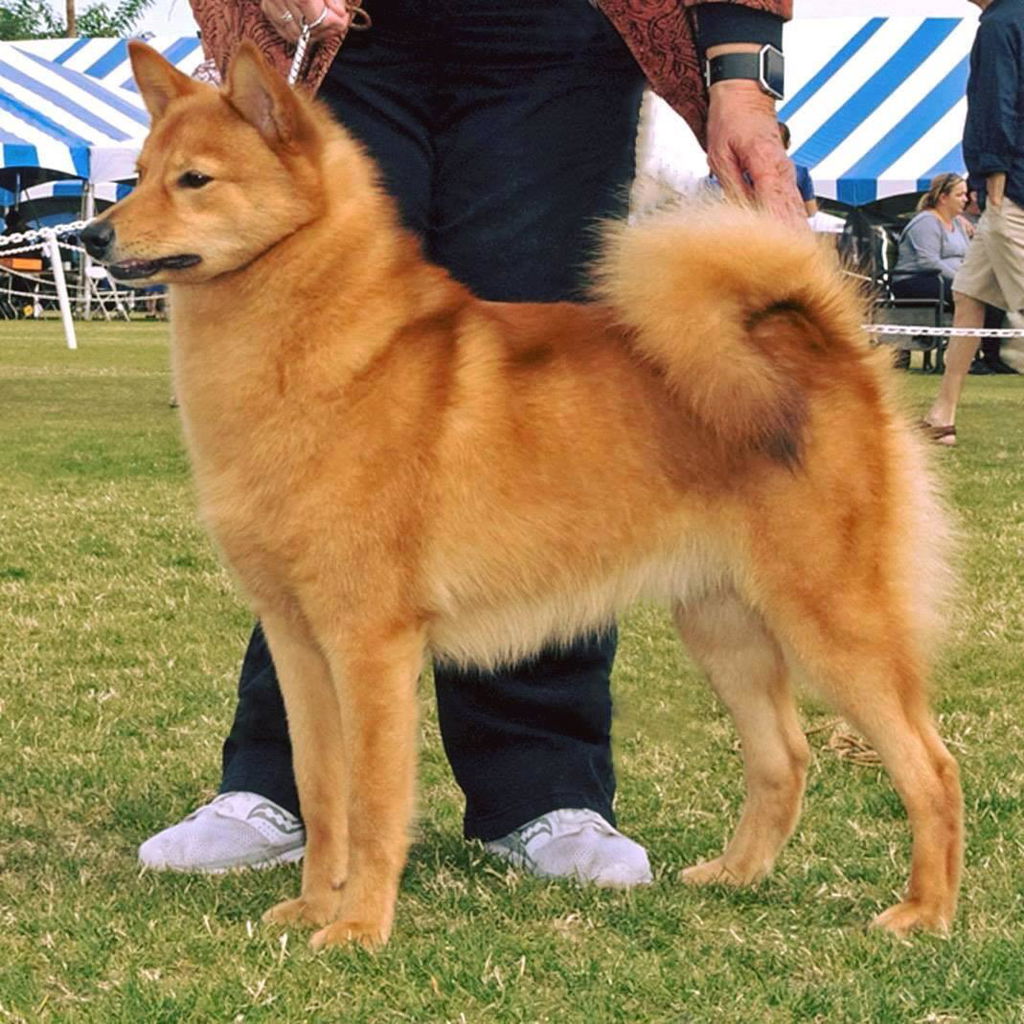
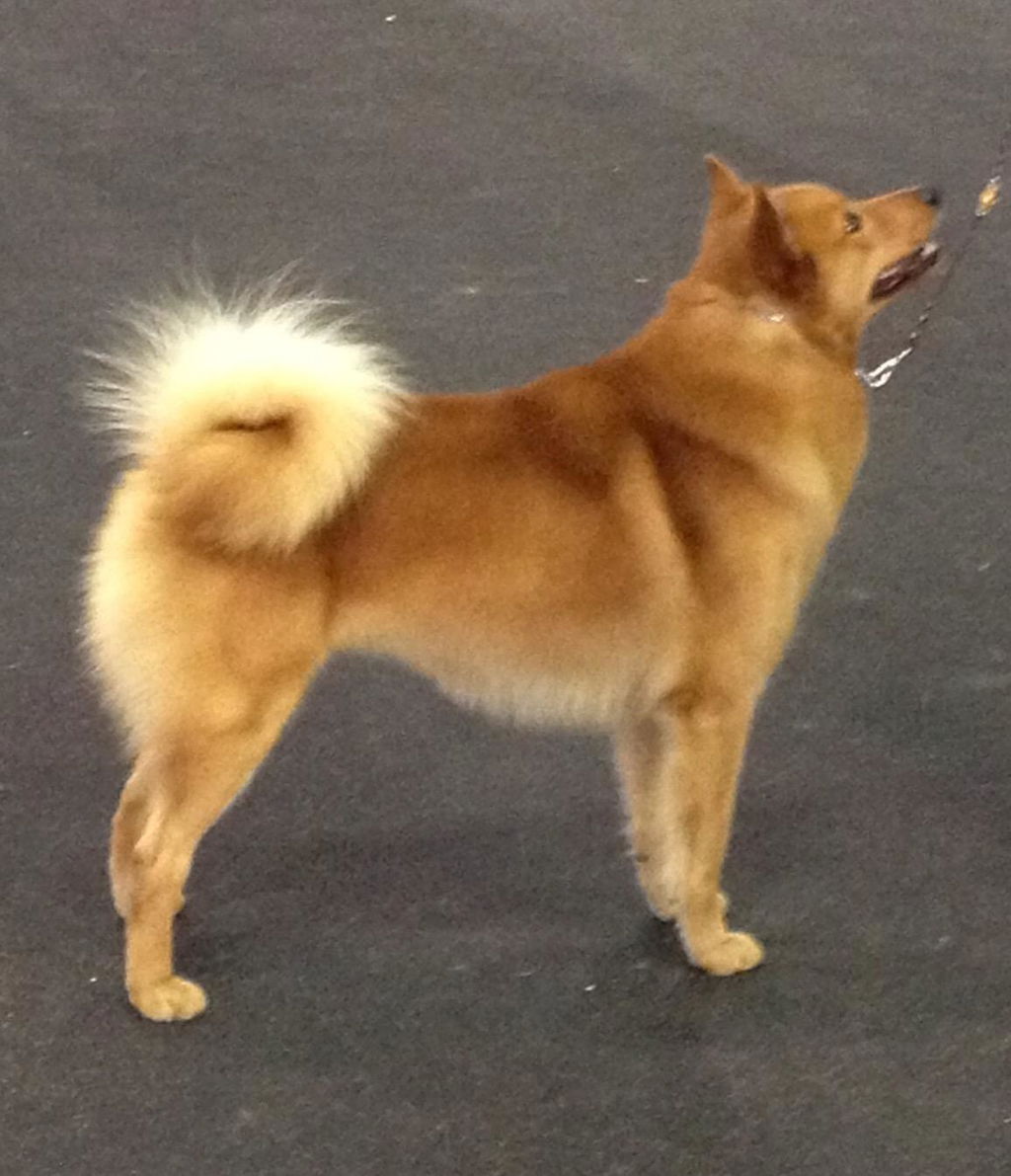
One of the breed’s defining features is the dramatic mane and ruff surrounding the neck and chest. Feathering appears along the backs of the legs, breeches, and tail, creating the flowing outline associated with the breed.
Because the coat is double layered, shaving or aggressive thinning should never be used as a grooming shortcut. The coat regulates temperature and protects the skin. Proper grooming preserves the natural outline and balance of the breed.
Character
Shetland Sheepdogs are intelligent, sensitive, and energetic herding dogs that thrive on routine and interaction. Their cooperative temperament often makes grooming relatively easy when introduced early and practiced consistently.
Because Shelties are observant and responsive, they typically adapt quickly to brushing and bathing routines. Regular grooming sessions become part of their normal lifestyle.
Hands-On Grooming
Hands-on grooming of the Shetland Sheepdog focuses on coat maintenance rather than trimming. The dense double coat must be brushed thoroughly to remove loose undercoat while protecting the longer guard hairs that create the breed’s smooth silhouette.
Line brushing is the most effective technique. The coat is parted down to the skin and brushed outward in layers. This allows the brush to remove loose undercoat without damaging the outer coat.
Always mist the coat lightly before brushing using Cindra Maxi Care. Dry brushing can cause coat breakage and static.
Friction areas such as behind the ears, under the elbows, and breeches should be checked regularly. These areas collect loose undercoat quickly.
Show Grooming
Preparing a Shetland Sheepdog for the show ring requires long-term coat management and consistent grooming habits. While the breed standard calls for a natural appearance, experienced handlers know that achieving the polished outline seen in the ring requires months of careful coat maintenance.
The Sheltie coat must remain balanced between outer coat and undercoat. Too much undercoat can make the dog appear bulky, while too little causes the coat to collapse and lose its shape. Maintaining this balance requires frequent brushing and thoughtful bathing routines.
The mane and ruff are among the most important visual features of the Sheltie. When drying after bathing, handlers often brush the mane upward and forward to encourage lift and structure.
If additional support is needed, a small amount of Sculpting Gel may be applied to the base of the coat to maintain ruff lift.
Ear presentation is another detail closely managed by handlers. The breed standard calls for ears that tip forward slightly. Groomers tidy stray hairs around the ear base to maintain a clean outline without over-trimming.
Feet trimming is one of the few areas where trimming is common. Hair between the pads is removed and the outer edges of the feet are lightly rounded to create a neat appearance.
During seasonal coat blow periods grooming frequency increases. Regular bathing and brushing help remove loose undercoat and encourage healthy coat regrowth.
Before entering the ring handlers typically perform final brushing and may lightly mist the coat with Texturizing Mist or Super Coat to support coat lift without stiffness.
Successful show grooming is not about sculpting the dog. Instead, it is about maintaining coat health and allowing the natural beauty of the breed to shine through.