Grooming the Lancashire Heeler

By Cindra Grooming Products — USA-Made Professional Grooming Essentials

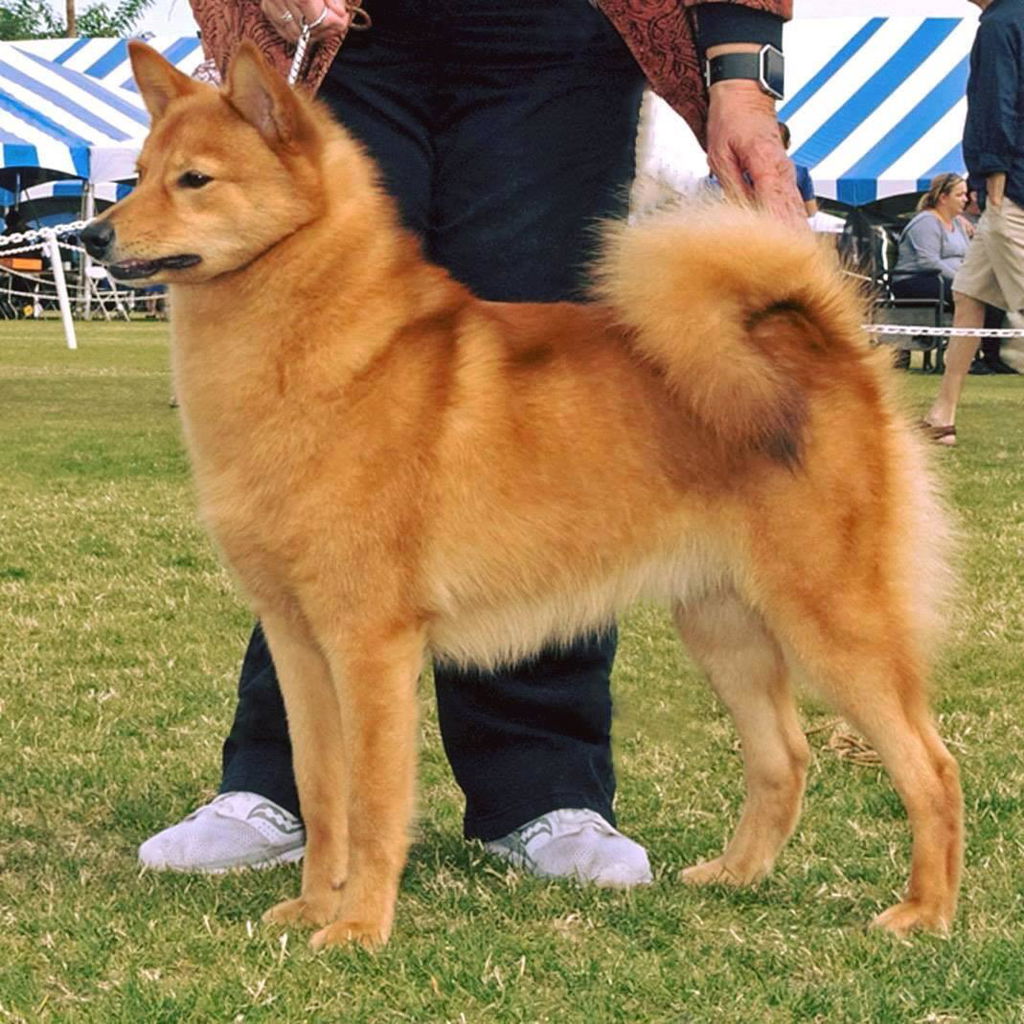
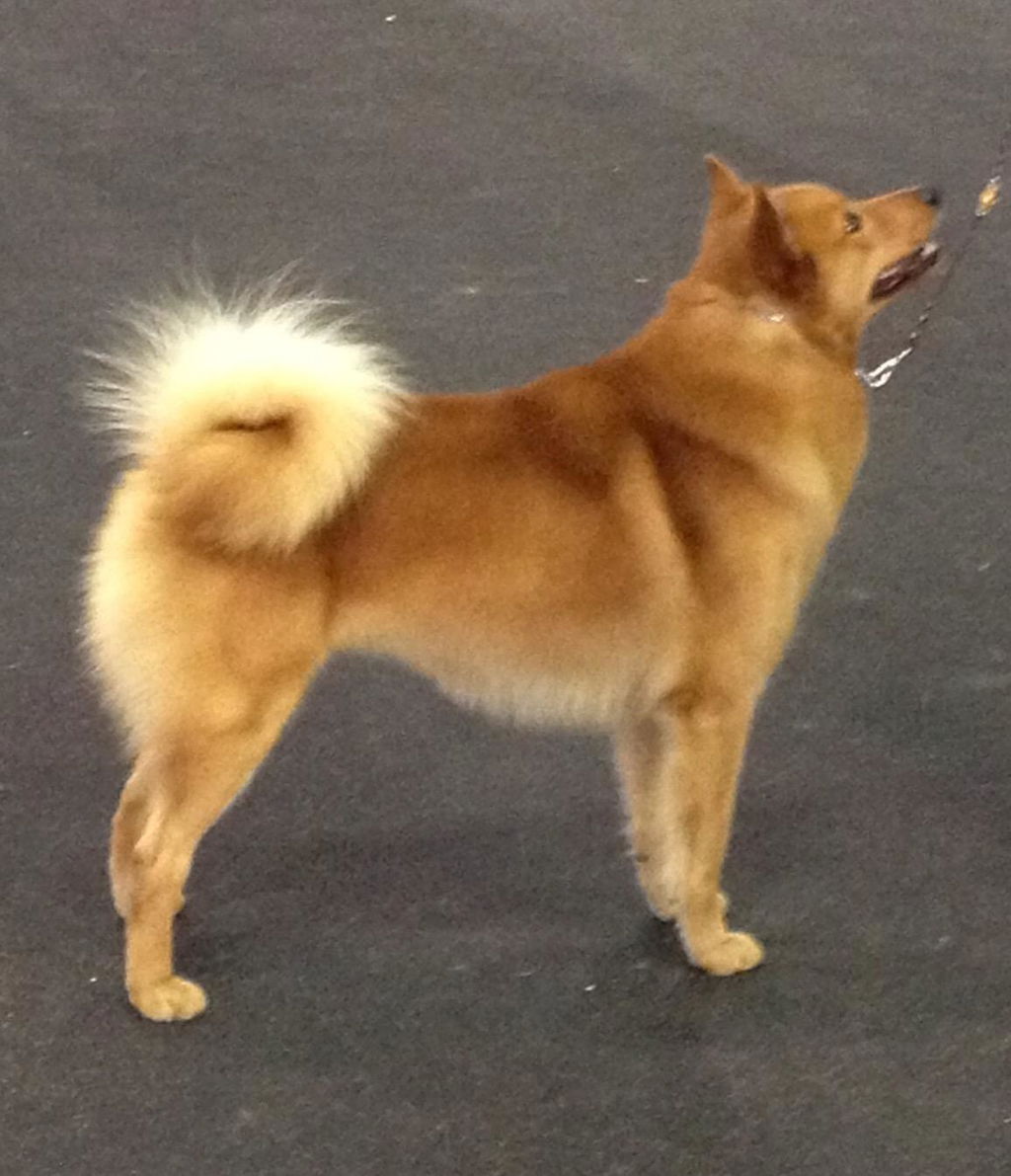
The Lancashire Heeler is a small but rugged working breed originally developed for driving cattle and controlling vermin. Despite their size, they carry a true working double coat designed to protect them from weather, debris, and physical work. Proper grooming focuses on maintaining coat balance, healthy skin, and correct texture — never fluff or cosmetic finish.

COAT

The Lancashire Heeler has a short, dense double coat. The outer coat is fine but firm and lies close to the body, while the undercoat is soft and insulating. The coat should appear smooth, weather-resistant, and natural. Excessive softening, heavy conditioning, or styling products are incorrect for the breed. Seasonal shedding occurs, but the coat is otherwise low-maintenance when groomed correctly.

CHARACTER

Lancashire Heelers are alert, intelligent, and energetic. They tend to bond closely with their people and benefit from early, consistent exposure to grooming routines. While generally cooperative, they can be opinionated — short, calm grooming sessions work best, especially for nail trimming and drying.

Recommended Cindra Grooming Products

Common Coat Problems & Solutions

Problem Solution
Greasy or flat coat after bathing Use Cleansing Shampoo as a reset, then follow with Texturizing Shampoo to restore balance.
Dry or flaky skin Bathe with Moisturizing Shampoo and extend time between baths.
Excess shedding Increase brushing frequency and use Maxi Care lightly during brushing sessions.
Dull coat appearance Ensure thorough rinsing and avoid over-conditioning. Texture-support shampoos maintain natural shine.

Bathing and Drying

Lancashire Heelers are typically bathed every four to six weeks, or as needed after heavy dirt exposure. Begin with a thorough pre-rinse to ensure shampoo reaches the skin and undercoat. Use moisturizing formulas for routine skin support, texturizing formulas to maintain coat firmness, and cleansing shampoo occasionally for buildup or odor. Always rinse thoroughly — residue trapped in the undercoat can cause itching and dullness.

Even short-coated double-coated breeds require proper drying: towel dry first, use low to moderate airflow to dry to the skin, and brush lightly during drying to remove loose undercoat.

Seasonal Shedding

Lancashire Heelers shed year-round, with heavier shedding in spring and fall. During these periods, increase brushing frequency to remove loose undercoat and keep skin comfortable.

Puppy vs Adult Coat Care

Life Stage Coat Characteristics Grooming Focus
Puppy Softer coat, minimal undercoat Short sessions, gentle tools, positive grooming exposure
Adult Short, dense double coat Consistent brushing, structured bathing, full drying

Quick Grooming Schedule

Task Frequency
Brushing 1–2 times weekly
Bathing Every 4–6 weeks
Drying After every bath
Nail trimming Weekly
Ear checks Weekly