By Tasha Mesina, Cindra Grooming Products
Soft does not always mean healthy.
In the grooming world, many products are designed to make the coat feel silky after a single bath. The coat slides through your fingers, brushes easily, and reflects light. For many owners this feels like success.
But excessive softness can actually be a sign that the coat's natural structure has been altered.
Understanding the difference between healthy conditioning and over-softening is an important part of protecting coat integrity, especially in breeds where texture and resilience matter.
What I Mean by "Over-Softening"
Over-softening happens when shampoos or conditioners leave heavy deposits on the hair shaft. Those deposits usually come from strong emollients, silicones, or film-forming ingredients built to create instant slip.
The coat may feel extremely smooth after drying. It may brush easily and look glossy. But that softness often comes from a coating that sits on top of the hair rather than true moisture balance within the coat, and over time that coating changes how the coat actually behaves.
Why Many Formulas Focus on Immediate Softness
Most mass-market dog shampoos are designed for instant results, because owners tend to judge grooming products by touch. A coat that feels silky and smells strongly fragranced gives the impression of cleanliness and luxury — immediate softness sells, and long-term coat performance is a lot harder for most owners to evaluate. That's why so many formulas prioritize heavy conditioning effects over structural balance.
How Over-Softening Affects Double Coats
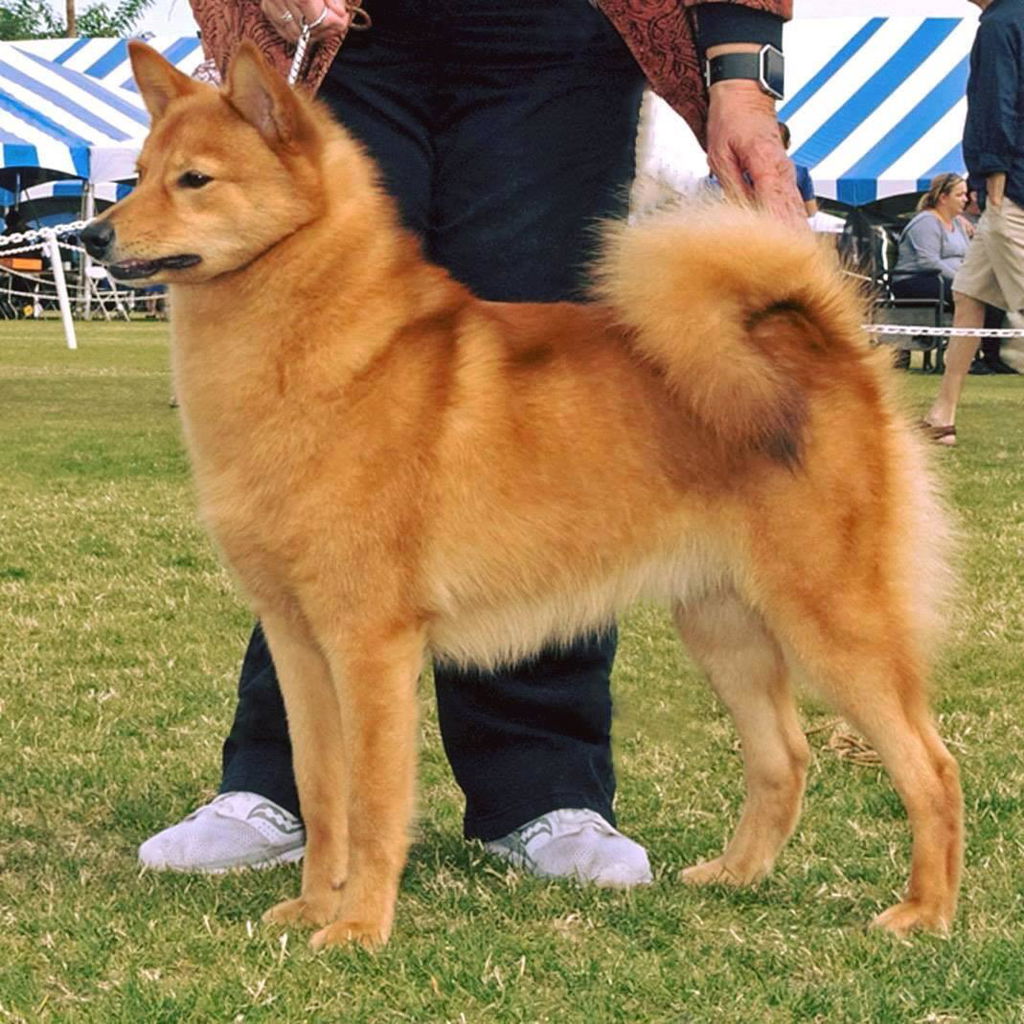
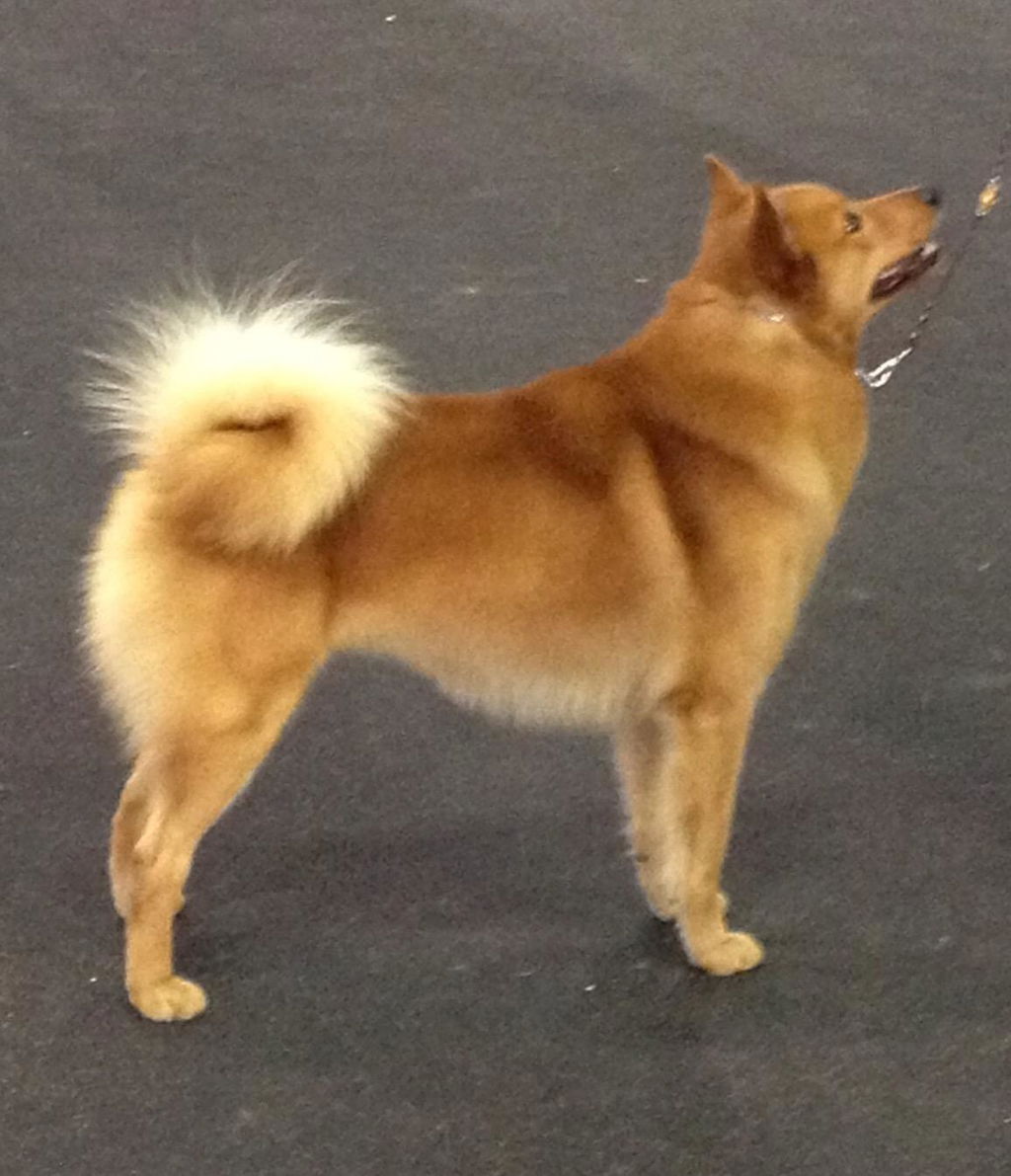
Double-coated breeds rely on firm guard hairs and supportive undercoat lift to maintain their natural outline and insulation. When heavy conditioners coat the shaft repeatedly, guard hairs can lose their natural resilience.
Common changes I see:
- Coats lying flat instead of holding shape
- Longer drying times after bathing
- Undercoat separating unevenly during shedding
- A cottony texture replacing the natural crisp feel
The coat may still feel soft, but it stops performing the way it was designed to.
For a deeper explanation of coat behavior in these breeds, see Managing Seasonal Shedding in Dogs.
Why the Coat Looks Beautiful After the First Bath
Film-forming ingredients smooth the outer cuticle of the hair temporarily. That smoothing effect increases light reflection and reduces friction between individual hairs, so the coat can appear fuller, shinier, and easier to manage right away.
The challenge shows up with repeated use, when layered residue slowly builds along the hair shaft and near the skin. That buildup can weigh the coat down and change its natural behavior.
The Difference Between Residue and Balanced Conditioning
Balanced conditioning supports the coat's natural moisture levels without leaving heavy buildup behind.
A healthy coat typically feels:
- Clean but not slick
- Light at the skin level
- Resilient with natural lift
- Easy to dry and brush
Conditioning should support coat function, not replace it.
If you are unsure whether your dog even needs conditioner regularly, you may find this guide helpful:
Do Dogs Need Conditioner?
When Softness Is Actually Appropriate
Not every coat benefits from texture. Drop coats and companion trims often benefit from controlled conditioning that increases slip and reduces breakage — in those cases softness is intentional. The key is control: softness should be applied based on coat type, not automatically created by every bath.
How to Prevent Over-Softening
Simple grooming habits help preserve natural coat structure.
- Dilute concentrated shampoos properly
- Rinse longer than you think is necessary
- Match conditioner weight to coat type
- Avoid stacking multiple heavy styling products
- Use cleansing shampoos periodically to remove buildup
If your dog's coat feels heavy or coated, a clarifying wash can help restore balance.
The Coat-Safe Grooming Approach
Professional grooming focuses on coat behavior rather than simply how the coat feels after a bath.
A coat-safe routine prioritizes:
- skin balance
- natural coat structure
- proper drying and brushing techniques
- products that support the coat rather than coating it
If you are learning coat-safe grooming for the first time, these resources may help:
Signs Your Shampoo May Be Over-Softening the Coat
- The coat feels slick even when completely dry
- Drying takes longer than usual
- Volume disappears between baths
- The coat feels coated or heavy near the skin
True coat health is measured by how the coat behaves over time, not just how it feels immediately after a bath.