By Tasha Mesina, Cindra Grooming Products
The smallest of the retriever breeds, the Nova Scotia Duck Tolling Retriever is athletic, bright, and designed for real water work. This profile covers temperament, daily care, grooming, and how to find a breeder who prioritizes stability, health, and true breed function.

At a Glance
Coat: medium-length, water-repellent double coat. Energy level: high. Shedding: moderate, heavier seasonally. Grooming difficulty: moderate — coat blow plus ear and foot tidy. Best fit: active homes, dog sport families, hunters, and people who enjoy training. Temperament: affectionate, intelligent, eager, busy-minded.
History
The Nova Scotia Duck Tolling Retriever was developed in Nova Scotia as a purpose-built hunting partner. The breed's original job was to “toll,” meaning the dog's playful movement along the shoreline draws curious waterfowl closer, then the dog retrieves after the shot.
That mix of brain, speed, and intense retrieving desire is not an accident. Tollers were selected for quickness, eagerness to work, and an efficient, water-adapted build that could handle cold conditions and repeated retrieves. This tolling description comes straight from the breed's AKC standard and reflects the function behind the “busy” temperament people love, and sometimes underestimate.
Personality and Home Fit
Tollers are affectionate and deeply interactive with their people, but they are not decorative couch dogs. They are sporting retrievers with a working brain, high athletic drive, and a real need for daily outlets. When a Toller looks “extra,” it is usually under-stimulated.
What owners notice fast: they learn quickly and notice everything; they tend to be enthusiastic retrievers and tireless players; many Tollers have a unique high-pitched “scream” when excited.
Best matches: active homes that enjoy structured routines; people who like training and games, not just exercise; families who want a dog that can do sport, field work, and real life.
Exercise and Enrichment
A well-balanced Toller typically needs both physical output and mental work. Long walks help, but the breed usually thrives when it has a job: retrieves, scent games, obedience foundations, and controlled play.
Daily baseline ideas: two short training sessions, 10 to 15 minutes; structured retrieves with rules like a release cue and clean delivery; scent work games, hidden toy searches, or food puzzles; swimming and safe off-leash running when appropriate.
If your Toller is getting louder, busier, or more frantic, the fix is usually structure, not more random exercise.
Grooming a Nova Scotia Duck Tolling Retriever
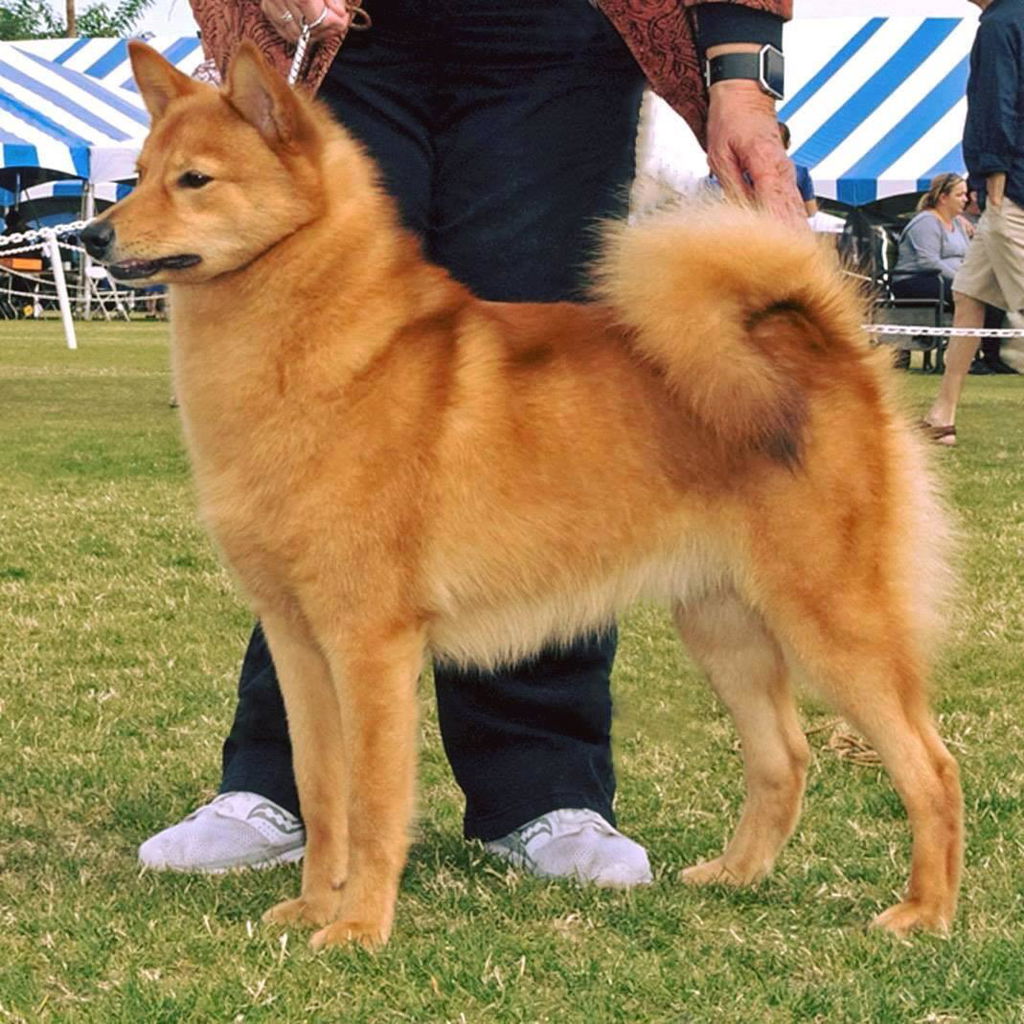
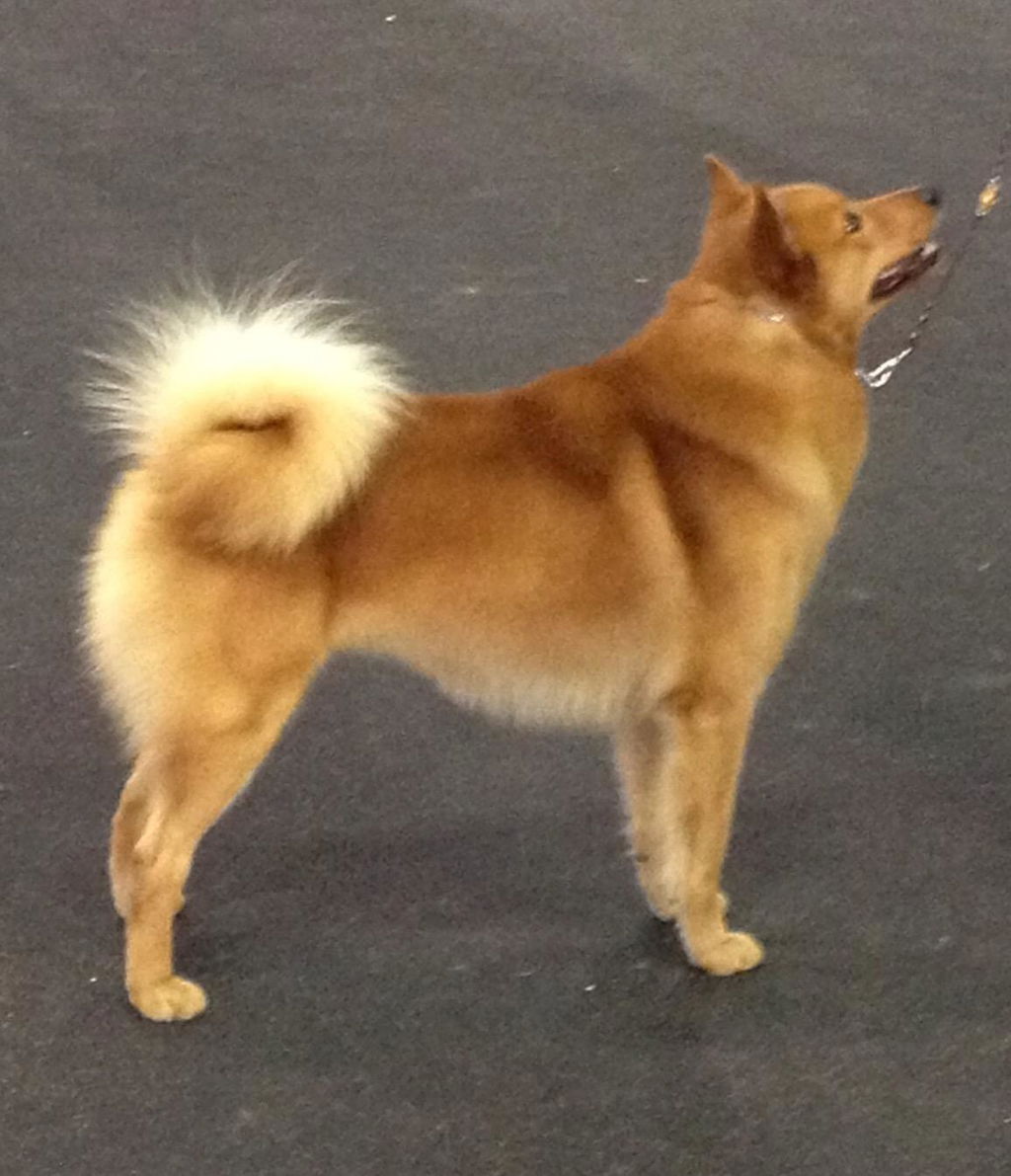
The Toller coat is functional: a medium-length, water-repellent double coat designed to protect skin and shed water. Your grooming routine should protect that function. Over-softening can make the coat trap debris, hold odor, and “pack” during shedding seasons.
Brushing schedule: normal weeks need 1 to 2 thorough brush-outs plus a quick comb-through of friction zones; during seasonal coat blow, quick daily brush-outs plus one deeper undercoat session weekly.
Bathing frequency: most pet homes do well every 4 to 6 weeks; hunting, sport, and water-heavy lifestyles can go every 3 to 5 weeks, as long as you rinse and dry correctly.
Breed-specific tidy that matters: keep hair between pads and around webbing controlled so mud, burrs, and ice don't pack in. The finer hair around and under the ears tangles easily, so comb it consistently. Keep the tail natural and full — avoid sculpting it into a different retriever outline.
For a full breed-specific grooming walkthrough, see Grooming the Nova Scotia Duck Tolling Retriever. For shedding seasons: Managing Seasonal Shedding in Dogs. For coat-type selection: How to Choose Dog Shampoo by Coat Type.
Toller coat rule I use in real life: if your Toller feels greasy or smells “wet dog” after a bath, the issue is usually not the shampoo — it's rinse time and drying all the way to the skin. The undercoat holds water, and if it stays damp, odor and coat packing show up fast.
Cindra Recommendations for the Toller Coat
This coat does best with clean structure, thorough rinse, and targeted conditioning instead of heavy softness. Use moisture where it's earned, and keep the body coat functional.
Maintenance bath: Moisturizing Dog Shampoo for routine cleansing and coat balance, with Moisture Plus Conditioner lightly on feathering and ends when needed.
Reset bath (buildup, lake days, coat feels heavy): Deep Cleansing Shampoo, then follow with targeted conditioner.
Show or finished presentation: Texturizing Shampoo to keep the coat crisp and correct without collapsing it, and Super Coat for lift and a clean finish on presentation days.
Between baths: Maxi Care sparingly in friction zones and feathering, and Texturizing Mist for separation and coat behavior when the coat wants to go flat.
If a Toller's coat starts feeling limp, sticky, or oddly soft, reduce leave-in use, keep conditioner off the body coat, and extend your rinse time.
Training Notes
Tollers are smart, athletic, and often sensitive in a very specific way: they can be both stubborn and soft. Short sessions, clear reinforcement, and consistent rules usually beat pressure or long drilling.
Start early with social exposure and calm recovery skills. Keep sessions short and end while the dog still wants more. Teach an off-switch on purpose: place, settle, crate comfort. Use positive reinforcement and “learn to earn” games.
If the famous Toller scream shows up, treat it like any other arousal behavior: build impulse control and reinforce quiet choices, then give the dog a real job.
Health and Longevity
Keep health guidance conservative. Choose breeders who can show stable temperament, appropriate health testing, and adult dogs that live well in real homes, not just dogs that can perform. Ask about health testing on both parents and request documentation, maintain lean body condition and build conditioning gradually, and protect feet and coat in harsh environments like ice, burrs, and heavy mud.
How to Find a Breeder
With Tollers, the breeder matters because temperament and work ethic are a big part of what makes the breed special. Look for people who can talk clearly about their goals, their lines, and what daily life looks like with their dogs.
Start with the right sources: the AKC breed community plus regional Toller clubs and events where you can meet adult dogs; hunt tests, obedience, agility, dock diving, and conformation shows where Tollers are evaluated in real settings; and rescue resources when you're open to an adult dog and want support with matching and placement.
Questions that get real answers: What health testing is done on both parents, and can I see proof? How do your dogs handle travel, new environments, and recovery after excitement? How do you match puppies to homes, and what traits do you see most often? What early puppy work do you do before puppies go home?
Red flags that should slow you down: no documentation for health testing, or vague claims that it's unnecessary; pressure tactics, no written contract, or no return policy; a breeder who can't describe the parents clearly or can't show adult examples; over-promising that the breed is “easy” for every home.
Best real-world tip: meet at least one adult dog from the breeder's program that lives as a normal house dog. You're looking for stable nerves, ability to settle, and a real off-switch. Working intensity is great, but living ability matters just as much.
The Cindra Touch
A good Toller coat feels resilient and functional, not cottony or over-softened. When grooming is correct, the coat dries clean, sheds efficiently, and stays comfortable through water work and seasonal change.
In my grooming world, coat health comes from the basics done well: proper dilution, thorough rinse, and drying to the skin. Products should support that process, not replace it.
Frequently Asked Questions
Do Nova Scotia Duck Tolling Retrievers shed a lot? They're moderate shedders most of the year and typically shed heavier during seasonal coat changes. Consistent brushing and a fully rinsed, fully dried bath during coat blow helps the undercoat release cleanly. For seasonal routines, see Managing Seasonal Shedding in Dogs.
How often should I bathe a Toller? Most pet Tollers do well with baths every 4 to 6 weeks, adjusted for lifestyle. If your dog swims often or runs in heavy mud, bathing can be more frequent as long as you rinse thoroughly and dry to the skin.
Why does my Toller smell again right after a bath? In a double coat, this is often incomplete rinse, incomplete drying, or both. Undercoat holds water and residue. Extend rinse time and dry all the way to the skin, especially around chest, neck, and rear.
Should I trim my Toller's tail or sculpt the outline? Tollers are meant to look athletic and natural. Keep feet, pads, and sanitary areas tidy, but avoid sculpting the tail into a different retriever outline. A full, natural tail reads correct for the breed.
What is the “Toller scream”? Many Tollers have a unique, high-pitched vocalization that shows up when they're excited or anticipating work. It can be trained and managed through impulse control work and a clear routine.
Breed facts are informed by AKC's breed page and breed standard for the Nova Scotia Duck Tolling Retriever, plus NSDTRC (USA) grooming guidance: American Kennel Club.

Written by Tasha Mesina
Owner of Cindra Grooming Products, with over two decades of hands-on experience in dog grooming, breeding, and working dogs.