Collection: Best Dog Shampoo & Conditioner for Dry Skin

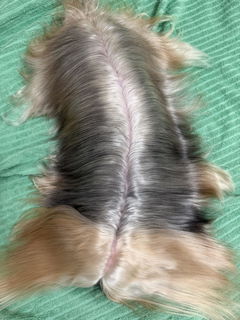
Run your hand down your dog's back against the grain, part the coat, and look at the skin underneath. If you see flakes, redness, or skin that looks tight and dull, your dog has dry skin. If your dog is also scratching, chewing at the base of the tail, or rubbing along the furniture, the discomfort is already there.

I have spent more than twenty-five years grooming dogs, most of them double-coated and working breeds, and dry, irritated skin is one of the most common problems that walks onto my table. It is also one of the most fixable. The best dog shampoo for dry skin is not a single miracle bottle. It is a gentle, moisturizing shampoo used as part of a routine that cleans without stripping, puts moisture back, and maintains hydration between baths. The products below are the ones I reach for, and the Dry & Itchy Skin Relief Kit brings the three core steps together in one purchase.

Is it dry skin — or something else?

Not every itch is dry skin, and the right product depends on what you're actually seeing. Quick gut-check:

  • Flaky, dull, tight-looking skin with dandruff-like specks — classic dry skin. This is what the products here are built for.
  • Greasy coat, oily flakes, a "doggy" smell — that's buildup, not dryness. Start with a Cleansing Shampoo instead, then moisturize.
  • Red patches, raw spots, hair loss, or constant chewing in one area — that points to allergies, hot spots, or infection. That's a vet visit, not a shampoo change.

Want the full breakdown of causes? Read Why Dogs Get Dry Skin: Causes & What Helps.

Dry skin by coat type

After 25+ years at the table, I can tell you a Husky and a Frenchie don't get dry skin the same way — and they don't fix it the same way either.

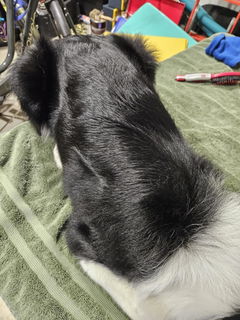
  • Double-coated breeds (Goldens, Shepherds, Huskies): dryness often hides under the undercoat. Line-brush before bathing so product actually reaches the skin, and lean on the Maxi Care Leave-In for the dense coat.
  • Short-coated breeds (Frenchies, Labs, Boxers): the skin is exposed and shows dryness fast. Focus on a gentle, moisturizing wash and don't over-bathe.
  • Curly & drop coats (Poodles, Doodles): prone to tightness and flaking at the skin under all that coat. Conditioner is non-negotiable here — the Moisture Plus Conditioner keeps skin supple.

Seasonal dry skin

The most common dry-skin call I get spikes every winter. Cold air holds less moisture, indoor heating dries it out further, and coats that were fine in summer suddenly flake. If your dog only gets itchy in the colder months, you don't need a medicated product — you need to bathe a little less often, switch to a moisturizing routine, and add a leave-in between baths. The Dry & Itchy Skin Relief Kit is built for exactly this seasonal swing.

Why a moisturizing shampoo works when others don't

Most shampoos clean by stripping — they pull oil off the coat, which is fine for a healthy dog but a disaster for one that's already dry. A moisturizing formula cleans while replacing lost moisture and supporting the skin barrier, so you're not trading a dirty coat for an itchy one. That's the whole design of this routine: clean gently, put moisture back, and hold it there between baths.

Frequently asked questions

Why is my dog so itchy after baths?

Usually the shampoo stripped the coat's natural oils, or product wasn't fully rinsed out. A moisturizing formula cleans without drying — and a thorough rinse makes a real difference.

How often should I bathe a dog with dry skin?

Every 1–2 weeks at most. Washing more often strips the coat and drives more itching, not less.

Should I use the shampoo alone or the full kit?

The kit pairs the wash and conditioner so the routine stays consistent. The shampoo alone is fine for mild, occasional dryness.

Will this help flaking or dandruff?

It helps dryness-related flaking. Persistent, greasy, or worsening dandruff points to something else and is worth a vet visit.

Are these formulas safe for puppies?

Yes — they're gentle and non-medicated, suitable for most healthy puppies. For very young pups or any diagnosed condition, check with your vet first.